
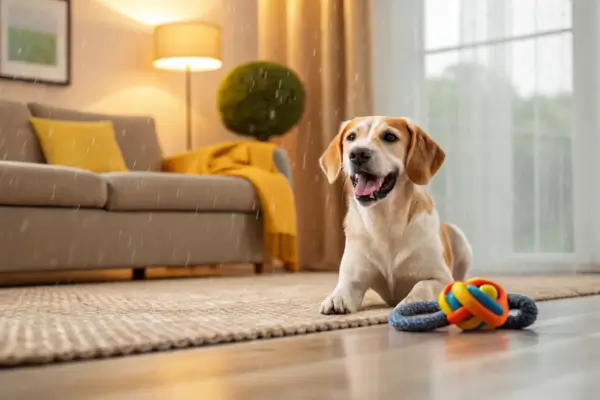
Best puzzle toys for dogs are one of the most effective ways to keep your dog mentally stimulated, reduce boredom, and prevent destructive behavior at home. While many dog owners focus on physical exercise like walks and playtime, mental stimulation is just as important for your dog’s overall health and happiness.
Dogs are naturally curious problem-solvers. Without enough mental challenges, they can become bored, anxious, or even destructive. That’s where puzzle toys come in — they turn playtime into a brain workout.
In this guide, you’ll learn why puzzle toys matter, how they benefit your dog, and how to choose the right one based on your dog’s personality, age, and skill level.
Why Mental Stimulation Is Essential for Dogs
Mental exercise is often overlooked, but it plays a crucial role in your dog’s daily life. Just like humans, dogs need to stay mentally active to remain balanced and happy.
According to experts, providing regular mental stimulation for dogs is essential for preventing boredom and supporting long-term behavioral health.
When dogs don’t get enough mental stimulation, you might notice:
- Excessive barking
- Chewing furniture or shoes
- Digging or destructive behavior
- Restlessness or anxiety
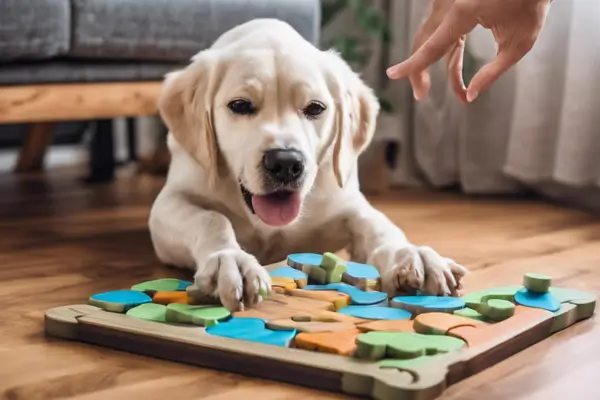
Puzzle toys challenge your dog’s brain by requiring them to think, sniff, and solve problems to earn a reward — usually treats or kibble.
This type of enrichment helps burn mental energy, which can be just as tiring as a long walk.
Benefits of Using Puzzle Toys for Dogs
1. Reduces Boredom and Destructive Behavior
One of the biggest benefits of puzzle toys is keeping your dog occupied when you’re busy or away. Instead of chewing your couch, your dog focuses on solving a fun challenge.
2. Improves Problem-Solving Skills
Puzzle toys encourage dogs to think critically. Over time, your dog becomes better at solving problems, which builds confidence and intelligence.
3. Slows Down Fast Eaters
Many puzzle toys double as slow feeders. If your dog eats too quickly, these toys can help improve digestion and prevent issues like bloating.
4. Helps with Anxiety and Stress
Dogs with separation anxiety or nervous energy can benefit greatly from puzzle toys. The mental engagement helps calm them down and redirect their focus.
5. Strengthens the Human-Dog Bond
Interactive puzzle toys can also be used during playtime with you, creating a shared experience that strengthens your bond.
If your dog gets bored easily, combining puzzle toys with other interactive dog toys for bored dogs can create a more engaging and enriching daily routine.
Types of Puzzle Toys for Dogs
There are several types of puzzle toys available, each designed to challenge dogs in different ways.
Treat-Dispensing Toys
These toys release treats when your dog rolls, pushes, or manipulates them. They are great for beginners and highly food-motivated dogs.
Interactive Puzzle Boards
These usually have sliders, flaps, or compartments that your dog must move to find hidden treats.
Snuffle Mats
Snuffle mats mimic natural foraging behavior. Dogs use their noses to find food hidden in fabric layers.
Hide-and-Seek Toys
These toys involve hiding smaller toys inside a larger one, encouraging your dog to “hunt” and retrieve them.
Advanced Puzzle Toys
Designed for experienced dogs, these toys require multiple steps to solve and provide a bigger challenge.
How to Choose the Best Puzzle Toys for Dogs
Consider Your Dog’s Size
Small dogs need smaller toys they can easily manipulate, while large dogs require durable and appropriately sized options.
Match the Difficulty Level
If the puzzle is too easy, your dog gets bored. If it’s too hard, they may get frustrated.
Start with beginner-level toys and gradually increase difficulty as your dog improves.
Look for Durable Materials
Dogs can be rough with toys. Choose high-quality, non-toxic materials that can withstand chewing and daily use.
Think About Your Dog’s Personality
- High-energy dogs: Need more challenging puzzles
- Anxious dogs: Benefit from calming, treat-based toys
- Curious dogs: Enjoy multi-step puzzles
Easy to Clean
Since most puzzle toys involve food, choose options that are easy to clean to maintain hygiene.
How to Introduce Puzzle Toys to Your Dog
Introducing puzzle toys correctly makes a big difference in how quickly your dog learns to use them.
Start Simple
Begin with an easy toy where treats are easy to access. This builds confidence and interest.
Use High-Value Treats
Choose treats your dog loves to increase motivation.
Show Them How It Works
Guide your dog at first. Move parts of the toy or demonstrate how treats come out.
Keep Sessions Short
Short sessions (10–15 minutes) help keep your dog engaged without frustration.
Increase Difficulty Gradually
As your dog learns, introduce more complex puzzles to keep them challenged.
For dogs that show signs of stress or restlessness, using puzzle toys alongside these strategies on how to calm an anxious dog at home can help promote a more relaxed and balanced behavior.
Common Mistakes to Avoid
Choosing the Wrong Difficulty
Starting with a puzzle that’s too hard can discourage your dog. Always build up gradually.
Leaving Toys Out All Day
Rotate puzzle toys to keep them exciting. If your dog has constant access, they may lose interest.
Not Supervising at First
Always supervise your dog when introducing a new toy to ensure safe use.
Using Low-Value Treats
If your dog isn’t motivated by the reward, they may not engage with the puzzle.
How Often Should Dogs Use Puzzle Toys?
Puzzle toys can be used daily as part of your dog’s routine.
- 10–20 minutes per session is usually enough
- Great during mealtime instead of a regular bowl
- Useful when you leave the house
Consistency is key. Regular mental stimulation leads to long-term behavioral improvements.
Are Puzzle Toys Enough Exercise?
Puzzle toys are excellent for mental stimulation, but they should not replace physical exercise.
Dogs still need:
- Daily walks
- Playtime
- Social interaction
The best approach is combining both physical and mental activities for a well-balanced routine.
🧩 Top 5 Best Puzzle Toys for Dogs (That Keep Them Mentally Engaged)
Here are some of the best puzzle toys for dogs that combine fun, mental stimulation, and durability:
1. Outward Hound Nina Ottosson Dog Brick Interactive Puzzle Toy
Benefits:
- Multiple compartments and sliding pieces challenge your dog’s brain
- Great for beginner to intermediate dogs
- Encourages problem-solving and patience
Pros:
- Adjustable difficulty levels
- Durable and well-designed
- Non-slip base
Cons:
- Not ideal for aggressive chewers
- Requires supervision for first-time use
2. KONG Classic Dog Toy
Benefits:
- Can be stuffed with treats or peanut butter
- Provides both mental stimulation and chewing satisfaction
- Extremely durable
Pros:
- Great for heavy chewers
- Widely trusted and long-lasting
- Helps reduce anxiety
Cons:
- Not a complex puzzle (more beginner level)
- Requires preparation (stuffing treats)
3. TRIXIE Mad Scientist Turn Around Interactive Toy
Benefits:
- Dogs must spin compartments to release treats
- Encourages problem-solving and coordination
- Ideal for dogs who enjoy interactive challenges
Pros:
- Unique design keeps dogs engaged
- Adjustable treat release difficulty
- Good for mental enrichment
Cons:
- Can be knocked over by large dogs
- Requires initial training
4. Snuffle Mat for Dogs (Foraging Mat)
Benefits:
- Mimics natural foraging behavior
- Encourages sniffing and slows eating
- Great for anxiety relief
Pros:
- Soft and safe for all dog sizes
- Easy to use (no training needed)
- Helps calm nervous dogs
Cons:
- Not ideal for destructive chewers
- Needs regular cleaning
5. Outward Hound Hide-A-Squirrel Puzzle Toy
Benefits:
- Combines puzzle-solving with play
- Dogs “hunt” and remove squeaky squirrels
- Great for interactive fun
Pros:
- Engaging and entertaining
- Perfect for dogs with prey drive
- Includes multiple toys in one
Cons:
- Plush material can be destroyed by aggressive chewers
- Not food-based (less appealing for food-motivated dogs)
✅ These options cover all levels — from beginner to advanced — helping you choose the best puzzle toys for dogs based on your dog’s behavior, size, and energy level.
Conclusion
Best puzzle toys for dogs are a powerful tool to improve your dog’s mental health, reduce unwanted behaviors, and make daily life more engaging and fun. Whether your dog is a playful puppy or a calm senior, puzzle toys provide valuable stimulation that keeps their mind sharp and their energy focused in the right direction.
By choosing the right toy, introducing it properly, and using it consistently, you can create a happier, healthier environment for your dog — all starting with the best puzzle toys for dogs.