
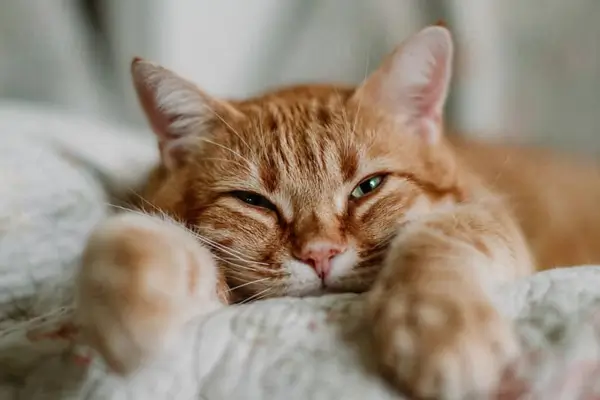
Why do cats purr so loud is a question many cat owners ask when their feline suddenly starts vibrating like a tiny engine, sometimes louder than expected. While purring is often associated with happiness, the truth is that it can mean several different things depending on the situation.
Cats use purring as a form of communication, self-soothing, and even healing. Understanding why your cat purrs — and why it can sometimes be so loud — helps you better interpret their emotions and needs.
In this guide, we’ll break down the science behind purring, the reasons it can get louder, and what your cat might be trying to tell you.
What Is Cat Purring and How Does It Work?
Purring is a unique vocalization produced by cats through rapid contractions of the muscles within their larynx (voice box). These contractions cause the vocal cords to open and close quickly while the cat breathes in and out.
According to experts in cat behavior and communication, purring can serve multiple purposes beyond expressing happiness, including self-soothing and signaling needs.
This creates the familiar rhythmic vibration sound we recognize as purring.
Interestingly, cats can purr both when inhaling and exhaling, which is why the sound is continuous and steady.
Why Do Cats Purr So Loud in Certain Situations?
Why Do Cats Purr So Loud When They Are Happy
The most common reason cats purr is contentment. When your cat is relaxed, comfortable, and enjoying your company, purring is their way of expressing satisfaction.
A louder purr in these moments can simply mean your cat is extremely happy or deeply relaxed.
You might notice this when:
- Petting your cat
- Sitting quietly together
- During cuddle time
- When they are about to sleep
Why Do Cats Purr So Loud When They Want Attention
Cats are smart and quickly learn what gets your attention. If loud purring results in petting, feeding, or affection, they may use it intentionally.
This type of purring is often combined with:
- Rubbing against you
- Meowing
- Following you around
It’s essentially your cat saying, “Hey, don’t ignore me.”
Why Do Cats Purr So Loud When They Are Hungry
Some cats develop what experts call a “solicitation purr.” This is a slightly different type of purring that includes a higher-pitched sound mixed in.
It’s designed to be hard for humans to ignore — especially when your cat wants food.
If your cat purrs loudly around feeding time, they’ve likely learned this behavior works.
Can Loud Purring Mean Something Else?
Purring as a Self-Soothing Mechanism
Cats don’t only purr when they’re happy. They may also purr when they’re:
- Stressed
- Scared
- In unfamiliar environments
In these cases, purring acts as a way to calm themselves down, similar to how humans might hum or take deep breaths.
Purring When Sick or in Pain
Surprisingly, cats may purr when they are injured or not feeling well.
Scientists believe purring vibrations (typically between 25–150 Hz) may help:
- Promote healing
- Reduce pain
- Improve bone and tissue repair
If your cat is purring loudly but also showing unusual behavior (like hiding or lack of appetite), it’s worth paying closer attention.
Why Some Cats Purr Louder Than Others
Not all cats purr at the same volume. Several factors can influence how loud your cat’s purr is.
Personality
Some cats are naturally more vocal and expressive than others. These cats tend to purr louder and more frequently.
Breed Differences
Certain breeds are known for being more vocal, which can include louder purring.
Environment
Cats that feel safe and comfortable in their environment are more likely to purr loudly and openly.
Creating a clean and comfortable environment is essential for your cat’s well-being, and learning how to reduce cat litter smell at home can help minimize stress and encourage more relaxed behavior.
Learned Behavior
If loud purring consistently gets your attention, your cat may continue or amplify the behavior over time.
When Should You Be Concerned About Loud Purring?
Most of the time, loud purring is completely normal and harmless.
However, you should monitor your cat if loud purring is combined with:
- Loss of appetite
- Lethargy
- Hiding behavior
- Changes in grooming habits
- Aggression or withdrawal
These signs could indicate discomfort or illness.
When in doubt, it’s always best to consult a veterinarian.
How to Respond When Your Cat Purrs Loudly
If They’re Happy
Enjoy the moment. Pet them, bond with them, and reinforce positive interaction.
If They Want Attention
Engage with them briefly, but avoid reinforcing demanding behavior if it becomes excessive.
If They Seem Anxious
Create a calm, safe environment. Reduce noise and stressors.
If you live in a smaller space, it’s even more important to maintain a fresh environment, and these tips to get rid of cat smell in small apartments can make a big difference in your cat’s comfort.
If You Suspect Pain
Observe closely and seek professional advice if needed.
Do Kittens Purr Loudly Too?
Kittens start purring at a very young age, often within a few days of being born.
They use purring to communicate with their mother, especially during feeding.
While kitten purrs are usually softer, they can become louder as they grow and develop.
Is Loud Purring a Good Sign?
In most cases, yes.
A loud purring cat is often:
- Comfortable
- Feeling safe
- Emotionally connected
However, context is everything. Always consider your cat’s overall behavior, not just the sound.
Conclusion
Why do cats purr so loud comes down to communication, emotion, and even biology. Whether your cat is expressing happiness, asking for attention, or soothing themselves, loud purring is a natural and meaningful behavior.
By paying attention to the context and your cat’s body language, you can better understand what they’re trying to tell you — and build an even stronger bond with your feline companion through understanding why do cats purr so loud.