

How to stop cat scratching furniture is one of the most common concerns among cat owners trying to protect their home while still allowing their cat to behave naturally. Scratching is not bad behavior — it’s an instinct. The key is not to stop it completely, but to redirect it to the right places.
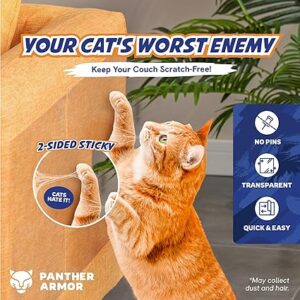
Quick Solution: If you want to protect your sofa immediately, we highly recommend the Cat Scratch Furniture Protector Tape Sheets. It’s clear, easy to apply, and cats hate the texture.
👉👉👉 Panther Armor – Best Cat Scratch Furniture Protector Tape.
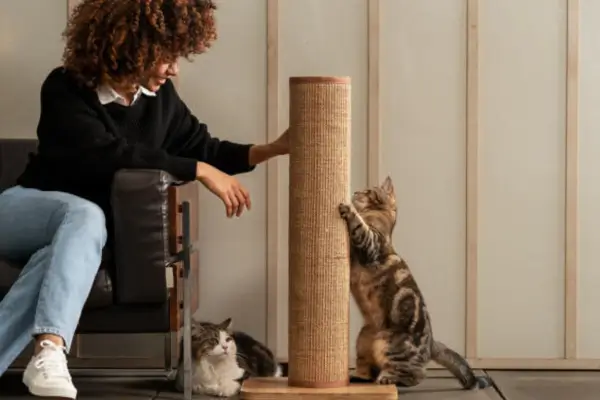
Cats scratch to mark territory, stretch their muscles, and maintain healthy claws. If your cat is damaging your couch or chairs, it simply means they haven’t learned a better option yet.
In this guide, you’ll learn practical, proven training tips that actually work — along with simple strategies to protect your furniture and keep your cat happy.
Why Cats Scratch Furniture in the First Place
Understanding the reason behind scratching makes it much easier to solve the problem.
According to experts, understanding why cats scratch is essential for redirecting this natural behavior instead of trying to eliminate it.
Natural Instinct and Claw Maintenance
Scratching helps cats remove the outer layer of their claws, keeping them sharp and healthy.
Territory Marking
Cats have scent glands in their paws. When they scratch, they leave both visual marks and scent signals.
Stretching and Exercise
Scratching allows cats to stretch their body, especially their back and shoulders.
Stress or Boredom
Cats that lack stimulation may scratch furniture as a way to release energy or cope with stress.
A clean and comfortable environment plays a big role in your cat’s behavior, and learning how to reduce cat litter smell at home can help lower stress levels and reduce unwanted habits like scratching.
How to Stop Cat Scratching Furniture Effectively
How to Stop Cat Scratching Furniture by Providing Alternatives
The most important step is giving your cat something better to scratch.
Use:
- Scratching posts
- Scratching pads
- Cat trees
Place these alternatives near the furniture your cat is currently scratching.
Cats often choose location over material, so positioning is key.
Use Positive Reinforcement
Reward your cat every time they use the correct scratching surface.
You can use:
- Treats
- Praise
- Gentle petting
This helps your cat associate the scratching post with something positive.
Make Furniture Less Appealing
If your cat keeps returning to the same spot, make that area less attractive.
You can:
- Use double-sided tape
- Cover surfaces temporarily
- Apply pet-safe deterrent sprays
If your cat is stubborn, a pet-safe deterrent spray is a game-changer. It creates an invisible barrier that protects your furniture without leaving stains, we recommend PetSafe SSSCAT Automatic Spray Deterrent
Cats dislike sticky or unusual textures, which helps break the habit.
Trim Your Cat’s Nails Regularly
Keeping your cat’s nails trimmed reduces damage and makes scratching less destructive.
Regular trimming also helps prevent accidental injuries during play.
Create a Stimulating Environment
Bored cats are more likely to scratch furniture.
Provide:
- Toys
- Climbing spaces
- Interactive play sessions
Mental and physical stimulation reduces unwanted behaviors significantly.
Building a consistent routine at home is key, and these tips on how to keep your house smelling good with pets can also support a calmer and more structured environment for your cat.
Common Mistakes That Make Scratching Worse
Punishing Your Cat
Yelling or punishing your cat will not solve the problem. It can create fear and damage your relationship.
Not Providing Enough Scratching Options
One scratching post is often not enough. Cats like multiple choices.
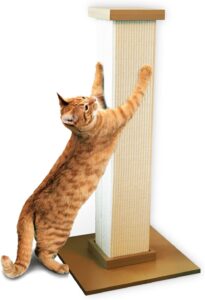
To successfully redirect your cat’s attention, you need a stable and tall sisal post. A flimsy one won’t work. We recommend SmartCat Ultimate Scratching Post, this heavy-duty scratching post that cats actually love.
👉👉👉 SmartCat Ultimate Scratching Post
Placing Scratching Posts in the Wrong Location
If the post is hidden or far away, your cat won’t use it.
Inconsistency in Training
Training requires consistency. Mixed signals will confuse your cat.
“Pro Tip: When you install the scratching post, put some catnip on it to attract your cat immediately!”
Best Types of Scratching Surfaces for Cats
Different cats prefer different textures. Offering variety increases success.
Sisal Rope or Fabric
Durable and one of the most popular options.
Cardboard Scratchers
Affordable and loved by many cats.
Carpeted Surfaces
Some cats prefer softer textures.
Vertical vs Horizontal Scratchers
- Vertical: mimics furniture like couches
- Horizontal: great for cats that scratch floors
Observe your cat’s preference and match it.
How Long Does It Take to Stop Cat Scratching Furniture?
Every cat is different.
- Some cats adjust in a few days
- Others may take a few weeks
Consistency is the most important factor. The more you reinforce the right behavior, the faster your cat learns.
When to Be Concerned About Excessive Scratching
While scratching is normal, excessive scratching may signal:
- Anxiety
- Lack of stimulation
- Environmental stress
If scratching becomes obsessive or destructive despite training, consider evaluating your cat’s routine and environment.
Can You Completely Stop a Cat from Scratching?
No — and you shouldn’t try to.
Scratching is a natural behavior. The goal is redirection, not elimination.
When done correctly, your cat will stop targeting your furniture and use appropriate surfaces instead.
Extra Tips That Make a Big Difference
- Place scratching posts near sleeping areas (cats like to stretch after waking up)
- Use catnip to attract your cat to new scratchers
- Rotate toys to keep things interesting
- Combine physical play with mental stimulation
Small changes can lead to big improvements over time.
🛒 Best Products to Stop Cat Scratching Furniture (Top Picks That Actually Work)
1. SmartCat Ultimate Scratching Post
Benefits:
- Tall design allows full body stretch
- Durable sisal material ideal for claw maintenance
- Encourages proper scratching behavior
Pros:
- Very stable and sturdy
- Long-lasting material
- Suitable for large cats
Cons:
- Takes up some vertical space
- Simple design (not decorative)
2. PetFusion Ultimate Cat Scratcher Lounge
Benefits:
- Doubles as a scratcher and resting spot
- Made from recycled cardboard
- Great for horizontal scratching
Pros:
- Modern design
- Loved by most cats
- Reversible for extended use
Cons:
- Can wear out faster than sisal
- May create cardboard debris
3. Sofa-Scratcher Cat Furniture Protector
Benefits:
- Attaches directly to furniture
- Redirects scratching to safe surface
- Protects couch edges effectively
Pros:
- Easy to install
- Blends with furniture
- Saves damaged areas
Cons:
- Not a long-term behavioral solution alone
- Limited size options
4. Feliway Classic Calming Diffuser
Benefits:
- Reduces stress-related scratching
- Mimics natural calming pheromones
- Helps create a relaxed environment
Pros:
- Vet-recommended
- Easy to use
- Covers large areas
Cons:
- Needs regular refills
- Results may vary per cat
5. SmartyKat Scratch Not Training Spray
Benefits:
- Discourages cats from scratching specific areas
- Safe and non-toxic formula
- Works well with training routines
Pros:
- Affordable
- Easy to apply
- Effective for many cats
Cons:
- Needs frequent reapplication
- Some cats may ignore the scent
✅ These products work best when combined with training strategies, helping you effectively solve how to stop cat scratching furniture while keeping your cat happy and your home protected.
Conclusion
How to stop cat scratching furniture comes down to understanding your cat’s natural instincts and guiding them toward better habits. By providing the right alternatives, using positive reinforcement, and creating a stimulating environment, you can protect your furniture without frustrating your cat.
With patience and consistency, your cat will learn where to scratch — and your home will stay intact while solving how to stop cat scratching furniture.