
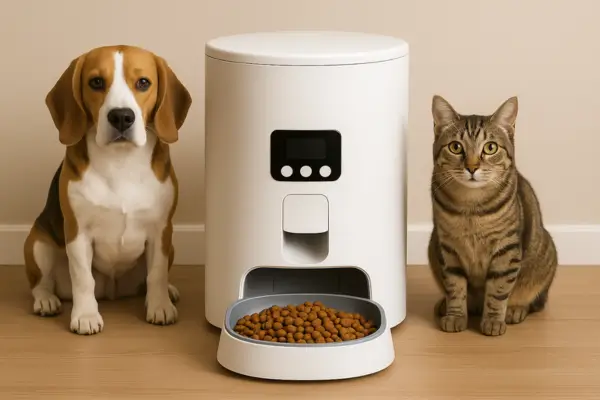
Why Pet Feeder Hygiene Matters
If you use an automatic pet feeder, you’re already taking a big step in making mealtime more convenient for you and more consistent for your furry friend. But with that convenience comes a responsibility that many pet parents overlook: keeping the feeder clean. Over time, leftover food particles, crumbs, and even moisture can build up inside the feeder’s bowls, compartments, and internal parts. This creates the perfect environment for bacteria, mold, or pests to grow—putting your pet’s health at risk.
Just like you wouldn’t eat off a dirty plate, your pet deserves a clean feeding space every day. A well-maintained feeder helps prevent digestive issues, bad odors, and even mechanical malfunctions. It also keeps your home smelling fresh and your pet’s food safe and appealing.
What This Article Will Cover
In this guide, we’ll explore everything you need to know about maintaining a clean and sanitary pet feeder. You’ll learn:
- The risks of not cleaning your feeder regularly
- How often to clean it based on your pet’s food type and environment
- Step-by-step instructions for deep cleaning, plus daily and weekly habits
- Safe cleaning products and tools that won’t harm your pet
- A bonus DIY natural cleaner recipe using simple ingredients you probably already have
- Common mistakes to avoid that could damage your feeder or impact its performance
Whether you’ve just bought a new automatic feeder or you’ve had one for years, this article will help you develop a cleaning routine that’s fast, easy, and effective—because a clean feeder means a healthier, happier pet.
Why Cleaning Your Pet Feeder Matters
Health Risks of a Dirty Pet Feeder
A dirty pet feeder isn’t just unpleasant—it can pose serious health risks to your furry companion. When food particles, moisture, and oils are left to sit in the feeder, they create a breeding ground for harmful bacteria such as Salmonella, E. coli, and Listeria. Over time, mold and mildew can also form, especially in areas that are dark, warm, or hard to reach—like inside the food chute or beneath removable parts.
If you’re using wet or semi-moist food, the risk multiplies. These foods spoil quickly, and if not cleaned out promptly, they can become toxic. Even dry kibble leaves behind residue and oils that attract pests and promote bacterial growth. The longer the feeder goes without cleaning, the more likely it is to contaminate every new batch of food you put in.
Impact on Your Pet’s Overall Well-being and Digestion
A contaminated feeder can cause a range of health problems for your pet, from mild digestive discomfort to serious illness. You might notice symptoms like vomiting, diarrhea, loss of appetite, or changes in behavior—all potential signs of foodborne illness. In some cases, prolonged exposure to mold or bacteria can lead to chronic health issues or weakened immunity, especially in older pets or those with existing medical conditions.
Additionally, dirty feeders can alter the taste and smell of your pet’s food, causing them to eat less or skip meals entirely. Over time, this can impact their nutrition and energy levels. Cleanliness isn’t just about safety—it’s also about maintaining your pet’s daily routine, comfort, and overall happiness.
By committing to regular cleaning, you’re not only protecting your pet from illness but also reinforcing a healthy and consistent feeding environment that supports long-term wellness.
Recommended Cleaning Frequency
Keeping your pet feeder clean doesn’t have to be complicated, but consistency is key. Establishing a regular cleaning schedule helps prevent buildup of bacteria, mold, and food residue—keeping your pet’s meals fresh and safe every time.
General Cleaning Guidelines
Here’s a simple breakdown of daily, weekly, and monthly tasks to keep your feeder in top condition:
Daily:
- Wipe down the feeding bowl or tray with a clean, damp cloth after each meal (or at least once a day).
- Remove any leftover food—especially if it’s wet or moist.
- Rinse water containers or dispensers if your feeder includes them.
Weekly:
- Wash removable parts (bowls, lids, trays, water tanks) with warm water and pet-safe soap.
- Check for hidden food crumbs or oil buildup inside chutes or around the food reservoir.
- Sanitize the feeding area (floor and mat) to eliminate bacteria and pests.
Monthly:
- Perform a deep clean, including the internal compartments, sensors, and feeding mechanisms.
- Inspect the feeder for any signs of wear, damage, or mold.
- Clean or replace any filters, if applicable.
Differences Between Wet Food and Dry Food Usage
The type of food you use plays a major role in how often you should clean:
- Wet or moist food: Requires daily cleaning at minimum. Any leftovers should be removed immediately after feeding to avoid spoilage, which can occur within hours.
- Dry kibble: Leaves behind less mess but still contains oils and crumbs that can accumulate over time. A weekly clean is essential, with a deep clean once a month.
Factors That May Influence Frequency
While the above guidelines are a great starting point, several factors can impact how often you should clean your pet feeder:
- Number of pets: More pets = more mess. You may need to clean more frequently if multiple pets are sharing the same feeder.
- Type of feeder: Gravity feeders or open trays may collect more debris than enclosed or automatic models, requiring more frequent cleaning.
- Environment: Warm or humid climates can cause mold and bacteria to grow faster. Homes with a lot of dust, hair, or insects may also need more frequent cleaning.
- Pet behavior: Messy eaters or pets that drool or paw at their feeders may create more mess, calling for daily spot-cleaning.
By understanding your pet’s needs and habits, you can create a personalized cleaning routine that keeps their feeder clean, functional, and safe.
Signs It’s Time to Clean Your Feeder
Even with a set cleaning schedule, it’s important to stay alert for warning signs that your pet feeder needs immediate attention. Ignoring these signals can lead to hygiene issues, malfunctions, or worse—health problems for your pet. Here are the top indicators that it’s time to clean your feeder:
Visible Dirt or Residue
If you can see food buildup, crumbs, oil residue, or even mold, it’s a clear sign your feeder needs cleaning—right away. These particles often collect in hard-to-reach areas like the corners of bowls, under lids, or inside the chute. Even if the feeder looks “mostly” clean, leftover oils and dried food can harbor bacteria that aren’t visible to the naked eye. Regular inspection is key, especially after each refill.
Unpleasant Odor
A bad smell coming from the feeder is one of the most obvious signs that bacteria or spoiled food is present. Stale food, sour odors, or even a musty scent can mean that food has been sitting too long or the feeder’s interior hasn’t been properly cleaned. If the feeder smells worse than the food it’s dispensing, it’s time to give it a thorough scrub.
Pet Avoiding the Feeder or Showing Signs of Discomfort
Your pet’s behavior can tell you a lot. If your dog or cat suddenly hesitates to approach the feeder, refuses to eat, or eats less than usual, they may be sensing something wrong—like bad smells, spoiled food, or an unclean bowl. Some pets may paw at the feeder or act restless around mealtimes, trying to signal discomfort. Always take changes in behavior seriously and inspect the feeder for cleanliness
Quick Cleaning Tips
Cleaning your pet feeder doesn’t have to be a time-consuming chore. With a simple routine and the right tools, you can keep your feeder spotless, your pet healthy, and avoid costly issues down the road. Here are practical tips to make both daily upkeep and deep cleaning easier.
Daily Rinsing Techniques
Quick daily cleanings go a long way in preventing buildup:
- Wipe food bowls and trays with a damp cloth or pet-safe antibacterial wipe after each meal. This helps remove crumbs and oil residue before they harden.
- If your feeder has removable parts, give them a quick rinse in warm water daily—especially after dispensing wet food.
- Dry thoroughly with a clean towel or let air dry before reassembling. Moisture left behind can promote mold growth.
For water dispensers, empty and refill with fresh water daily, and rinse the container to avoid slimy buildup.
Deep Cleaning Methods (Weekly/Monthly)
Set aside time each week or month to do a more thorough clean:
- Disassemble all removable parts of the feeder, including bowls, lids, hoppers, and trays.
- Wash each part with warm, soapy water—ideally using a mild, unscented, pet-safe dish soap.
- Use a soft brush or toothbrush to scrub hard-to-reach areas like food chutes and crevices.
- For electronic parts and sensors, never submerge them. Instead, wipe them gently with a dry or slightly damp microfiber cloth.
- Allow all parts to air dry completely before reassembling to prevent mold and damage.
Safe Products to Use
Not all cleaners are safe for your pets. Stick to gentle, pet-friendly products to avoid leaving behind harmful residues:
- Mild dish soap: Unscented or plant-based varieties are ideal.
- White vinegar and water (1:1): A natural disinfectant safe for most surfaces.
- Baking soda paste: Great for removing stubborn stains or odors without chemicals.
- Pet-safe disinfectant wipes or sprays: Look for non-toxic, residue-free options clearly labeled as safe for animals.
- Avoid: Bleach, ammonia, harsh chemicals, or heavily fragranced cleaners—they can leave behind toxic residues or irritate your pet’s senses.
Common Mistakes to Avoid
Cleaning your pet’s automatic feeder might seem straightforward, but certain habits—or lack thereof—can compromise your efforts and pose risks to your pet’s health. Even the most well-meaning pet parents can fall into these common cleaning traps. Knowing what to avoid is just as important as knowing what to do.
Skipping Deep Cleans
One of the biggest mistakes pet owners make is assuming that a quick daily wipe is enough. While spot-cleaning is essential for daily upkeep, it doesn’t eliminate the residue, food oils, or hidden grime that builds up in the feeder over time. This is especially true for complex automatic feeders that have food reservoirs, rotating chutes, or mechanical components. When deep cleaning is skipped, bacteria and mold can grow undetected, contaminating fresh food every time it’s dispensed.
Over time, this not only puts your pet at risk of illness but also shortens the lifespan of your feeder. Parts can become clogged, sensors may stop functioning, and unpleasant odors may develop. To avoid these issues, make it a habit to fully disassemble and deep clean the feeder at least once a month, or more frequently if you’re feeding wet or raw food. Consider setting a calendar reminder or adding it to your regular pet care checklist.
Using Harmful Cleaning Products
It’s tempting to grab whatever cleaning product is under the sink, but many standard household cleaners are unsafe for pets. Products containing bleach, ammonia, artificial fragrances, or harsh chemicals can leave behind toxic residues—even if they seem to rinse away. These residues can linger on surfaces your pet eats from and may lead to digestive upset, vomiting, or more serious health issues over time.
To keep your pet safe, always opt for mild, pet-safe options. Unscented dish soaps, diluted white vinegar, and baking soda are all effective and safe for most feeder materials. If you prefer commercial cleaners, look for those clearly labeled as non-toxic or formulated specifically for pet use. And no matter what you use, make sure to rinse thoroughly and dry completely before reassembling and refilling the feeder.
Ignoring Hard-to-Reach Areas
It’s easy to clean only what you see—but that’s not where the real problems usually lie. Automatic feeders often have tight spaces where crumbs, oils, and moisture can build up unnoticed. These include:
- The food chute or dispenser tunnel
- Edges under the lid or around hinges
- Gaps where the bowl connects to the base
- Underside of trays or the base of gravity feeders
- Small compartments near electronics or moving parts
Neglecting these areas allows bacteria and mold to thrive in hidden spots. Over time, these contaminants can mix with new food or water, even if the visible parts of the feeder look clean.
Use tools like toothbrushes, cotton swabs, or soft bottle brushes to reach these areas during your deep cleaning sessions. A flashlight can help you inspect dark corners or check for buildup. Getting into the habit of thoroughly checking every part of the feeder—visible or not—ensures a truly hygienic system for your pet.
Conclusion
How Often You Should Clean Your Pet Feeder
Throughout this guide, we’ve explored how crucial cleanliness is when it comes to your pet’s automatic feeder. To quickly recap:
- Daily tasks include wiping food bowls, rinsing water containers, and removing any leftover food—especially if using wet or semi-moist food.
- Weekly tasks should involve washing all removable parts with warm, pet-safe soapy water, sanitizing the feeding area, and inspecting for any crumbs or buildup.
- Monthly tasks are your opportunity for a deep clean—disassembling the unit, wiping down internal components, checking for mold or odor, and making sure sensors and mechanisms are free of debris.
The type of food, number of pets, environment, and feeder model may require you to clean more frequently, but sticking to this basic schedule can prevent nearly all hygiene-related problems.
Maintain a Regular Cleaning Schedule
Keeping your pet’s feeder clean isn’t just a chore—it’s a key part of responsible pet ownership. It’s one of those small, behind-the-scenes habits that has a big impact on your pet’s day-to-day health. When you stay consistent with cleaning:
- Your pet enjoys safe, fresh meals without risk of contamination
- You reduce the chance of illness caused by bacteria, mold, or spoiled food
- Your feeder continues to work efficiently, without jams or odors
- You create a pleasant, hygienic feeding station in your home
While it might seem like one more thing to add to your to-do list, incorporating feeder cleaning into your routine quickly becomes second nature. Just like brushing your teeth or feeding your pet, a few minutes of effort can make a world of difference in the long run.
Think of it as an investment in your pet’s happiness—and peace of mind for you. A clean feeder means fewer vet visits, fewer messes, and a smoother feeding experience all around.
Your pet gives you unconditional love—let’s return the favor with a clean, healthy feeding space. Whether you have a playful pup, a curious kitten, or a senior companion, they all deserve the comfort and safety that comes with a well-maintained feeder. A few minutes a day is all it takes to make mealtime better, safer, and happier for everyone.