
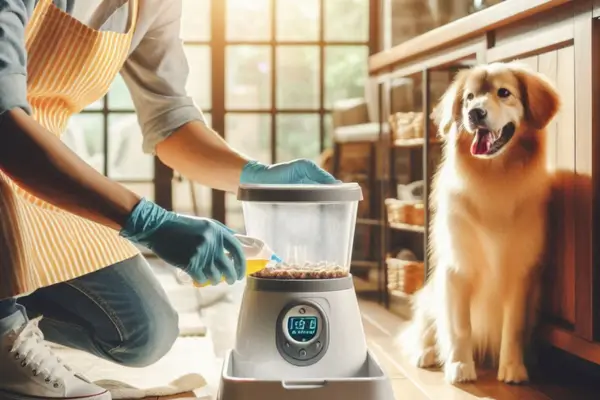
Keeping your pet’s automatic feeder clean isn’t just about appearances—it’s a vital part of maintaining your pet’s health and safety. Over time, food residue, moisture, and dust can build up in feeding bowls, storage compartments, and dispensing mechanisms, creating the perfect environment for bacteria, mold, and unpleasant odors. If left uncleaned, these contaminants can lead to stomach issues, infections, or even a complete refusal to eat.
That’s why regular cleaning is so important. But just as crucial as how often you clean is what you clean with. Harsh chemicals or strong disinfectants might get rid of grime, but they can leave behind residues that are harmful to pets—especially when in direct contact with food. Choosing gentle, non-toxic, and pet-safe cleaning products ensures your feeder stays sanitary without putting your furry friend at risk.
In this article, we’ve rounded up the top 5 safe and effective cleaning products specially suited for pet feeders. Each one is easy to use, highly rated by pet owners, and formulated to clean thoroughly without exposing your pet to harmful ingredients. Whether you’re doing a quick daily wipe or a full weekly deep clean, these products will help you keep your pet’s feeding station fresh, safe, and ready for mealtime.
Section 1: Why Safe Cleaning Products Matter
When it comes to maintaining your pet’s feeder, choosing the right cleaning products is just as important as cleaning regularly. Many common household cleaners may do a great job removing dirt and grime—but they can also pose hidden dangers to your furry friend. Understanding the risks of harsh chemicals and the benefits of safer alternatives will help you make informed decisions that protect your pet’s health.
How Harsh Chemicals Can Harm Pets
Many traditional cleaning agents—like bleach, ammonia, or strong disinfectant sprays—contain toxic ingredients that can be harmful to pets if ingested, inhaled, or even absorbed through contact with the mouth. Pets are naturally curious and often lick their bowls, feeders, and surrounding areas, which means any leftover cleaning residue can easily end up in their digestive system.
Exposure to harsh chemicals can lead to:
- Mouth or throat irritation
- Vomiting or diarrhea
- Respiratory distress
- Chemical burns
- Long-term organ damage in severe cases
Even small traces of these substances, invisible to the eye, can cause discomfort or illness over time—especially in small pets or those with sensitive systems.
How Residue from Unsafe Products Can Affect Food Safety
Feeder components like bowls, chutes, and lids come into direct contact with your pet’s food every day. If you’re using unsafe cleaning products and not rinsing thoroughly (or if the product isn’t designed to be used on food-contact surfaces), traces of chemicals can linger—and mix with your pet’s food.
Residue left behind can:
- Alter the taste or smell of the food, making your pet avoid it
- React with fats or oils in the food, causing chemical changes
- Lead to long-term exposure to toxins if consumed regularly
This risk increases with feeders made of porous materials like plastic, which can absorb and retain strong-smelling or chemical-based cleaners. For your pet’s safety and appetite, it’s best to stick to products that are made specifically for food-contact surfaces or labeled as pet-safe.
Benefits of Choosing Non-Toxic, Biodegradable, and Fragrance-Free Options
Safer alternatives exist—and they’re just as effective when used correctly. Cleaning products formulated for pets or kitchens often contain plant-based or mineral ingredients that break down naturally and leave no harmful residue behind.
Non-toxic cleaners are gentle on your pet’s system but tough on bacteria, grime, and odors.
Biodegradable products are better for the environment, breaking down safely without polluting water or soil.
Fragrance-free formulas avoid artificial scents that may irritate your pet’s nose or mask food odors, which could deter them from eating.
Choosing the right cleaner not only protects your pet but also ensures a more pleasant feeding experience—free of strange tastes or smells.
Section 2: What to Look for in a Safe Cleaner
Not all cleaning products are created equal—especially when it comes to items your pet eats from every day. To keep your automatic feeder both clean and safe, it’s important to know exactly what to avoid and what to prioritize when choosing a cleaner. The right product should remove dirt and bacteria effectively without putting your pet at risk.
Key Ingredients to Avoid
Many conventional cleaners contain harsh chemicals that are effective at disinfecting but harmful to pets. When used on pet feeders, these substances can leave behind invisible residues that may be ingested with food. Here are some key ingredients you should steer clear of:
- Bleach (Sodium Hypochlorite): A strong disinfectant that can cause mouth, throat, and stomach irritation if ingested—even in trace amounts.
- Ammonia: Often found in glass and surface cleaners, ammonia produces strong fumes that can irritate the respiratory tract.
- Phenols: Common in household disinfectant sprays, phenols are especially toxic to cats.
- Artificial Fragrances and Dyes: These can contain allergens and irritants that affect both pets and people, especially those with sensitivities.
- Alcohols or Solvents: These may dry quickly but can leave residues that upset your pet’s digestive system.
Always read labels carefully. If a product isn’t labeled as safe for food-contact surfaces or pets, it’s best to avoid using it on feeders.
Preferred Features in a Pet-Safe Cleaner
When shopping for a safe cleaner for your pet feeder, look for products that are:
- Non-Toxic: Formulated without harmful chemicals, safe for food-contact surfaces.
- Pet-Safe: Specifically designed for use around animals and safe if ingested in small, accidental amounts.
- Natural or Plant-Based: Uses ingredients derived from natural sources like vinegar, baking soda, or plant enzymes to break down grime and odors.
- Enzymatic: These cleaners use naturally occurring enzymes to break down food residue and organic waste, making them highly effective and gentle at the same time.
- Residue-Free: Rinses clean or evaporates without leaving behind chemicals or strong smells.
- Odor-Neutralizing (but Fragrance-Free): Eliminates bad odors without masking them with artificial scents that may bother pets.
These features ensure you’re using a product that won’t interfere with your pet’s eating habits or compromise their health.
Certifications or Labels to Look For
Certain third-party certifications can give you extra peace of mind that a product meets strict safety and environmental standards. Look for these symbols and labels on the packaging:
- USDA Organic: Indicates that the product contains certified organic ingredients and meets federal organic standards.
- EPA Safer Choice: Identifies cleaning products that are safer for human health and the environment.
- Cruelty-Free (Leaping Bunny or PETA Certified): Ensures the product and its ingredients were not tested on animals.
- NSF Certified for Food Contact Surfaces: Confirms the product is safe to use on surfaces that touch food.
- Biodegradable or Eco-Friendly: Indicates the product breaks down naturally and does not harm ecosystems.
By choosing a cleaner that meets these criteria, you protect your pet from unnecessary chemical exposure while also supporting ethical and sustainable product choices. A safe cleaner does more than remove mess—it gives you peace of mind that every meal is served in a healthy, toxin-free environment.
Section 3: Top 5 Safe Products to Clean Your Automatic Pet Feeder
When it comes to cleaning your pet’s feeder, not just any product will do. The ideal cleaner should remove food residue, eliminate bacteria, and leave no harmful chemicals behind. Below are five safe, effective options—ranging from store-bought solutions to DIY-friendly alternatives—perfect for keeping your automatic pet feeder clean and your pet protected.
Product 1 – Puracy Multi-Surface Cleaner
Description:
A popular plant-based cleaner that’s tough on grime but gentle on pets and people. Formulated by chemists and tested by families, it’s designed for food-contact surfaces and leaves no harmful residue.
Benefits:
- Non-toxic, biodegradable, and safe for pets
- Effectively cleans food bowls, trays, and feeder surfaces
- Fragrance-free option available for sensitive pets
Why It’s Safe for Pets:
Made without sulfates, bleach, ammonia, or harsh preservatives. It’s also certified cruelty-free and safe to use around food areas.
Product 2 – Seventh Generation Free & Clear Disinfecting Multi-Surface Cleaner
Description:
An EPA-registered botanical disinfectant that kills 99.99% of bacteria and viruses using thyme oil instead of harsh chemicals.
Ideal Use: Great for deep cleaning feeder parts, especially if you’re tackling bacteria, mold, or sticky food residue.
Safety Credentials:
- USDA Certified Biobased Product
- No synthetic fragrances or dyes
- Leaping Bunny certified cruelty-free
- Suitable for pet areas with proper rinsing
Product 3 – ECOS Pet-Safe All-Purpose Cleaner
Key Features:
Made specifically with pets in mind, this plant-powered cleaner is a go-to for pet owners who want a strong yet gentle product. It uses coconut-based surfactants and essential oils (optional, with a fragrance-free version available).
Cleaning Power:
Cuts through grease, dried food, and stains with ease. Safe for bowls, food storage lids, and feeding mats.
Pet-Safe Ingredients:
- Non-toxic and hypoallergenic
- Made without bleach, ammonia, or parabens
- pH-balanced for safe use around animals
Product 4 – DIY Solution: White Vinegar + Baking Soda
Natural or DIY-Friendly Option:
For a budget-friendly and eco-safe option, you can clean your feeder with a mix of white vinegar and baking soda.
Effectiveness:
- Vinegar disinfects and deodorizes
- Baking soda lifts grime and neutralizes odor
- Safe for all feeder materials, including plastic and stainless steel
How to Use:
Sprinkle baking soda on surfaces, then spray with diluted vinegar (1 part vinegar to 2 parts water). Scrub gently, rinse thoroughly, and air dry.
Product 5 – **Bar Keepers Friend Soft Cleanser (Unscented)
Specialty Cleaner for Plastic/Stainless Steel Feeders:
Designed for kitchen appliances and food-safe surfaces, this cleaner is ideal for feeders made with stainless steel or BPA-free plastic.
Why It Stands Out:
- Gently removes buildup, stains, and hard water spots
- Leaves no strong odor
- Excellent for feeder bowls and metal storage components
Note:
Make sure to rinse thoroughly and avoid scented varieties to prevent pet aversion.
Section 4: How to Use These Products Effectively
Now that you’ve chosen a safe, pet-friendly cleaning product, the next step is using it properly to keep your automatic feeder in top shape. A consistent cleaning routine helps prevent bacteria buildup, keeps food tasting fresh, and extends the life of your feeder. Here’s how to use these products safely and efficiently.
Step-by-Step Cleaning Guide
Whether you’re using a commercial cleaner or a DIY option like vinegar and baking soda, follow these steps for a thorough clean:
- Unplug the Feeder
Always disconnect the feeder from power before cleaning to avoid electrical hazards and protect internal components.
- Disassemble Removable Parts
Remove bowls, lids, food trays, and any washable components. Consult the user manual to avoid forcing parts that shouldn’t be detached.
- Pre-Rinse Components
Rinse all parts under warm water to remove loose food debris or dust.
- Apply Your Cleaner
Spray or apply your chosen product to the surfaces. For natural cleaners, such as vinegar and baking soda, let them sit for a few minutes to lift grime and neutralize odors.
- Scrub Gently
Use a soft sponge or brush (non-abrasive) to scrub food contact areas. Pay attention to corners, chutes, and tight spots where buildup often hides.
- Rinse Thoroughly
Ensure all cleaner—especially natural acids like vinegar or commercial sprays—is fully rinsed away to avoid leaving residue that could affect food taste or safety.
- Wipe Down the Main Unit
Use a lightly damp cloth to wipe the feeder’s main (non-washable) components. Avoid letting water or cleaning product seep into electronic parts or buttons.
- Dry Completely
Allow all components to air dry fully, or wipe dry with a clean, lint-free cloth before reassembling the feeder. Moisture left behind can cause mold or damage the machine.
- Reassemble and Refill
Once dry, reassemble the feeder, plug it back in, and refill with fresh food.
Frequency of Cleaning Recommendations
The cleaning frequency depends on your feeder type and the food you use:
- Daily: Wipe down the feeding bowl and surrounding area, especially for wet or semi-moist food.
- Weekly: Full cleaning of all removable parts using your chosen product.
- Monthly: Deep clean the entire system, including hard-to-reach areas and non-removable parts (wipe only, no submerging).
If you notice a strong smell, food buildup, or your pet begins avoiding the feeder, clean it immediately—even if it’s ahead of schedule.
Tips to Avoid Damage to the Feeder
To ensure your feeder stays in great condition while you keep it clean:
- Avoid harsh scrubbers: Steel wool and abrasive brushes can scratch or wear down plastic and stainless steel.
- Do not soak electronic parts: Only wipe these with a slightly damp cloth—never submerge the base or control panel.
- Rinse thoroughly: Especially when using vinegar, enzymatic cleaners, or any scented product. Leftover cleaner may deter pets or leave residues.
- Check the user manual: Always follow brand-specific care guidelines. Some feeders have dishwasher-safe parts, while others require handwashing only.
- Avoid high heat: If washing parts in a dishwasher, use the top rack and a low-heat cycle unless the manual says otherwise.
Section 5: Bonus – DIY Natural Cleaner Option
If you prefer to avoid store-bought cleaners or simply want a more budget-friendly and eco-conscious option, making your own pet-safe cleaner is a great alternative. Using common household ingredients like white vinegar and baking soda, you can create an effective, natural cleaning solution that’s tough on grime but gentle on your pet.
Simple Homemade Recipe Using Safe Ingredients
DIY Pet-Safe Cleaner: Vinegar & Baking Soda Formula
Ingredients:
- 1 cup white distilled vinegar
- 1 tablespoon baking soda
- 1 cup warm water
- Optional: a few drops of unscented Castile soap for extra cleaning power
Instructions:
- In a large bowl or spray bottle, mix the water and vinegar.
- Add baking soda slowly—it will fizz!
- Stir gently until fully dissolved or cap the spray bottle and shake gently.
- Use immediately for best results.
How to Use:
- Spray directly onto removable feeder parts or apply with a soft cloth or sponge.
- Let sit for 2–3 minutes to break down grime or stuck-on residue.
- Scrub lightly, then rinse thoroughly with warm water.
- Dry completely before reassembling the feeder.
This cleaner is great for bowls, lids, trays, and other surfaces that come in contact with your pet’s food.
When It’s a Good Alternative to Store-Bought Products
DIY cleaners are a smart choice when:
- You want a quick, chemical-free option using what you already have at home.
- You’re cleaning frequently and prefer a mild, cost-effective solution.
- Your pet has sensitivities to fragrances or certain commercial ingredients.
- You prefer a greener, more environmentally friendly approach.
However, while this natural cleaner is excellent for everyday use, it may not fully disinfect like some commercial cleaners designed to kill 99.9% of bacteria. In cases where deep sanitization is needed (e.g., illness in the household, mold buildup), a pet-safe store-bought disinfectant may be a better choice.
Conclusion
Keeping your automatic pet feeder clean isn’t just about keeping things tidy—it’s a vital part of protecting your pet’s health. Using safe, non-toxic cleaning products helps prevent the buildup of harmful bacteria, mold, and chemical residues that can contaminate your pet’s food and cause illness. Whether you opt for a trusted commercial cleaner or a simple DIY solution, the key is choosing products that are gentle on pets but tough on grime.
Regular maintenance—both daily wipe-downs and weekly deep cleans—ensures that your feeder stays in top working condition and your pet continues to enjoy fresh, clean meals. Don’t wait until food is left behind or the bowl starts to smell. Make cleaning part of your feeding routine, just like refilling the food bin.
Do you have a go-to safe cleaner or a pet-friendly cleaning hack that works wonders? We’d love to hear from you! Share your favorite products or DIY recipes in the comments and help fellow pet owners create a healthier feeding space for their furry friends.