
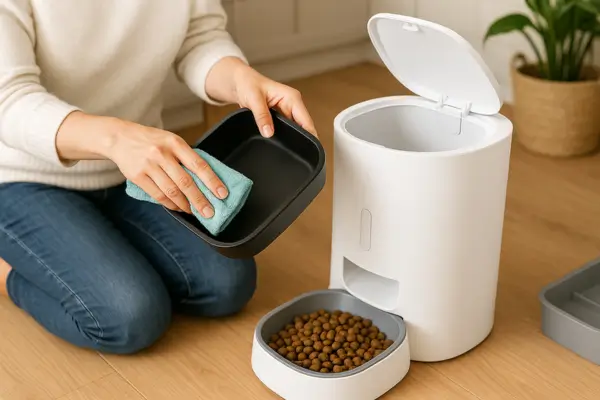
Importance of Pet Feeder Hygiene
Keeping your pet’s feeder clean isn’t just about appearances—it’s a key part of responsible pet care. A dirty feeder can quickly become a breeding ground for bacteria, mold, and pests, especially in warm or humid environments. Just like you wouldn’t want to eat from a grimy dish, your pet deserves a fresh and sanitary feeding area.
Health Risks of Mold and Bacteria for Pets
When food residue builds up or water sits for too long, harmful microorganisms can thrive. These can lead to serious health problems such as digestive issues, vomiting, diarrhea, skin irritations, and in severe cases, infections. Mold spores and bacteria like Salmonella and E. coli are common culprits, particularly in unclean feeders.
Overview of What the Article Will Cover
In this article, we’ll break down why cleanliness matters, how often you should clean your pet feeder, signs that it’s time for a scrub, and a simple step-by-step cleaning routine. We’ll also share safe cleaning products and highlight common mistakes to avoid—so you can keep your pet healthy, happy, and well-fed.
Why Mold and Bacteria Grow in Pet Feeders
Common Causes
Pet feeders can easily become a hotspot for mold and bacteria if not cleaned regularly. The most common culprits include:
- Moisture: Water bowls, drool, or even high humidity can leave behind moisture that encourages mold growth.
- Leftover Food: Bits of uneaten wet or dry food stuck in corners or under trays can spoil quickly and become a breeding ground for bacteria.
- Poor Ventilation: Enclosed feeders without airflow trap heat and moisture, creating the perfect environment for microbial growth.
Types of Feeders Most at Risk
Certain types of feeders are more prone to contamination than others:
- Automatic Feeders: While convenient, they often have hidden compartments, moving parts, and tight crevices where residue and moisture can accumulate. If not properly cleaned, these areas can harbor harmful bacteria and mold.
- Manual Feeders: Simple bowls are easier to clean but still at risk if food and water are left sitting for too long, especially outdoors.
Signs of Contamination to Look Out For
It’s important to regularly inspect your pet’s feeder for signs of mold or bacteria. Warning signs include:
- A slimy film on food or water surfaces
- Foul or sour odors
- Visible mold spots or residue buildup
- Discoloration of the feeder’s surfaces
- Pets hesitating to eat or drink from the feeder
How Mold and Bacteria Affect Your Pet’s Health
Potential Health Issues: Vomiting, Diarrhea, Infections
Mold and bacteria in pet feeders aren’t just gross—they can seriously impact your pet’s health. When your dog or cat consumes food or water contaminated with microorganisms like Salmonella, E. coli, or mold spores, their digestive system is the first to suffer. You might notice sudden vomiting, loose stools, or complete loss of appetite. These are common signs of foodborne illness caused by bacterial overgrowth or spoiled food.
For pets with weaker immune systems—such as puppies, kittens, elderly animals, or those with pre-existing health conditions—the consequences can be even more severe. Infections may spread beyond the gut, leading to systemic issues such as fever, lethargy, and dehydration. These cases often require urgent veterinary attention and treatment with antibiotics or fluids.
Long-Term Consequences if Ignored
While a single exposure to contaminated food might lead to an isolated incident of illness, long-term neglect of feeder hygiene can result in recurring health problems. Constant exposure to mold spores can irritate your pet’s respiratory system, especially in brachycephalic (flat-faced) breeds like Bulldogs or Persians, which are more sensitive to air quality.
Digestive disturbances caused by repeated contact with harmful bacteria may become chronic, leading to ongoing discomfort, poor nutrient absorption, weight loss, or even liver or kidney strain. Over time, your pet’s immune system may weaken, leaving them more susceptible to other illnesses.
Additionally, some molds produce mycotoxins, which are poisonous substances that can cause neurological symptoms, tremors, or worse, if ingested in large amounts. The risk may be low in many cases—but it’s never worth taking the chance.
Behavioral Changes to Watch For
Sometimes, your pet will give you clues that something’s wrong before the symptoms become obvious. Pay close attention to how they behave around their feeder. If they suddenly start avoiding it, sniff it and walk away, paw at their bowl instead of eating, or look distressed during meal times, these could be signs of discomfort or even pain.
- Other subtle changes might include:
- Excessive licking of their lips or feeder bowl
- Restlessness or pacing near the food area
- Drinking less water than usual
- Unusual vocalizations (whining or meowing) at feeding time
- Sleeping more than normal due to low energy
These behaviors often go unnoticed but could indicate that your pet is associating their feeder with feeling unwell. By keeping the feeder clean and checking for signs of contamination, you help eliminate a common source of stress and illness in their daily routine.
Daily Maintenance Tips
Proper Feeding Habits: Avoid Overfilling, Remove Leftovers
One of the easiest ways to maintain a clean and hygienic pet feeder is by practicing smart feeding habits. Avoid overfilling the bowl or automatic dispenser, especially if your pet doesn’t finish all their food in one sitting. Excess food sitting out for hours becomes stale, attracts pests, and encourages bacterial growth.
Make it a habit to remove any leftover food after each mealtime. Not only does this reduce the risk of contamination, but it also helps you monitor your pet’s eating behavior, which is useful for detecting health issues early. Stick to portion sizes appropriate for your pet’s breed, weight, and activity level to minimize waste and ensure freshness.
Cleaning After Every Use
Even if your pet’s feeder doesn’t look dirty, invisible residue and bacteria can build up quickly. After each meal, take a few moments to clean the food and water bowls. A quick rinse with warm water and mild soap is often enough for daily upkeep.
If your feeder has multiple components or is automatic, wipe down accessible areas like lids, trays, or spouts. This prevents grime and bacteria from accumulating in hard-to-reach areas and makes your weekly deep clean much easier. Just like human dishes, your pet’s feeder deserves daily attention.
Using Dry Food vs. Wet Food Precautions
The type of food you serve has a big impact on how you maintain your feeder:
- Dry Food: While it has a longer shelf life, dry food can still go stale, collect dust, or attract pests if left out too long. Ensure it’s stored in a clean, airtight container and never let it sit in the feeder for days at a time.
- Wet Food: This requires extra care. Wet food spoils quickly and should be removed within 30 minutes to an hour after feeding. Always wash the bowl immediately after to prevent bacteria and mold from forming. Automatic feeders used for wet food should be cleaned daily, and cooling features (if present) should be checked regularly.
By adopting these daily maintenance habits, you’ll reduce the risk of illness, extend the life of your feeder, and create a cleaner, healthier environment for your furry friend. A few minutes each day can make a big difference!
Weekly Deep Cleaning Routine
Giving your pet feeder a thorough cleaning once a week is essential for keeping it safe, functional, and free from harmful bacteria or mold. Even with daily wipe-downs, food residue and moisture can build up in hidden corners and crevices, especially in automatic feeders. A weekly deep clean ensures your pet stays healthy and your feeder continues working smoothly.
Step-by-Step Cleaning Process
Follow these steps to deep clean your pet feeder:
- Unplug the Feeder (if automatic): Always start by disconnecting the device from any power source to avoid electrical hazards.
- Disassemble All Removable Parts: Take apart trays, bowls, lids, dispensers, water compartments, and any removable hoppers or chutes.
- Dispose of Leftover Food: Empty any kibble or crumbs and discard spoiled wet food.
- Soak & Scrub Components: Wash parts in warm, soapy water. Use a soft sponge or bottle brush to scrub hard-to-reach areas. Rinse thoroughly to remove any soap residue.
- Clean the Feeder Base: For the main body or electronic base, use a damp microfiber cloth to wipe the surface. Avoid getting moisture into electronic components.
- Wipe Sensors & Motors Gently: If your feeder has sensors or moving parts, clean them carefully using a dry or lightly damp cloth.
- Disinfect (Optional but Recommended): Use a pet-safe disinfectant spray or a vinegar-water solution (1:1 ratio). Let sit for a few minutes before rinsing.
Recommended Safe Cleaning Products
When cleaning anything your pet eats or drinks from, avoid harsh or toxic chemicals. Stick with:
- Mild Dish Soap: Fragrance-free and gentle on pet-safe materials.
- White Vinegar + Water: A natural, safe disinfectant that removes odors and bacteria.
- Baking Soda Paste: Great for scrubbing stuck-on grime or stains.
- Pet-Safe Cleaning Sprays: Look for enzymatic or natural formulas designed for food surfaces. Always read the labels!
Drying and Reassembling Tips
Proper drying is just as important as cleaning:
- Air-Dry Thoroughly: Lay all washed parts on a clean towel or drying rack. Let them dry completely before reassembling to prevent moisture buildup.
Wipe Electronics Dry: Make sure any damp areas on the base unit are dry with a microfiber towel.
- Check for Residue: Before putting everything back together, inspect all parts to ensure no soap or gunk remains.
- Reassemble Carefully: Put the feeder back together according to the manufacturer’s instructions to ensure it works correctly and safely.
Choosing the Right Pet Feeder
Selecting the right feeder for your pet goes beyond convenience—it plays a major role in maintaining hygiene and preventing mold and bacteria buildup. The materials and features of the feeder can make daily cleaning easier and reduce the risk of health issues.
Materials That Resist Mold
The material of your pet feeder matters. Some materials are far more hygienic and resistant to mold than others:
- Stainless Steel: This is the gold standard for cleanliness. It’s non-porous, resists rust and mold, and is easy to sanitize.
- BPA-Free Plastic: While more lightweight and affordable, plastic must be BPA-free and food-safe. Choose high-quality, non-porous plastic to prevent cracks that can trap bacteria.
- Ceramic (Glazed): A good option if glazed properly. It’s heavier and less portable but easy to clean and mold-resistant when intact.
Avoid low-quality plastics or porous materials, which can retain moisture and encourage bacterial growth over time.
Features to Look For
Smart design makes maintenance easier and promotes long-term hygiene. Look for feeders that include:
- Removable Parts: Detachable trays, bowls, and lids make cleaning much more manageable.
- Dishwasher-Safe Components: If you prefer the convenience of machine washing, look for feeders labeled as dishwasher-safe (top rack is usually safest).
- Tight-Sealing Lids: Keeps out moisture, pests, and dust, especially for dry food storage.
- Anti-Slip Base or Stand: Keeps the feeder stable and helps avoid spills or contamination on the floor.
- Separate Water and Food Areas: Prevents cross-contamination and simplifies cleaning.
Smart Feeders with Hygiene Alerts
For tech-savvy pet parents, smart feeders offer an extra layer of care. Some advanced models come equipped with features such as:
- Cleaning Reminders: In-app alerts to clean your feeder regularly.
- Self-Cleaning Modes: Basic sanitation features for quick maintenance (note: still requires manual deep cleaning).
- Monitoring Sensors: Track food levels, detect blockages, and alert you to missed meals or unusual feeding behavior—potential signs of feeder contamination.
- UV Sterilization (on some premium models): Helps reduce bacteria between uses.
Investing in the right feeder upfront can make daily care simpler and support your pet’s health in the long run. Look for a feeder that fits your lifestyle, is easy to clean, and prioritizes hygiene just as much as convenience.
Bonus Tips to Keep Feeders Safe
Maintaining a clean pet feeder is essential—but your efforts shouldn’t stop at washing dishes. Small preventive actions, food storage habits, and routine inspections can help you stay ahead of health hazards like mold, bacteria, or even mechanical malfunctions. These bonus tips are designed to go the extra mile in keeping your pet’s feeder clean, safe, and effective.
Proper Storage of Pet Food
Food safety begins before it ever touches the feeder. Improperly stored food can become a breeding ground for mold, bacteria, or pests, and it can spoil long before the expiration date. Here’s how to store pet food the right way:
- Use Airtight Containers: Transfer kibble or treats into sealed, food-grade containers with tight-fitting lids. This prevents moisture, insects, and rodents from contaminating the food.
- Keep It Cool and Dry: Store pet food in a cool, dry place—never in a humid laundry room, warm garage, or near heat sources like ovens or radiators. Humidity speeds up mold growth and can spoil the food.
- Don’t Mix Old and New Food: Always finish the old bag before pouring in new kibble. Mixing batches can spread spoilage or introduce contaminants.
- Check Expiration Dates: Rotate stock regularly, especially if you buy in bulk. Keep older food in front so it’s used first, and don’t feed expired products—even if they “look fine.”
- Seal the Original Bag (If Used): If you’re not using a separate container, fold down the top of the food bag tightly and secure it with a clip to reduce air exposure.
Regularly Checking for Cracks or Residue Buildup
Even the cleanest feeder can hide dangerous bacteria if you’re not checking it thoroughly. Regular inspections—especially during your weekly cleanings—are crucial:
- Inspect for Cracks, Chips, and Warping: Damaged surfaces can harbor bacteria in areas that are hard to clean and may also create sharp edges that hurt your pet. Plastic is especially vulnerable over time.
- Check Hidden Crevices: Many automatic feeders have small gaps where food can accumulate. Use a flashlight or cotton swab to explore less visible parts.
- Look for Film or Slime: If you feel a slick film even after washing, this is often biofilm—an invisible buildup of bacteria. This requires extra scrubbing and disinfecting.
- Watch for Rust or Stains: With metal feeders, any signs of rust or deep discoloration are red flags that the material is deteriorating and no longer safe for food contact.
Creating a habit of inspecting your pet’s feeder during every cleaning helps catch early signs of wear and keeps feeding safe and hygienic.
When to Replace the Feeder
Even with proper care, all pet feeders have a limited lifespan. Recognizing when it’s time to replace yours is just as important as keeping it clean. Here are clear signs that it’s time to say goodbye:
- Cracks That Keep Reappearing: Once a crack appears, bacteria can settle into it—even if it’s not easily visible. If you find yourself cleaning the same spots repeatedly with no success, it’s time for a new feeder.
- Stubborn Odors That Won’t Go Away: A persistent smell, even after deep cleaning, often means bacteria or mold has penetrated the material.
- Malfunctioning Electronics: For automatic feeders, issues like jamming, incorrect portion dispensing, or glitchy controls can affect your pet’s feeding schedule and safety. These issues are often easier to fix with a replacement than a repair.
- Feeder No Longer Fits Your Pet’s Needs: As your pet grows, ages, or develops health conditions, their feeder may need to change too. Elevated feeders, smart models, or those with slow-feed features may be better suited.
Think of a pet feeder like any other food-related item in your home—it needs to be clean, well-maintained, and replaced when it no longer meets safety standards. A fresh feeder isn’t just an upgrade in convenience; it’s an investment in your pet’s long-term well-being.
Conclusion
Recap of Key Prevention Strategies
Throughout this guide, we’ve explored how important it is to keep your pet feeder clean—and how simple it can be with the right habits. Let’s revisit the key strategies that help prevent mold, bacteria, and illness in your pet’s feeding area:
- Practice Proper Feeding Habits: Avoid overfilling bowls, discard leftovers promptly, and serve portions appropriate for your pet’s size and eating style.
- Establish Daily Maintenance: Rinse food and water bowls after every use to eliminate residue and bacteria before it can build up.
- Implement Weekly Deep Cleaning: Set aside time once a week to thoroughly clean and disinfect all removable parts of the feeder.
- Choose the Right Feeder: Select feeders made of mold-resistant materials like stainless steel or BPA-free plastic, and look for features like dishwasher-safe parts and smart hygiene alerts.
- Check for Damage: Regularly inspect your feeder for cracks, discoloration, or odor buildup, all of which can be signs of hidden bacteria.
- Store Food Safely: Use airtight containers in cool, dry locations to prevent food spoilage, moisture exposure, and pest contamination.
- Know When to Replace: Don’t hesitate to replace old or malfunctioning feeders that no longer meet hygiene or safety standards.
These combined efforts create a cleaner, safer feeding experience and significantly reduce the risk of health issues caused by dirty feeders.
Encouragement to Prioritize Feeder Hygiene
It’s easy to overlook the feeder in a busy daily routine—but making feeder hygiene a priority is one of the most effective ways to protect your pet’s health. Dirty feeders can harbor unseen threats like bacteria, mold spores, and harmful biofilms that cause digestive problems, infections, and even long-term illnesses if left unchecked.
By giving just a few minutes a day and a little more time each week, you’ll not only prevent these issues but also demonstrate love and care through something as simple as clean food and water bowls. Think of it as part of your pet’s overall wellness routine—right alongside regular vet visits, exercise, and a balanced diet.
Remember: your pet trusts you to make the right decisions for their wellbeing. Maintaining a hygienic feeder is one of the most basic, yet powerful, ways to fulfill that responsibility.
Final Tip for Healthier, Happier Pets
Your pet’s health starts at the bowl. By committing to regular cleaning, choosing quality feeders, and staying alert to signs of wear or contamination, you’re taking an active role in keeping your furry companion safe, nourished, and happy. A clean feeder reduces the chance of illness, helps your pet feel more comfortable at mealtime, and even keeps your home smelling fresher.