
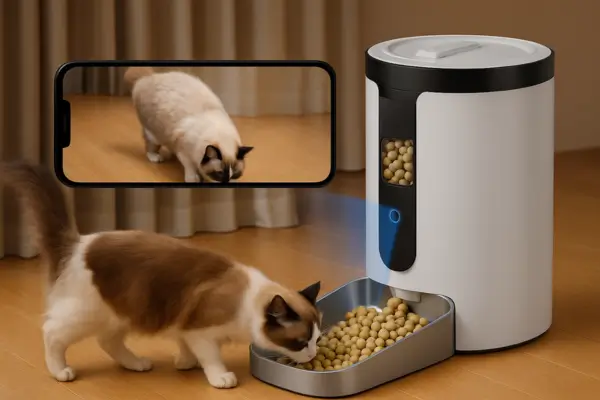
The Convenience and Popularity of Automatic Pet Feeders
In today’s fast-paced world, automatic pet feeders have become a staple in many households. They offer a reliable way to ensure pets are fed consistently—even when you’re stuck in traffic, working late, or traveling. With features like programmable meal times, portion control, voice recordings, and mobile app control, these devices help reduce stress for both pets and their owners. No more worrying about rushing home for dinner time or overfeeding during the day. It’s technology designed to support your lifestyle while keeping your furry friend happy and healthy.
Why Security Matters in Pet Tech
While the benefits are clear, there’s a side of smart pet technology that often goes overlooked: security. Since many automatic feeders connect to your home Wi-Fi and are managed through smartphone apps, they can become potential entry points for cyber threats. Hackers might gain access not just to the feeder itself, but to personal data, household routines, and even connected smart home devices. Something as innocent as a feeder could unintentionally put your privacy—or your pet’s safety—at risk if not properly secured.
Overview: What This Article Will Cover—5 Key Security Features Every Pet Owner Should Know
This article is your guide to securing your smart pet feeder. We’ll highlight the five essential security features to look for when purchasing or setting up a device. From encrypted connections to firmware update capabilities, we’ll explain why each feature matters and how it protects you. Whether you’re a first-time buyer or already using a smart feeder, these insights will help you make safer choices and ensure your pet tech is working for you—not against you.
Feature #1: Encrypted Wi-Fi and App Connection
Importance of Secure Data Transmission
Your smart pet feeder relies on Wi-Fi and mobile apps to schedule meals, adjust settings, and send alerts. This means data—like your feeding schedule, home network details, and device usage—travels between your phone and the feeder. Without encryption, that data can be intercepted. A secure, encrypted connection ensures that all commands and personal information are safely transmitted, protecting both your pet’s routine and your digital privacy.
Risks of Unsecured Connections (Hacking, Data Theft)
When a feeder operates over an unsecured network, it opens the door to potential cyberattacks. Hackers could gain access to your device and alter feeding times, disable the feeder, or even use it as a backdoor to explore other smart devices on your network. Worse, your personal data—such as your email, address, or login credentials—could be harvested and misused. These risks aren’t just technical; they can directly affect your pet’s well-being and your household’s safety.
What to Look For: SSL Encryption, Secure Login, Two-Factor Authentication
To ensure your feeder is secure, look for the following features before purchasing:
- SSL/TLS Encryption: This ensures that all communication between the app and the feeder is protected. It’s the same technology used in secure websites (you’ll often see “https” in the URL).
- Secure Login Protocols: Avoid devices that rely on default usernames or allow simple passwords. Look for feeders that require strong, unique passwords and don’t store credentials in plain text.
- Two-Factor Authentication (2FA): This adds an extra layer of protection by requiring a code sent to your phone or email when logging in. Even if someone guesses your password, they won’t be able to access the app without the second factor.
By choosing a feeder that prioritizes encrypted, secure communication, you’re not just protecting a gadget—you’re safeguarding your pet’s health and your home network
Feature #2: Reliable Locking Mechanism
Keeps Pets from Breaking In or Overeating
One of the primary concerns with automatic feeders is the temptation they present to clever pets. Some pets have a natural instinct to get to their food, even when they’re not supposed to. Without a strong locking mechanism, your feeder might end up being a challenge for your pet to break into, leading to them accessing food outside of their scheduled times. This could result in overeating, which not only disrupts their diet but can lead to obesity and other health problems.
A reliable locking mechanism ensures that the lid stays securely in place and that the pet cannot manipulate or open the feeder. This is especially important for pets that are known for their resourcefulness and love of food.
For instance, certain models have auto-lock features that kick in after the food has been dispensed, locking the compartment shut until the next scheduled meal. This mechanism can help pets that are prone to overeating or exhibiting food-seeking behavior, making sure they get their meals at the right times without getting too much at once.
Prevents Pests or Small Children from Accessing Food
Automatic pet feeders don’t just need to be secure from pets; they also need to keep the food safe from pests or even small children who might be curious. An improperly sealed feeder can quickly become an attractant for insects or rodents. If you’re dealing with any issues related to pests, a locking lid is an essential feature. It helps ensure that the food stays inside, clean, and free from contamination.
Moreover, a well-designed locking mechanism keeps the feeder safe from prying hands (or paws), whether those belong to toddlers, mischievous pets, or other household members. Small children might find it tempting to open a feeder just to see what’s inside, but a reliable lock can prevent them from spilling or snacking on your pet’s food unintentionally.
Ideal for Multi-Pet Households with Food Guarding Issues
Multi-pet households often face challenges with food guarding. Some pets are territorial about their meals, and this can lead to fighting, stress, or one pet eating all of the food, leaving others hungry. A feeder with a reliable locking system can be the solution to these issues. It can help you control exactly when and how food is dispensed to prevent multiple pets from having access to each other’s food.
For example, feeders that are RFID-enabled or pet-specific can allow only one pet at a time to access food, reducing competition and potential conflicts. In households with pets who exhibit food guarding behaviors, these feeders can also help manage the feeding process more calmly. Some feeders are even designed to only release food when a certain pet approaches, further reducing the risk of one animal eating all the food or bullying another pet during mealtime.
Additional Points to Consider:
- Automatic Dispensers: Many high-quality feeders with locking mechanisms automatically dispense food at preset times. This helps avoid the problem of one pet getting to the food early and eating too much or too often.
- Tamper-Proof Designs: Some feeders have designs that make it difficult for pets to pry open or access the compartments. These might include tightly sealed lids, secure latches, or even integrated safety features that require specific actions to open.
- Environmental Protection: A good locking system also ensures that the food is protected from environmental factors like humidity or pests, which can degrade the food quality over time. This is particularly important for wet or semi-wet foods that can spoil more easily.
Feature #3: Battery Backup for Power Outages
Ensures Uninterrupted Feeding During Blackouts
Power outages can happen unexpectedly—during storms, maintenance, or equipment failure. Without a backup system, a smart feeder that relies solely on electricity or Wi-Fi may stop working entirely, leaving your pet without food until you return home. A built-in battery backup ensures that your feeder continues to operate on schedule even if the power goes out. This feature allows meals to be dispensed as programmed, protecting your pet’s routine and avoiding skipped feedings.
Some feeders come with dual power options, allowing you to use both a wall plug and batteries. When the main power source is disrupted, the feeder automatically switches to battery mode without losing settings or meal times. This seamless transition is vital for maintaining consistency, especially for pets that thrive on a strict schedule.
Peace of Mind When Away from Home
If you’re at work, on a weekend trip, or traveling longer term, a power outage at home could go completely unnoticed—until you return to find your pet stressed or hungry. A battery backup acts as a safety net, offering peace of mind when you’re not there to monitor the situation. Even in remote areas with unstable power or spotty internet, battery-powered feeders continue to function, making them a reliable solution for pet owners who travel frequently or live in regions prone to blackouts.
Knowing your pet is still being fed—on time and without interruptions—can significantly reduce stress and allow you to focus on your activities without worrying about meal disruptions back home.
Important for Pets with Medical or Scheduled Dietary Needs
For pets with health conditions, precise meal timing isn’t just convenient—it’s critical. Diabetic pets, for example, may require feeding aligned with insulin shots. Others may need small, consistent meals throughout the day due to digestive or metabolic issues. If an outage prevents the feeder from working properly, it could lead to missed meals or delayed feeding, which can affect your pet’s health.
A reliable battery backup helps ensure your pet receives their food at exactly the right times, regardless of external power conditions. For pets on prescription diets, medication schedules, or specialized feeding plans, this backup feature isn’t just nice to have—it’s essential.
Feature #4: Tamper-Resistant Design
Prevents Accidental Opening or Tampering by Pets
Pets are naturally curious—especially when they know food is involved. Some will paw, nudge, or even headbutt their feeder in hopes of triggering an extra meal. Without a tamper-resistant design, your pet may accidentally open the feeder, knock it over, or even break into the food compartment between scheduled feedings. This not only defeats the purpose of automated feeding but can also lead to overeating or food spills.
A well-engineered feeder includes safeguards that make it difficult—if not impossible—for your pet to tamper with. From tightly sealed lids to internal locking systems, these features prevent mealtime mischief and keep your feeder working as intended.
Durable Materials and Construction
Tamper resistance isn’t just about locks—it’s also about durability. Feeder bodies made from thin plastic can crack or bend under pressure, especially if a determined pet starts to push, chew, or scratch at it. High-quality feeders are built with thick, impact-resistant materials such as ABS plastic or stainless steel, which hold up against daily wear, rough play, or a persistent pet’s best efforts.
In multi-pet households or with larger breeds, the feeder may even become a shared target. That’s why a solid, well-balanced base and reinforced structure are critical. Some models also feature non-slip rubber feet to keep the unit firmly in place, even on tile or hardwood floors.
Look for Feeders with Locking Lids and Secure Compartments
To ensure full tamper resistance, choose a feeder that includes:
- Locking Lids: These prevent the top compartment from being opened by paws, teeth, or accidental bumps. Some models include slide locks, twist lids, or button-controlled latches that only humans can operate.
- Sealed Food Compartments: Internal chambers that are difficult to reach or manipulate help keep food fresh and inaccessible between feedings.
- Protected Dispensing Mechanisms: Some feeders shield the food chute or rotating parts to keep pets from triggering early feedings or damaging the mechanism.
These physical protections work alongside the feeder’s software to create a consistent, reliable experience—one that pets can’t override with persistence or playfulness.
A tamper-resistant design adds a critical layer of protection to your automatic pet feeder. It ensures the device performs as expected, keeps your pet on a healthy schedule, and prevents costly damage or meal-time chaos. When it comes to pet tech, durability and security go hand in paw
Feature #5: App Alerts and Activity Logs
Get Notified About Missed Meals, Errors, or Low Food Levels
One of the key advantages of a smart pet feeder is real-time communication through its companion app. With app alerts, you’ll receive instant notifications on your smartphone if something goes wrong—whether it’s a missed meal, a mechanical error, or a low food supply. This feature ensures you’re always in the loop, even if you’re not home.
For example, if the feeder jams or runs out of kibble, the app can immediately alert you so you can fix the issue before your pet misses a feeding. In some feeders, you can even set up custom alert thresholds—like being notified when the hopper is only 25% full—so you’re never caught off guard.
Activity Tracking for Accountability and Peace of Mind
Beyond real-time alerts, many smart feeders include an activity log—a digital history of feedings, including exact times and portion sizes. This feature is especially helpful for households with multiple caregivers, as it ensures everyone can verify when and how much the pet has been fed. It adds a layer of accountability and transparency, reducing confusion and the risk of duplicate or missed meals.
These logs also offer peace of mind when you’re away. Whether you’re traveling, at work, or just running errands, a quick check of the app can confirm that your pet’s meals are being delivered as scheduled. Some apps even provide push notifications for each successful feeding event, keeping you informed in real time.
Helps Detect Irregular Behavior or Feeder Malfunctions Early
Over time, activity logs can also serve as a useful diagnostic tool. If your pet suddenly starts skipping meals or if the app shows irregular feeding behavior, it might indicate an issue—such as a malfunctioning feeder or even a change in your pet’s health or appetite.
For example:
- If scheduled feedings are logged but your pet isn’t eating, it may be time to check for health concerns.
- If alerts show frequent jamming or missed feedings, your feeder may need cleaning, a firmware update, or replacement.
Early detection allows you to respond proactively, ensuring that small problems don’t become big ones. In this way, app alerts and activity logs do more than keep you informed—they help you take better care of your pet.
Smart app integration transforms your feeder from a basic automation tool into a full-fledged monitoring system. Alerts and logs empower pet owners with the information they need to stay in control, spot issues early, and deliver consistent care—even from a distance.
Bonus Tip: Camera and Audio Monitoring (Optional but Helpful)
Added Security for Monitoring Pets and Surroundings
While not essential, pet feeders with built-in cameras and microphones offer an extra layer of security and convenience. These features allow you to visually monitor your pet and the area around the feeder in real time—ideal for checking if your pet is eating properly or if anything unusual is happening while you’re away. Some models even offer night vision or motion-triggered recording, giving you 24/7 visibility into your pet’s feeding zone.
This added surveillance can also help detect environmental hazards (like a knocked-over water bowl, unfamiliar movement, or other pets interfering with mealtime), allowing you to intervene quickly if needed.
Useful for Behavioral Checks and Remote Interaction
Video and audio features are more than just security tools—they’re also great for strengthening your bond with your pet when you’re not home. Through two-way audio, you can talk to your pet, calm them during stressful moments, or even train them to respond to mealtime cues. Many owners use these features to monitor behaviors such as food guarding, disinterest in meals, or anxiety when alone.
Seeing how your pet behaves around feeding time also helps you understand their health and routine better. If they’re skipping meals, pacing, or looking restless, it could signal a change in their needs or mood.
Should Include Secure Access and Privacy Controls
If your feeder includes video or audio, it’s critical to ensure that the device has robust security protocols. Any connected camera system has the potential to be hacked if not properly secured. Look for the following protections:
- Encrypted video streams (so others can’t access your feed)
- Password-protected access
- Two-factor authentication
- User permission settings, especially if multiple people have access to the app
- Privacy modes, such as the ability to turn off video/audio when not in use
While not a must-have for every pet owner, camera and audio monitoring can be a valuable bonus—especially for those with anxious pets, busy schedules, or multi-pet households. Just remember to treat video features like you would any smart home security device: keep them protected and use them responsibly.
Conclusion
Recap of the 5 Essential Security Features
Smart pet feeders are designed to make life easier—but without the right protections, they can introduce risks instead of solving problems. As we’ve covered throughout this article, security and reliability are just as important as convenience and technology. Let’s briefly revisit the five must-have features that every pet owner should prioritize:
- Encrypted Wi-Fi and App Connection
Protects your personal data and feeder access from potential hackers. Ensures that only you can control feeding times and settings remotely. - Reliable Locking Mechanism
Keeps pets from sneaking extra meals and stops pests or small children from opening the feeder, maintaining scheduled feedings and food hygiene. - Battery Backup for Power Outages
Keeps the feeder running on schedule during blackouts or electrical failures, ensuring your pet never misses a meal—even if you’re away. - Tamper-Resistant Design
Durable, pet-proof construction prevents tipping, chewing, or unauthorized access. Essential for clever pets, big breeds, and multi-pet homes. - App Alerts and Activity Logs
Real-time notifications and feeding histories provide visibility, accountability, and early detection of issues—giving you full control no matter where you are.
Camera and audio monitoring offer extra assurance and connection, allowing you to check in on your pet and feeder with eyes and ears when you’re away.
Final Reminder: Security Ensures Your Pet Is Safe and Well-Fed—Even When You’re Not Home
A secure smart feeder isn’t just a tech upgrade—it’s part of your pet’s wellness and safety routine. When meals are consistent, portions are controlled, and feeding is protected from interruption or manipulation, your pet thrives. But this only happens when the feeder is designed to guard against digital threats, power failures, and physical tampering.
Even the best feeder won’t do its job if it gets hacked, stops working during a storm, or is too easy for your pet to break into. That’s why every feature discussed here plays a vital role in keeping your pet safe, healthy, and fed—even when you’re not around.
Encourage Readers to Research and Invest in a Reliable, Secure Feeder
Before purchasing a smart pet feeder, take time to research brands carefully. Look for independent reviews, customer feedback, and specs that clearly highlight the feeder’s security features. Stick with reputable manufacturers that offer:
- Regular firmware updates
- Responsive customer support
- Transparent privacy policies
- Certified safety and encryption standards
Spending a bit more upfront on a high-quality feeder with strong security is an investment in your pet’s well-being and your own peace of mind. The right feeder doesn’t just serve food—it protects your pet’s routine, health, and safety every single day.