
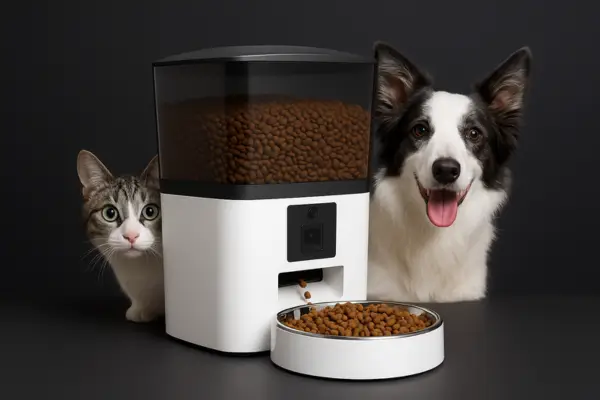
The Growing Popularity of Wi-Fi-Enabled Pet Feeders
In recent years, Wi-Fi-enabled pet feeders have transformed from luxury gadgets to everyday essentials for pet owners. These smart devices allow users to schedule meals, monitor feeding times, and even dispense food remotely through a smartphone app. For busy pet parents, frequent travelers, or anyone looking to ensure their pets are well-fed and cared for in their absence, smart feeders offer incredible convenience and peace of mind. Some models also include features like built-in cameras, voice communication, and integration with home automation systems—blurring the line between pet tech and smart home solutions.
Why Safety Concerns Are Increasing for Connected Pet Devices
However, with increased convenience comes increased responsibility. As smart pet feeders rely on internet connectivity and cloud-based apps, they also become potential entry points for cybersecurity threats. Hackers can exploit weak passwords or outdated software to gain unauthorized access—not only disrupting feeding routines but also compromising home networks and personal information. In some cases, tampering with a pet feeder can even lead to overfeeding, missed meals, or food theft by other animals in the house, which poses risks to pet health. Additionally, feeders equipped with cameras or microphones may inadvertently expose private household footage or conversations if improperly secured.
Purpose of the Article: Help Pet Owners Understand the Potential Risks and How to Protect Their Pets and Homes
This article is designed to empower pet owners with knowledge and practical advice. We’ll explore the key security risks associated with smart pet feeders and offer clear, actionable tips to protect both your pets and your home. From choosing secure devices to enabling the right privacy settings and maintaining strong passwords, you’ll learn how to enjoy the benefits of technology without compromising on safety. Whether you’re considering your first smart feeder or already using one, this guide will help you make informed decisions and build a safer digital environment for your furry companions.
What Are Wi-Fi Pet Feeders?
Overview of Smart Features (Remote Feeding, App Control, Scheduling, Cameras)
Wi-Fi pet feeders are high-tech, internet-connected devices that go beyond basic food dispensing. They’re part of a growing category of smart home gadgets designed specifically for pet care. Here are the key features most models offer:
- Remote Feeding: With the tap of a button on your smartphone, you can feed your pet no matter where you are—whether you’re in the next room or across the country.
- App-Based Control: Most feeders pair with a mobile app that gives you full control over feeding times, portion sizes, and real-time status updates. You can receive alerts if a feeding was missed or if the food supply is running low.
- Automated Scheduling: You can set multiple feeding times per day and adjust them as needed. This is ideal for pets who require strict meal routines or portion management.
- Cameras and Audio: Many advanced models include HD video cameras for live streaming and two-way audio, so you can check in, talk to your pet, or even hear if something unusual is happening at home. Some even support night vision or motion-triggered recording.
- Portion Control and Multi-User Access: Some apps allow multiple family members to manage the feeder, and more advanced models offer precise portion calibration to suit specific dietary needs.
These smart features are designed to support both pet health and owner convenience—especially for people with unpredictable schedules, frequent travelers, or pets with medical requirements.
Benefits of Convenience and Flexibility
Smart feeders solve many common problems in pet care. Here’s how they make life easier:
- Consistent Routines: Even if you work late, get stuck in traffic, or travel, your pet’s meals stay on track. This reduces stress for pets who thrive on regularity.
- Less Human Error: No more wondering, “Did I feed the dog?” The app keeps track of every feeding and alerts you to skipped or repeated meals.
- Perfect for Special Diets: Whether your pet needs weight management, frequent small meals, or medication hidden in food, smart feeders make it easy to customize and monitor.
- Peace of Mind: Being able to see your pet, talk to them, and know they’re being fed properly—even when you’re far from home—gives owners unmatched reassurance.
- Support for Multi-Pet Homes: Some models are designed to prevent food stealing between pets, using barriers or microchip detection to ensure the right pet eats the right food.
How They Connect to Your Home Network
The “smart” in smart feeders comes from their connection to your home’s Wi-Fi. Here’s how it works:
- Wi-Fi Setup: When setting up the device, you typically use your phone to connect the feeder to your 2.4GHz Wi-Fi network (some support dual-band, but 5GHz is still uncommon).
- App Integration: Once connected, the feeder links to a cloud-based server managed by the manufacturer. Through their mobile app, you can manage feeding settings, view camera footage (if available), and receive notifications.
- Cloud Connectivity: Because the feeder operates via the internet, it syncs with your smartphone even if you’re on mobile data or another Wi-Fi network. It also means that updates, diagnostics, and features like video storage often rely on cloud services.
- Smart Home Compatibility: Some feeders integrate with platforms like Alexa or Google Home, allowing voice commands or automation (e.g., “Feed the cat at 7 PM every day”).
While this connection is what enables remote control and smart features, it also introduces potential risks like hacking, signal disruption, or privacy concerns—topics covered in later sections of the article.
What Are the Potential Risks?
While Wi-Fi pet feeders offer unmatched convenience, they also come with certain risks that pet owners should be aware of. These smart devices rely on internet connectivity, cloud-based apps, and even built-in cameras—all of which can become points of vulnerability if not properly secured. Understanding these risks is the first step to protecting both your pet and your home.
Cybersecurity Vulnerabilities
Like any internet-connected device, smart feeders can become targets for hackers—especially if the network or device settings are not secure.
- Unsecured Networks: If your home Wi-Fi lacks a strong password or encryption, it can be exploited by cybercriminals to gain access not only to the feeder but to other smart devices and personal data within the network.
- App Exploits: Poorly designed or outdated apps may allow unauthorized access. In worst-case scenarios, hackers could take control of the feeder, changing feeding schedules or even using the app as a backdoor into your broader smart home system.
- Data Theft: Some feeders collect and store personal data (account details, video footage, feeding history) in the cloud, making it a potential target for data breaches.
Feeding Malfunctions
Smart technology isn’t immune to technical hiccups, and in a pet’s routine, even minor disruptions can have serious consequences.
- Missed Feedings: If your internet goes down or the app crashes, the feeder might fail to dispense food at scheduled times—leading to skipped meals, especially for pets that rely on timed medication or small, frequent portions.
- Overfeeding or Repetition: On the other hand, connectivity glitches or repeated app commands could trigger multiple feedings in a row, resulting in overfeeding or food waste.
- Firmware Bugs: Outdated or poorly updated firmware may cause the device to behave unpredictably—such as ignoring schedules, misreporting food levels, or freezing altogether.
Privacy Concerns
Many smart feeders now include built-in cameras and microphones to allow owners to check in on their pets remotely. However, these features also raise important privacy and security concerns:
- Unauthorized Access: If the camera feed is not encrypted or secured with a strong password, hackers could gain access and spy on your home without your knowledge.
- Unintended Surveillance: Some devices auto-upload footage to the cloud, which could be at risk of breach or misuse if the manufacturer lacks strong data protection protocols.
- Microphone Eavesdropping: Two-way audio, while convenient, also opens up the possibility for outsiders to listen in or communicate if the system is compromised.
Dependency on Power and Internet
Wi-Fi feeders are highly dependent on both electricity and a stable internet connection. If either fails, so might your pet’s feeding routine:
- Power Outages: Most feeders require electricity to function. If the power goes out and the device doesn’t have a battery backup, your pet could miss a meal entirely.
- Wi-Fi Disruptions: Many feeders won’t follow commands or allow schedule changes during connectivity interruptions. In some cases, even pre-set schedules might be affected if the device cannot sync with the cloud.
- Delayed Notifications: Without a connection, the feeder may not send alerts to your phone, leaving you unaware of an issue until you return home.
How to Protect Your Wi-Fi Pet Feeder
Wi-Fi-enabled pet feeders can be a great addition to your home—if they’re properly secured. Like any smart home device, they require a proactive approach to cybersecurity and maintenance. Below are essential steps every pet owner should take to protect their device, their data, and their pets.
Choose Secure, Reputable Brands
Not all smart feeders are created equal. Choosing a reputable brand is the first—and arguably most important—step toward ensuring safety.
- Look for Regular Firmware Updates: A quality manufacturer will provide ongoing software and firmware updates to fix bugs, add features, and patch security vulnerabilities.
- Data Encryption: Ensure the feeder uses encrypted connections (HTTPS, SSL/TLS) to transmit data between the device, the app, and the cloud.
- User Reviews & Tech Certifications: Read verified customer reviews on trusted platforms and check for third-party security certifications, especially for feeders with cameras or voice features.
- Transparent Privacy Policies: Reputable brands are clear about how your data is stored, used, and protected.
Tip: Avoid “no-name” brands with little to no customer support or update history—they may cut corners on security.
Set Strong Passwords and Enable Two-Factor Authentication
Default login credentials are one of the easiest targets for hackers. Strengthening account access is a simple but powerful step:
- Create Unique Passwords: Avoid using the same password across multiple devices or accounts. Use a mix of uppercase, lowercase, numbers, and symbols.
- Change Default Logins: Always update the default username and password immediately after setup.
- Enable Two-Factor Authentication (2FA): If supported, 2FA adds an extra layer of protection by requiring a secondary code (usually sent via SMS or app) to log in—even if your password is compromised.
Keep Firmware and Apps Updated
Regular updates are your best defense against evolving cyber threats:
- App Updates: Always install the latest version of the app on your smartphone to benefit from security patches and performance improvements.
- Firmware Updates: Check the feeder settings for firmware update options. Some devices auto-update; others require manual confirmation.
- Enable Notifications: Allow push notifications or email alerts from the manufacturer so you’re informed of critical security updates or recalls.
Bonus: Updated apps often include new features, like feeding insights or smarter AI detection.
Use a Secure Wi-Fi Network
Your home Wi-Fi is the gateway to all connected devices—secure it well.
- Set a Strong Wi-Fi Password: Avoid common or easy-to-guess passwords like “12345678” or “admin2023.”
- Enable WPA3 or WPA2 Encryption: Make sure your router is using modern encryption standards to block unauthorized access.
- Create a Guest Network: Place smart devices like feeders on a separate guest network. This limits exposure if one device is compromised.
- Use Firewalls and Disable Remote Access: Enable router firewalls and disable remote access features you don’t need.
Monitor and Test the Device Regularly
Even with security settings in place, it’s important to keep an eye on how your device performs over time.
- Review Feeding Logs Weekly: Check for any missed or duplicate feedings, especially if you’re not home to observe.
- Monitor Connection Strength: Weak signals can cause delays or malfunctions. Move the feeder closer to your router or use a Wi-Fi extender if needed.
- Test Cameras and Audio Access: Periodically log in from a different device or network to ensure no unauthorized access has occurred.
- Audit Device Access: Some apps show which devices are connected—remove unknown or suspicious entries immediately.
Are Wi-Fi Feeders Safe Overall?
When Used Properly, They Can Be Safe and Reliable
Wi-Fi-enabled pet feeders are built to simplify your pet care routine—and when used correctly, they’re generally safe and dependable. Reputable manufacturers design these devices with safety in mind, incorporating features like secure cloud connectivity, scheduling safeguards, and food-dispensing failsafes. Many smart feeders are equipped to handle interruptions, offering:
- Backup feeding schedules stored locally in the device (in case of temporary disconnection)
- Low food alerts to prevent missed meals
- Manual feed buttons as an emergency option
- Battery backups to keep operations running during power outages (on select models)
However, the safety and reliability of any smart feeder largely depend on how it’s managed. An improperly configured feeder—like one left on default passwords, or never updated—can become a liability rather than an asset.
Weighing Convenience vs. Risk for Your Lifestyle
Smart feeders offer major perks—automated feeding, remote monitoring, multi-pet controls, and feeding reports—but they may not be right for everyone.
- Ideal for:
- Pet owners with busy or inconsistent schedules
- Frequent travelers
- Tech-savvy users who already manage smart home devices
- Multi-pet homes needing portion or access control
- Pets on strict feeding routines or medical diets
- Pet owners with busy or inconsistent schedules
- Possible drawbacks:
- Dependence on stable Wi-Fi and power
- Privacy concerns if cameras/mics aren’t properly secured
- App-based reliance—if the app malfunctions, it may delay feeding
- Learning curve—some devices have complex setup or limited customer support
- Dependence on stable Wi-Fi and power
Choosing whether to use a Wi-Fi feeder should be based on your specific routine, your home’s tech infrastructure, and your comfort with managing connected devices. For some, a non-Wi-Fi automatic feeder with mechanical timers might offer enough convenience with fewer risks.
Importance of Combining Tech with Responsible Pet Care Practices
Technology should enhance—not replace—your attention and care. No feeder can detect if your pet is feeling sick, not eating, or behaving oddly. That’s your job as a pet parent. Even the most secure, high-tech device still requires human oversight.
Here’s how to balance smart tech with hands-on care:
- Check your feeder daily. Make sure it’s stocked, clean, and functioning.
- Watch your pet eat (when possible). Ensure food is dispensed and consumed properly.
- Maintain hygiene. Clean the food bowl and internal components regularly to prevent mold or bacteria.
- Observe your pet’s behavior. A drop in appetite or weight could signal health issues—not a device error.
- Stay involved. Use the app to track trends, but trust your own observations more than software alerts.
Consider pairing a smart feeder with a pet camera—not just for peace of mind, but to observe your pet’s mealtime behavior and catch any issues early.
Conclusion
Recap of the Benefits and Potential Risks of Wi-Fi Pet Feeders
Wi-Fi pet feeders offer a powerful combination of convenience, consistency, and peace of mind. With features like remote feeding, customizable schedules, app-based monitoring, and built-in cameras, they’ve made it easier than ever to care for pets—even from a distance. However, like all smart devices, they come with potential risks—cybersecurity vulnerabilities, feeding malfunctions, privacy concerns, and dependency on internet and power.
When used correctly, these risks can be significantly reduced, allowing pet owners to enjoy the full benefits of smart feeding without compromising their pets’ safety or their own digital privacy.
Final Advice: Stay Informed, Stay Secure, and Choose Smart
Technology can be a great ally in pet care, but it’s not foolproof. The key is to remain proactive and informed:
- Choose well-reviewed, reputable products with secure app platforms and regular updates.
- Take security seriously—use strong passwords, keep devices and apps updated, and secure your home network.
- Stay engaged with your pet’s feeding habits, behavior, and device performance. Automation should complement, not replace, responsible pet parenting.
Protect Your Pet and Home with the Right Tools and Habits
If you’re considering a Wi-Fi pet feeder—or already own one—now is the perfect time to evaluate its safety and functionality. Make sure it’s configured correctly, check for firmware updates, and review your network security settings. Most importantly, stay involved and observant.
By combining smart tools with smart habits, you’ll not only protect your pet—you’ll enhance their quality of life and your peace of mind.