
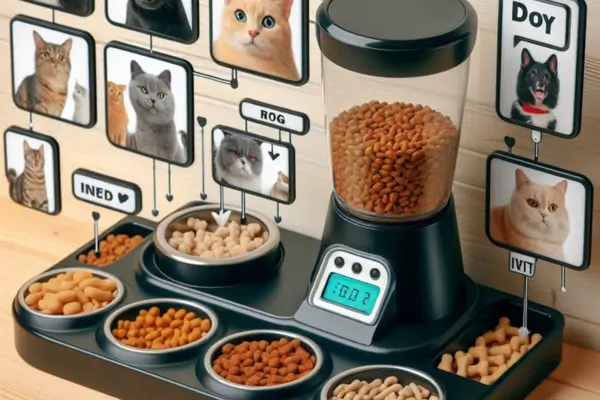
As pet parents, we do everything we can to keep our furry companions happy and healthy—from feeding them the right food to making sure they get plenty of exercise and love. But there’s one simple habit that often gets overlooked: keeping their pet feeder clean.
A clean pet feeder plays a crucial role in your pet’s overall health. Over time, leftover food particles, saliva, and moisture can build up inside feeders, creating the perfect environment for harmful bacteria, mold, and even pests. These contaminants can lead to serious health issues such as upset stomach, vomiting, diarrhea, and infections that are entirely preventable.
The good news? You don’t need to spend hours scrubbing or invest in fancy equipment to keep your pet safe. With just a few minutes a day or a regular weekly cleaning routine, you can dramatically reduce health risks and extend the life of your feeder. This blog will walk you through why cleanliness matters, how to clean your pet feeder quickly and effectively, and the best practices to make it part of your daily care routine.
A small habit can make a big difference—starting with a clean bowl for a healthier, happier pet.
Not Cleaning the Feeder Regularly
Many pet owners don’t realize how quickly pet feeders can become unsanitary when not cleaned often. What seems like a harmless oversight—skipping a day or two—can actually lead to serious consequences for your pet’s health. Food residue, drool, and moisture combine to create the perfect breeding ground for bacteria, mold, and even insects. Over time, this buildup can affect not only your pet’s digestion but also their appetite and behavior.
Why Daily or Weekly Cleaning Matters
Consistency is key when it comes to feeder hygiene. For pets that eat wet food or have water dispensers, daily cleaning is essential to prevent bacterial growth and food spoilage. Even dry food can leave behind crumbs and oils that turn rancid if left unchecked. For automatic pet feeders, a weekly deep clean is typically enough to keep things fresh and functional, especially if you’re refilling it regularly.
Cleaning doesn’t just keep your feeder looking good—it ensures that every meal your pet eats is safe. Dirty feeders can cause your pet to develop stomach issues, allergic reactions, or even infections, many of which can be avoided with a simple rinse and wipe-down.
Tip: Set a Schedule or Reminder
Life can get busy, and it’s easy to forget about the feeder in the middle of daily routines. That’s why creating a cleaning schedule is a great way to stay on track. Try setting a weekly alarm on your phone or jotting it down in your planner. You can also pair feeder cleaning with another regular chore—like doing the laundry, taking out the trash, or feeding your pet itself—so it becomes a habit.
There are even pet care apps available that let you set hygiene reminders. These small nudges can make a big difference in ensuring your feeder stays safe and your pet stays healthy. After all, prevention is always easier than dealing with a sick pet.
Taking just a few minutes to clean your feeder regularly can add up to a lifetime of better health and happiness for your pet.
Using Harsh or Toxic Cleaning Products
When cleaning your pet’s feeder, it’s natural to want to disinfect it thoroughly—but using strong household cleaners can do more harm than good. Many common cleaning products contain chemicals that are dangerous for pets, especially when ingested in even the smallest amounts. Residue left behind on food bowls or automatic feeder parts can pose serious health risks to your furry friend.
Dangers of Chemicals for Pets
Pets are much more sensitive to toxins than humans. Ingredients like bleach, ammonia, and certain disinfectants may be effective at killing bacteria, but they can also be harmful if not completely rinsed off. Ingesting chemical residue can lead to symptoms like vomiting, diarrhea, drooling, mouth irritation, or even organ damage in severe cases.
Additionally, pets often lick their bowls clean or chew on feeder edges, making it easy for them to consume any leftover cleaning agents. That’s why it’s essential to choose the right cleaning methods that are tough on germs but gentle and safe for your pet.
Tip: Use Pet-Safe or Natural Cleaners
To avoid unnecessary risks, stick with pet-safe cleaning products or make your own natural cleaner at home. Warm water and mild dish soap are usually more than enough for everyday cleaning. For a natural disinfecting solution, try mixing equal parts white vinegar and water—it’s effective, safe, and eco-friendly.
Look for cleaning products specifically labeled as pet-safe, and always rinse thoroughly after cleaning. If you’re using an automatic feeder with electronic components, be sure to check the manufacturer’s guidelines for safe cleaning instructions.
By choosing the right cleaning products, you protect your pet from exposure to harmful chemicals while still maintaining a hygienic feeding environment. A clean and safe feeder means every meal is worry-free—for both of you.
Forgetting to Clean Hard-to-Reach Areas
When cleaning your pet’s feeder, it’s easy to focus on the obvious spots—the bowl or the food compartment. But what often gets overlooked are the tight corners, crevices, and hidden components where bacteria love to hide. These hard-to-reach areas can silently harbor food particles, moisture, and germs that contribute to bad odors, contamination, and even feeder malfunctions over time.
Bacteria Can Build Up in Hidden Spots
Even if the main surfaces look clean, germs can thrive in feeder seams, under removable trays, and around electronic sensors or dispensers. These neglected areas often stay damp and warm—perfect conditions for mold and bacterial growth. If not cleaned regularly, this buildup can affect food quality, make your pet sick, and reduce the feeder’s lifespan.
Automatic feeders, in particular, have more intricate parts where crumbs and oils from dry food can collect. These hidden messes not only affect hygiene but may also cause blockages or interfere with the feeder’s functionality.
Tip: Use Brushes or Q-Tips for Corners and Sensors
To ensure a truly thorough clean, don’t skip the nooks and crannies. Use small tools like soft-bristled brushes, toothbrushes, or Q-tips to clean tight corners and around sensors or buttons. For feeders with removable parts, take them apart fully when possible and check manufacturer instructions for the best way to reach internal components safely.
A gentle wipe with a damp cloth can clean most surfaces, but a little extra attention to the hidden spots can go a long way in maintaining cleanliness and preventing germs from creeping back in.
By being thorough and intentional—even in the smallest corners—you help create a cleaner, safer feeding experience for your pet, every time.
Ignoring the Water Dispenser or Bowl
While many pet owners are diligent about cleaning food bowls and feeders, the water dispenser or bowl is often overlooked—yet it’s just as important, if not more. Fresh, clean water is essential for your pet’s hydration and overall health, but when the water container isn’t cleaned regularly, it can quickly become a source of bacteria and grime.
Mold and Slime Risks
Water bowls and dispensers are prone to a buildup known as biofilm—a slimy layer of bacteria that clings to surfaces and thrives in moist environments. Left untreated, this slime can lead to mold growth, unpleasant odors, and water that tastes bad to your pet. Over time, contaminated water can cause digestive issues, infections, or even discourage your pet from drinking enough, especially in warmer months when hydration is critical.
Automatic water dispensers can also hide buildup in tubes or reservoirs that aren’t visible, making regular cleaning even more crucial.
Tip: Clean Water Containers as Often as Food Ones
To keep your pet’s water safe and fresh, clean water bowls and dispensers just as frequently as food containers—ideally every day. Use warm water and mild, pet-safe soap, and rinse thoroughly to remove any residue. If you’re using a filtered or automatic dispenser, follow the manufacturer’s instructions for proper disassembly and deep cleaning at least once a week.
Also, check for any signs of slime or discoloration, especially around the edges or in hidden parts. A quick daily rinse and a scheduled weekly scrub can keep your pet’s water clean, cool, and inviting.
By giving equal attention to both food and water hygiene, you help protect your pet from preventable health risks and ensure they always have access to safe, clean hydration.
Skipping the Feeder’s Sensors and Electronics
Many modern automatic pet feeders come with advanced features like portion control, motion sensors, timers, and even app connectivity. These smart functions are incredibly helpful—but only if they work properly. Unfortunately, one common mistake pet owners make is overlooking the electronics and sensors during cleaning.
Dirt Buildup Can Affect Functionality
Over time, dust, pet hair, food particles, and moisture can accumulate around the feeder’s sensors, buttons, and electronic components. This buildup might seem minor, but it can interfere with proper functioning—causing missed feedings, incorrect portioning, or device malfunctions. Sensors may stop detecting movement, buttons may become unresponsive, and internal systems can suffer from excess moisture or grime.
In worst-case scenarios, neglecting these areas can shorten the lifespan of your feeder or lead to costly repairs and replacements.
Tip: Gently Wipe With a Dry or Lightly Damp Cloth
To keep your feeder running smoothly, it’s important to regularly clean the sensors and electronics—but gently. Avoid using excess water or harsh cleaners near any digital or electrical parts. Instead, use a soft, dry cloth or a cloth that’s only lightly dampened with water. Microfiber cloths are ideal for picking up dust and fine particles without scratching surfaces.
Make sure the feeder is unplugged or turned off before cleaning these areas. Carefully wipe around buttons, screens, or sensors, and let everything dry fully before reconnecting to power.
By giving attention to these often-skipped areas, you’ll maintain your feeder’s performance and reliability—ensuring your pet never misses a meal due to a preventable technical issue.
Not Drying Completely Before Reassembly
After cleaning your pet feeder, it might be tempting to reassemble everything quickly and move on—but skipping the drying step can lead to more harm than good. Leaving parts damp or putting them back together before they’re fully dry can create serious problems, both for your pet’s health and the functionality of your feeder.
Moisture Can Lead to Mold or Electronic Damage
Moisture that’s trapped inside feeder parts—especially in tight spaces, hinges, or underneath trays—creates the perfect environment for mold, mildew, and bacterial growth. These contaminants can make your pet sick and contribute to unpleasant odors or discoloration. In automatic feeders, leftover water can also seep into electronic components, leading to malfunctions, corrosion, or permanent damage.
Even small amounts of dampness that seem harmless can gradually cause issues over time, especially if your feeder is reassembled and sealed shut while still wet.
Tip: Air-Dry Fully or Use a Clean Towel
To prevent these problems, make sure every part is completely dry before reassembly. After washing, place the pieces on a drying rack or clean surface and allow them to air-dry naturally. If you’re short on time, use a lint-free clean towel to gently dry each component—especially around edges, seams, and electrical areas.
Pay extra attention to any grooves, latches, or hidden corners where water might collect. For parts near electronic sensors, avoid using water at all and instead wipe with a barely damp cloth followed by a dry one.
Taking a few extra minutes to dry everything thoroughly is a simple step that goes a long way in protecting your pet, preserving your equipment, and ensuring your feeder remains clean, safe, and fully functional.
Neglecting to Read the Manufacturer’s Instructions
In our eagerness to set up and start using a new pet feeder, it’s easy to skip over the instruction manual. However, not taking the time to understand the manufacturer’s guidelines can lead to improper cleaning, damage to the feeder, or voided warranties. Each feeder model is designed differently—and what works for one may not be safe or effective for another.
Each Feeder May Have Unique Parts or Rules
Automatic feeders often include electronic components, removable trays, rotating mechanisms, or built-in sensors that require special care. Some parts may be dishwasher-safe, while others should only be hand-washed. Certain cleaners or tools might be too abrasive or harsh for specific materials. And when it comes to disassembling or cleaning around delicate sensors, knowing what’s safe to touch—and what isn’t—can make a big difference in the feeder’s longevity and performance.
Ignoring these details can result in accidental damage, cause the feeder to malfunction, or even lead to health risks for your pet if key areas aren’t cleaned correctly.
Tip: Follow the Manual for Best Care
To avoid guesswork, always read and follow the manual that comes with your feeder. Look for the sections on cleaning, maintenance, and troubleshooting. Most manufacturers provide step-by-step guidance on how to disassemble, clean, and reassemble each part properly. If you’ve misplaced the manual, many brands offer downloadable PDFs on their websites.
Following these instructions ensures you’re cleaning effectively without damaging sensitive components. It also helps you maintain your warranty coverage and keep your feeder running smoothly for the long haul.
Taking a few minutes to understand your feeder’s specific care requirements is a smart move that pays off in reliability, hygiene, and peace of mind—for both you and your pet.
Conclusion
Maintaining a clean pet feeder is one of the simplest yet most impactful ways to protect your pet’s health. While it’s easy to assume that occasional rinsing is enough, the reality is that feeders—especially automatic ones—can collect bacteria, mold, leftover food residue, and even harmful chemicals if not properly maintained.
- In this guide, we’ve explored the top cleaning mistakes that pet owners often make:
- Not cleaning regularly enough, leading to bacteria buildup
- Using harsh or toxic cleaners that can harm your pet
- Forgetting hard-to-reach areas where mold and food residue hide
- Ignoring the water dispenser, which can develop slime and bad odors
- Skipping the delicate electronics and sensors, which affects feeder performance
- Reassembling the feeder before it’s completely dry, causing mold or damage
- Not following the manufacturer’s instructions, resulting in improper care or malfunctions
Thankfully, every mistake comes with a simple fix. Whether it’s setting a reminder on your phone, switching to pet-safe cleaning products, or taking a few extra minutes to dry each part, these small habits make a huge difference. Not only will you extend the life of your feeder, but you’ll also create a safer, healthier environment for your pet.
Now is the perfect time to take action. Look at your current cleaning routine—are you hitting all the key areas? Are you staying consistent week after week? If not, don’t worry. With just a few easy changes, you can get back on track and stay there.
Remember: Your pet depends on you for more than just food—they rely on you for safety and care. A clean feeder is a small but powerful way to show that love and responsibility.
Take 10 minutes today to clean your feeder the right way—and give your pet the fresh, safe meals they deserve. A little effort now leads to a lifetime of healthier, happier feeding.