
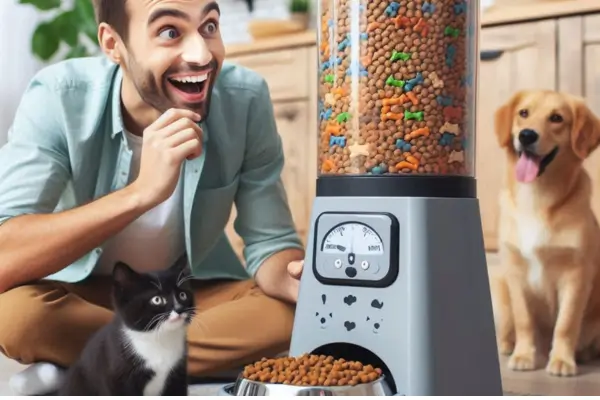
Automatic pet feeders have become a game-changer for modern pet parents. These devices offer convenience, consistency, and peace of mind—ensuring your pet gets their meals on time, even when you’re away or busy. Whether you’re managing a hectic schedule or simply want to maintain a regular feeding routine, an automatic feeder can make life easier for both you and your furry companion.
But while these smart devices simplify feeding, one thing that should never be overlooked is hygiene. Just like human dishes, pet feeders come into daily contact with food, moisture, and bacteria. Without regular cleaning, harmful germs can build up—posing a risk to your pet’s health and affecting the freshness of their meals.
In this article, we’ll walk you through the importance of keeping your pet feeder clean, the tools you’ll need, and a quick, step-by-step guide to get it done in just five minutes. Whether you’re a new pet parent or a seasoned one looking to upgrade your routine, this guide will help you keep your feeder—and your pet—happy, healthy, and safe.
Why Cleanliness Matters for Pet Feeders
Automatic pet feeders are a fantastic tool for busy pet parents—they help maintain consistent feeding times and portion sizes, even when you’re not at home. But just like any kitchen appliance, they need to be cleaned regularly. Ignoring cleanliness can lead to a variety of problems for both your pet’s health and the performance of the feeder. Let’s explore why keeping your pet feeder clean is absolutely essential.
Prevents Bacterial Buildup and Mold
Every time your pet eats, small bits of food and saliva can remain inside the bowl, dispenser, or food storage area. Add in a bit of moisture or warmth, and you’ve got the perfect environment for bacteria, mold, and yeast to grow. These contaminants can multiply quickly, especially if you’re using the feeder daily without cleaning it in between. While they may not always be visible, they can create biofilm—a slimy layer that clings to surfaces and harbors germs.
Cleaning your pet feeder regularly helps eliminate these health hazards before they affect your pet. It’s a simple act that dramatically reduces the risk of illness caused by unsanitary feeding conditions.
Protects Your Pet’s Health and Digestion
Your pet’s digestive system is sensitive, and feeding from a dirty container can lead to a range of health issues—ranging from mild stomach upset to more serious infections. Contaminated food or dishes can introduce harmful bacteria like Salmonella, E. coli, or mold spores that trigger vomiting, diarrhea, and decreased appetite.
In some cases, repeated exposure to dirty feeders can even lead to long-term gut inflammation or weakened immune responses. Keeping the feeder clean ensures that your pet always eats from a sanitary source, giving them the best chance at a healthy, happy life.
Ensures Accurate Food Dispensing
One of the key benefits of automatic pet feeders is the ability to serve precise portions at scheduled times. However, when food residue, grease, or crumbs build up inside the dispensing mechanism, it can interfere with performance. The result?
Food may not dispense properly, meals might be skipped or overfilled, or the feeder could jam altogether. This inconsistency can disrupt your pet’s feeding routine and cause stress, especially for pets with specific dietary needs. A clean, obstruction-free feeder helps ensure that food is dispensed accurately and reliably every time.
Extends the Life of the Device
Automatic feeders are an investment—some are simple in design, while others include timers, sensors, voice commands, and even cameras. No matter the type, regular cleaning plays a crucial role in keeping the device functional over the long term.
Dust, crumbs, and moisture can wear down internal components, corrode electrical contacts, or clog moving parts. Neglecting maintenance can shorten the feeder’s lifespan and lead to costly repairs or early replacement. By taking a few minutes to clean it regularly, you’ll not only protect your pet but also get more value and longevity out of the product.
Risks of a Dirty Pet Feeder
Automatic pet feeders offer a lot of convenience—but when they’re not cleaned regularly, they can turn into a hidden hazard. What looks like a harmless food dispenser can actually become a breeding ground for bacteria, a magnet for pests, and a source of mechanical issues that affect feeding. Let’s take a closer look at the real risks of neglecting your pet feeder’s hygiene.
Common Bacteria and Pests That Can Develop
Food residue, moisture, and pet saliva that linger in or around the feeder create the ideal conditions for bacteria to thrive. Harmful pathogens like Salmonella, Listeria, and E. coli are some of the most common culprits—and they don’t need much time or visibility to start growing.
In addition to bacteria, dirty feeders can attract unwanted pests such as ants, roaches, and even rodents. These pests are drawn to leftover food particles and can contaminate the feeder with droppings, germs, and other debris. Once inside the feeder or food storage compartment, they can spread contamination to every meal your pet consumes.
Impact on Pet Health (Vomiting, Diarrhea, Illness)
When a feeder is dirty, every meal that passes through it becomes a potential risk to your pet’s health. Bacterial contamination or mold exposure can lead to a variety of symptoms, including vomiting, diarrhea, loss of appetite, lethargy, and more serious digestive issues.
Pets with sensitive stomachs, allergies, or compromised immune systems are especially vulnerable. Even a healthy pet can suffer if they’re repeatedly exposed to harmful microbes. Over time, poor feeding hygiene can weaken their immune system and cause recurring health problems that require frequent vet visits.
Potential Feeder Malfunctions Due to Residue or Blockages
Aside from health concerns, a dirty pet feeder can also lead to mechanical problems. Greasy residue, crumbs, and dust can build up in the dispenser’s moving parts, sensors, or motor. This can cause the feeder to jam, overfeed, underfeed, or stop working altogether.
In more advanced models, food debris may interfere with features like portion control, timers, or voice controls. Malfunctions like these not only disrupt your pet’s feeding schedule but can also be frustrating and costly to fix. Many of these issues can be prevented with a simple, regular cleaning routine.
How Often Should You Clean It?
Knowing how often to clean your automatic pet feeder is just as important as knowing how to clean it. A consistent cleaning schedule keeps your feeder functioning properly and your pet safe from harmful bacteria or mold. The frequency can vary depending on your setup, but here are some helpful guidelines.
General Cleaning Frequency
To maintain proper hygiene and performance, follow this general cleaning schedule:
Daily: Wipe down the food bowl and any areas where food is exposed. This helps remove leftover crumbs, oil, and moisture before bacteria can grow.
Weekly: Do a more thorough cleaning of all removable parts—such as the bowl, hopper, lid, and dispensing components—with warm, soapy water. Rinse well and dry completely.
Monthly: Deep clean the entire unit, including internal surfaces and sensors if accessible. Check for hidden buildup, clean vents or seams, and inspect for any signs of mold, pest activity, or mechanical wear.
Regular maintenance ensures meals are safe, devices stay reliable, and feeding remains stress-free.
Factors That Affect Cleaning Needs
While the above schedule is a good starting point, several factors may require you to clean more frequently:
- Wet vs. Dry Food: If you’re using wet or semi-moist food in your feeder, you’ll need to clean it daily, as this type of food spoils quickly and leaves behind sticky residue. Dry kibble feeders can be cleaned less often but should still follow a weekly wash schedule.
- Pet Type: Some pets are messier eaters than others. Dogs that drool or cats that paw at their food may cause more spillage and buildup, requiring more frequent cleaning.
- Climate and Humidity: In warm or humid climates, bacteria and mold can grow faster. If you live in a tropical or moisture-prone area, consider increasing your cleaning frequency to prevent microbial buildup.
- Multiple Pets: If multiple pets share the same feeder, contamination is more likely, and cleaning should be done more often to avoid cross-contamination and food residue buildup.
Tips for Proper Cleaning
Keeping your pet feeder clean not only ensures your pet stays healthy but also helps extend the life of the device. Whether it’s a basic gravity feeder or a high-tech automatic model, proper cleaning is essential. Here’s everything you need to know to do it right—safely, efficiently, and without damaging the unit.
Step-by-Step Cleaning Guide
- Follow these quick and effective steps to clean your pet feeder properly:
- Unplug the feeder (or remove batteries if applicable) to avoid electrical issues.
- Disassemble all removable parts, such as the food tray, lid, and food container.
- Wash the removable parts in warm, soapy water using a soft sponge or cloth. This removes food residue, oils, and bacteria.
- Rinse thoroughly to ensure no soap residue remains, as it can affect your pet’s food.
- Wipe down the main unit with a damp cloth. Be cautious around buttons, sensors, and other electronic components—never soak or rinse the main housing.
- Dry all parts completely, either with a clean towel or by air drying.
- Reassemble the feeder once all parts are dry and plug it back in or reinstall the batteries.
- This whole process should take around five minutes once you get used to it!
Safe Cleaning Products to Use
- Always opt for pet-safe and food-safe cleaning options, such as:
- Mild dish soap (unscented and non-toxic)
- Warm water
- White vinegar (diluted for natural disinfecting)
- Pet-safe surface wipes (great for quick touch-ups)
- Soft brushes or sponges (non-abrasive to protect the feeder’s surface)
- Avoid anything with strong fragrances or harsh antibacterial agents, as they may leave harmful residues or irritate your pet’s nose or digestive system.
What to Avoid
- Avoid these common mistakes to prevent damage to your feeder and protect your pet:
- Harsh Chemicals or Bleach: Strong cleaners can leave behind toxic residues. Even if rinsed, they can pose a risk when your pet’s food comes into contact with the surface.
- Submerging Electronics: Never immerse the entire feeder in water, especially if it has electrical or digital parts. Water damage can ruin the internal components and void warranties.
- Scrubbing with Abrasive Materials: Steel wool or rough brushes can scratch the feeder’s surface, creating grooves where bacteria can hide and grow.
- Skipping Routine Cleaning: Don’t wait until the feeder looks dirty. Bacteria and mold can start forming before it’s visibly noticeable.
Signs Your Feeder Needs Cleaning
Even with the best intentions, it’s easy to forget when your pet feeder last had a deep clean—especially when it still looks “good enough” at first glance. However, just like any kitchen appliance, your pet’s feeder can quietly collect residue, bacteria, and mold over time. Recognizing the early warning signs that your feeder needs attention can help prevent health problems and keep your pet eating happily and safely.
Foul Odors
One of the most common and noticeable red flags is an unpleasant smell coming from the feeder. If you detect a sour, musty, metallic, or rotten scent near your pet’s feeding area, it’s likely that food particles, moisture, or bacteria have built up inside the machine.
Even dry kibble can release oils that turn rancid over time if not cleaned out regularly. These odors don’t just affect your home—they can also discourage your pet from eating. Pets are especially sensitive to smell, and a dirty feeder can completely change their appetite or routine. If your nose crinkles when you walk by, take it as a clear sign to clean immediately.
Discolored Food or Residue Buildup
Your pet’s food should look fresh, dry, and consistent. If you start noticing any discoloration, unusual clumping, or moisture in the kibble, it could be due to contamination inside the feeder. Often, residue from old food—especially in automatic dispensers—can stick to the interior surfaces, leading to cross-contamination with newer food.
Over time, this residue builds up as a sticky film or hardened crust that traps bacteria and mold. You might also notice oily patches, crumbs collecting in corners, or dust-like particles stuck around the chute or feeding tray. All of these are signs that cleaning is overdue. Left unaddressed, they could cause food to spoil faster and even make your pet sick.
Unusual Behavior from Your Pet Around the Feeder
Your pet may notice a problem before you do. Animals are highly intuitive and sensitive to changes in their environment, especially when it comes to food. If your dog or cat suddenly starts avoiding the feeder, eating less, sniffing and walking away, or displaying hesitation or discomfort near the device, it could be a direct reaction to something wrong with the feeder.
Maybe the food tastes different because of contamination, or the feeder smells off due to bacteria or mold. Some pets may paw at the feeder, try to tip it over, or bark/meow at it—signs that they’re confused or distressed. Pay close attention to these behavioral changes; they’re often your pet’s way of communicating that something isn’t right.
Maintenance Best Practices
Keeping your pet feeder clean is only part of the equation—proper maintenance ensures it stays functional, safe, and reliable over time. Whether you use a simple gravity feeder or a high-tech automatic model with smart features, following these best practices will help you avoid malfunctions, extend the feeder’s life, and protect your pet’s health. Here’s how to stay on top of maintenance with minimal effort.
Routine Inspection Checklist
A quick inspection every few days or at least once a week can help catch small issues before they become big problems. Here’s a simple checklist to follow:
- Check the food bowl and tray for residue, crumbs, or oil buildup.
- Inspect the food storage area for expired food, moisture, or clumping.
- Look for signs of pests like ants or insects around the feeder.
- Examine the dispenser mechanism for blockages or stuck kibble.
- Ensure all parts are securely attached and not cracked, warped, or loose.
- Test any electronic functions, such as timers, motors, or Wi-Fi connections, to confirm the feeder is working correctly.
- Verify that the power source (plug or batteries) is in good condition and functioning.
By doing these quick checks, you can prevent device failure, protect food quality, and ensure your pet always has a clean, dependable meal source.
Setting Cleaning Reminders
Even the best intentions can be forgotten in a busy week. That’s why setting reminders is a smart and easy way to stay consistent.
- Daily: Add a quick notification to check for leftover food and wipe crumbs.
- Weekly: Schedule a 5-minute deep clean (disassemble, wash, and dry components).
- Monthly: Do a more detailed inspection, clean harder-to-reach areas, and replace batteries if needed.
Use your phone’s calendar, a pet care app, or even a sticky note on your fridge—whatever helps you remember. Creating a regular schedule turns maintenance into a routine, not a hassle.
Using Liners or Removable Trays When Available
Some feeders come with removable trays, silicone liners, or dishwasher-safe inserts. These are not just convenient—they’re a game-changer for keeping things clean and reducing wear on the feeder itself.
- Removable trays make it easier to clean only the food-contact areas without having to disassemble the entire feeder.
- Liners can be lifted out, washed, and replaced in seconds—especially useful for wet food or pets that make a mess while eating.
- Silicone or plastic inserts help prevent scratches and reduce the buildup of bacteria in hard-to-clean corners.
If your feeder doesn’t include these features, consider purchasing universal-fit trays or mats separately. They protect both the feeder and the floor underneath, making cleanup even easier.
Conclusion
As pet parents, we do everything we can to keep our furry friends happy, healthy, and safe. We buy nutritious food, make regular vet visits, and shower them with love and affection. But there’s one simple task that’s often overlooked—keeping their pet feeder clean. It may seem small, but it plays a huge role in your pet’s daily wellness and long-term health.
Recap of the Key Reasons to Keep the Feeder Clean
Cleaning your pet feeder isn’t just about making it look nice—it’s about protecting your pet. Over time, food residue, oils, moisture, and crumbs can build up in the feeder’s bowl, chute, or storage container. Without regular cleaning, these elements become breeding grounds for harmful bacteria, mold, and even pests.
A dirty feeder can cause food to spoil faster, develop foul odors, and make your pet hesitant to eat. Worse, it can contribute to digestive issues, skin allergies, or infections. By taking just 5 minutes once a week—and a few seconds each day—you eliminate these risks and create a safe, sanitary space for every mealtime.
Plus, regular cleaning helps extend the life of your pet feeder. It keeps the mechanical parts running smoothly, prevents blockages, and ensures the dispenser works properly. Whether you have a basic gravity feeder or a smart automatic feeder with Wi-Fi controls, maintenance is key to keeping it working the way it should.
Encouragement to Prioritize Feeder Hygiene for Pet Wellness
Your pet’s health begins with the food they eat—and the cleanliness of the place where they eat it. When we think of pet care, we often focus on food choices or playtime, but hygiene plays a foundational role in keeping them safe. A clean feeder supports better digestion, a stronger immune system, and a happier, more relaxed pet during mealtime.
By turning feeder cleaning into a regular habit, you’re not just maintaining a device—you’re reinforcing a culture of care and consistency for your pet. Just like brushing their fur or cleaning their water bowl, it becomes a small ritual that adds up to better quality of life.
It’s also a great way to model responsible pet ownership for children or other family members, showing that every little effort we make contributes to our pets’ happiness.
Clean Feeder, Happy Pet!
At the end of the day, your pet’s feeder is more than just a tool—it’s where their daily nourishment happens. It’s where excitement builds before every meal and where your pet knows they are being cared for.
Make it a routine. Set a reminder. Keep those bowls and trays spotless. Because something as simple as five minutes a week can mean the difference between “just feeding your pet” and truly supporting their health, comfort, and joy—one clean bite at a time.
Clean feeder, happy pet.