
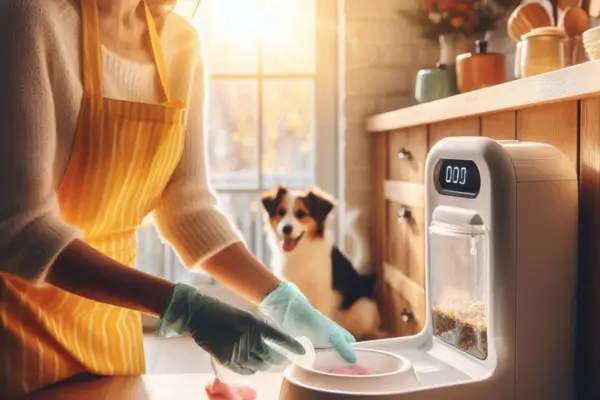
Automatic pet feeders have become a staple in many homes, offering a convenient way to feed pets on time—even when life gets hectic. They allow pet parents to automate feeding schedules, control portions, and ensure their furry companions never miss a meal. But while these devices add tremendous value, they also come with a lesser-known issue that can affect your pet’s well-being: leftover food.
Leftover food in a pet feeder might not seem like a major concern at first. However, when kibble or wet food sits for too long, especially in warm or humid environments, it can quickly degrade. Dry food may become stale or absorb moisture, while wet food can spoil even faster, creating a breeding ground for bacteria and mold. This not only leads to foul smells and mess but can directly impact your pet’s health, potentially causing stomach upset, vomiting, or more serious illnesses over time.
In addition to health risks, leftover food can clog dispensers, interfere with portion accuracy, or attract pests like ants and rodents—all of which compromise the effectiveness of your feeder. Understanding how to properly manage and prevent leftover food is key to maximizing the benefits of your automatic feeder while keeping your pet’s meals clean, safe, and fresh.
In this article, we’ll dive into why leftover food happens, what risks it presents, and how you can effectively prevent it from becoming a recurring issue. Whether you’re a new feeder user or a long-time pet owner looking to improve your routine, tackling this often-ignored problem will go a long way in supporting your pet’s overall health and hygiene.
Understand Why Food is Being Left Behind
If you’ve noticed uneaten food lingering in your pet’s automatic feeder, you’re not alone. It’s a common issue faced by pet owners, and while it might not seem urgent at first, it can indicate underlying problems that need attention. Leftover food can signal anything from overfeeding to technical issues or even changes in your pet’s health. Understanding the root cause is essential to keeping your pet healthy and your feeder functioning properly.
Pet’s Loss of Appetite or Overfeeding
One of the first things to consider is whether your pet is receiving more food than they actually need. Automatic feeders can sometimes be set with portion sizes that are too large—especially if you haven’t calibrated them to match your pet’s age, weight, breed, and activity level. For example, a small dog or senior cat won’t need the same amount of food as a young, active animal.
On the other side of the coin, a sudden decrease in appetite may be a red flag. Stress from changes in the home, recent vaccinations, new medications, or even dental issues can make pets reluctant to eat. It could also indicate more serious health concerns like digestive problems or infections. If your pet routinely leaves food behind, and this behavior is new or accompanied by other symptoms (lethargy, vomiting, weight loss), consult your veterinarian.
Feeder Malfunction or Incorrect Portion Settings
Sometimes, the issue isn’t your pet—it’s the feeder itself. Automatic feeders rely on moving parts and pre-set programming, and any glitch in the system can lead to feeding irregularities. Your unit might be dispensing too much food, dispensing multiple times, or not recognizing that the bowl is already full. Miscalibrated portion settings can easily go unnoticed if you’re not monitoring the output regularly.
Smart feeders may also suffer from software bugs or connectivity issues, which can affect their ability to dispense food as scheduled. Regularly checking the functionality of your device, updating any firmware, and cleaning internal parts will help prevent these technical hiccups.
Food Preferences or Spoilage
Just like people, pets have preferences. They may grow bored of the same food every day or simply dislike a certain flavor or texture. If you’ve recently switched brands or types of food (dry to semi-moist, or grain-free to high-protein), your pet may be protesting by skipping meals. Trial and error might be necessary to find the right balance of nutrition and taste.
Spoilage is another issue to consider—especially if your feeder is placed in a warm or humid environment. Dry kibble can absorb moisture from the air and become soft or rancid over time, while wet or semi-moist food spoils even faster. Once food goes bad, pets often refuse to eat it (and rightfully so). Using airtight containers, scheduling smaller, more frequent feedings, or placing the feeder in a cool location can help preserve freshness.
Environmental or Behavioral Factors
Sometimes, external factors cause pets to leave food behind. A noisy environment, presence of other animals, or a dirty feeding bowl can deter a pet from eating comfortably. Cats, in particular, are sensitive to surroundings and may avoid eating if their feeder is near a litter box or busy area. Dogs might avoid food if another pet is nearby or if they associate feeding time with negative experiences (like being left alone right after).
Check the Feeder’s Settings
Automatic pet feeders are only as effective as the settings they run on. If food is consistently being left behind, it’s a good idea to take a closer look at how your feeder is programmed. A few simple adjustments can make a big difference in minimizing waste and supporting your pet’s nutrition.
Ensure Portion Sizes Are Appropriate for Your Pet’s Size and Diet
Not all pets need the same amount of food. Puppies and kittens require more frequent meals, while adult or senior pets may need smaller, more controlled portions. Overfeeding is a common issue when portion sizes aren’t tailored to your pet’s breed, weight, age, and energy level. Most feeders allow you to customize portion sizes down to a few grams or kibbles—use this feature to your advantage.
Start by checking the recommended daily feeding amount on your pet food’s packaging, or consult with your veterinarian for a personalized suggestion. Then, divide that total amount by the number of meals your feeder dispenses each day to avoid overloading the bowl. If your pet regularly leaves food behind, you may be serving too much at once.
Adjust Feeding Schedules Based on Your Pet’s Eating Habits
Every pet has their own rhythm. Some prefer multiple small meals throughout the day, while others do better with two larger meals. If your pet tends to eat only at certain times, consider aligning the feeding schedule with their natural eating habits. This can reduce the chances of food being left out and going to waste.
For example, if you notice that your cat ignores the early morning feeding but eats consistently at noon and evening, adjust the feeder to eliminate that morning meal. If you have a dog that tends to overeat or eat too fast, splitting meals into smaller portions spread throughout the day can also help prevent digestive issues and reduce leftover food.
Most modern feeders offer flexible scheduling features through apps or digital displays—use them to experiment with different times and portion combinations until you find what works best.
Inspect the Food Quality
Even with the perfect feeding schedule and portion size, your pet may still refuse to eat if the food itself isn’t fresh or appealing. Poor food quality is a leading cause of leftovers in automatic feeders—and it can also pose health risks. That’s why regularly inspecting the food you use and how you store it is just as important as how you serve it.
Verify Freshness of Dry or Wet Food
Start by checking expiration dates on all food packaging. Even dry kibble, which has a longer shelf life than wet or semi-moist food, can go stale or rancid if it’s old or improperly stored. Spoiled kibble may have a dull appearance, an off-putting smell, or feel oily to the touch—clear signs that it’s no longer suitable for your pet.
Wet or moist foods are even more sensitive. If left in the feeder too long, especially in warm or humid environments, they can spoil quickly and develop harmful bacteria. Signs of spoiled wet food include discoloration, foul odor, or visible mold. If your pet sniffs the bowl and walks away, the food’s freshness could be the reason.
Make it a habit to check the condition of the food in your feeder every day. Regular inspections help ensure your pet is eating meals that are not only tasty but also safe.
Store Food Properly to Avoid Contamination or Spoilage
Proper food storage is key to preserving freshness and preventing contamination. For dry kibble, use an airtight container made of BPA-free plastic or stainless steel to keep out moisture, pests, and air. Avoid leaving food in the original bag once opened, especially if the bag isn’t resealable.
Wet food should be stored in a cool place and refrigerated immediately after opening. If you’re using wet food in an automatic feeder, make sure your device supports temperature control or is cleaned frequently to avoid bacterial buildup.
Also, avoid placing your feeder in direct sunlight, near heating vents, or in damp areas like laundry rooms or bathrooms. These environments can accelerate spoilage—even in sealed feeders.
Clean the Feeder Regularly
Keeping your pet’s automatic feeder clean is just as important as choosing the right food or setting the right schedule. A dirty feeder can quickly become a breeding ground for bacteria, mold, and pests—all of which can lead to foul odors, health problems, and food contamination. Regular cleaning ensures that your pet’s meals stay fresh, safe, and appetizing.
Importance of Cleaning to Prevent Bacteria and Odors
Leftover crumbs, spilled food, and moisture buildup can accumulate inside and around the feeder, especially in hidden corners and feeding chutes. If not cleaned routinely, this residue can attract bacteria, yeast, and even insects. These contaminants not only affect the smell and taste of your pet’s food but can also lead to digestive issues, infections, or allergic reactions.
A clean feeder keeps your pet healthier, reduces the risk of cross-contamination, and also extends the life of the device itself. Plus, nobody wants a smelly feeder in the house—it’s better for both you and your pet to maintain a clean feeding environment.
How Often to Clean and Which Parts to Focus On
For dry food feeders, it’s recommended to:
- Wipe down the bowl and surrounding area daily to remove crumbs and dust.
- Do a full cleaning at least once a week, including the food tray, dispenser chute, and lid.
- Deep clean monthly to disassemble the feeder and clean interior components like motors (if accessible) and hidden crevices.
If you use wet or moist food, cleaning should be done daily or after every meal to prevent spoilage and bacterial growth.
Focus especially on:
- Food bowls or trays, which are in direct contact with food.
- Dispensing mechanisms, where buildup can occur unnoticed.
- Storage compartments, where food sits for extended periods.
- Sensors and electronics, which should be wiped gently with a dry or lightly damp cloth.
Always refer to your feeder’s user manual for cleaning instructions, and avoid harsh chemicals that could leave behind residues or damage the device.
Monitor Your Pet’s Behavior
Your pet’s feeding habits are one of the most direct reflections of their overall health and happiness. While technical adjustments and cleaning routines are crucial for preventing leftover food, observing how and when your pet eats can reveal even more. Behavioral patterns around mealtime can signal everything from minor stress to serious medical issues, making it vital to monitor changes closely and consistently.
Track Changes in Appetite or Eating Patterns
Every pet has a unique relationship with food. Some dive into their bowl the moment food is dispensed, while others prefer to graze throughout the day. However, when those habits shift—especially suddenly—it often means something has changed physically or emotionally.
Here are some red flags to watch for:
- Consistently unfinished meals even when portion sizes are adjusted.
- A pet who was previously food-driven becoming indifferent or slow to approach the feeder.
- Nervous or avoidant behavior near the feeder, possibly due to noise, location, or previous discomfort.
- Changes in eating speed, such as gulping food quickly or chewing more slowly and cautiously, which might indicate pain or anxiety.
To track these behaviors, consider keeping a daily log of:
- How much food was dispensed
- How much was left over
- The times your pet actually eats
- Any unusual signs like drooling, gagging, or excessive water intake
If you’re using a smart automatic feeder, take advantage of built-in monitoring tools that provide meal history, alerts for uneaten food, and even video footage. These insights can help you spot small changes before they become big problems.
When to Consult a Vet if Leftover Food Becomes Frequent
Occasional leftovers may not be cause for alarm. Pets, like people, can have off days. But if food avoidance becomes consistent or is paired with other symptoms, it’s time to bring in a professional.
Contact your veterinarian if you notice:
- A steady decrease in appetite over several days
- Weight loss despite normal or increased feeding
- Lethargy, vomiting, diarrhea, or changes in bathroom habits
- Unexplained behavioral shifts, such as increased aggression, hiding, or vocalizing near feeding times
- Signs of dental discomfort, like pawing at the mouth, bad breath, or difficulty chewing
Your vet may perform a physical exam, blood tests, dental check-up, or dietary evaluation to uncover the cause. They might recommend switching to a different type of food, treating a health condition, or modifying the feeding environment.
Even if no serious issue is found, professional guidance can give you peace of mind and help ensure your pet receives the right care for their individual needs.
Use Smart Features (If Available)
Modern automatic pet feeders are more than just timed food dispensers—they’re smart devices designed to make feeding more precise, convenient, and personalized. If your feeder includes advanced features like portion control, built-in cameras, or mobile alerts, you can use these tools to better understand your pet’s eating habits and reduce the issue of leftover food.
Benefits of Feeders with Portion Control, Cameras, or Alerts
Smart feeders come equipped with a range of features that go beyond basic scheduling. Here’s how they can help:
Portion Control: Adjustable settings let you fine-tune the exact amount of food dispensed per meal based on your pet’s size, breed, and dietary needs. This minimizes overfeeding, which is a common cause of leftovers, and helps with weight management.
Built-In Cameras: Some feeders include cameras that allow you to check in on your pet in real time through a mobile app. You can see whether they’re eating as expected, monitor their body language during mealtime, and catch any unusual behavior—like ignoring the bowl or acting hesitant.
Smart Alerts and Meal Tracking: Many feeders can send notifications to your phone when a meal is served or when food is left uneaten. Others offer detailed logs or graphs of your pet’s eating patterns, giving you data to spot trends and adjust settings accordingly.
Voice Features or Two-Way Audio: A familiar voice calling your pet to eat can reduce anxiety and encourage them to come to the feeder, especially when you’re not home.
These smart capabilities turn a regular feeder into a hands-off assistant that helps you care for your pet more effectively and with less guesswork.
How Technology Can Help Manage and Reduce Leftovers
Smart feeders take the mystery out of why food is being left behind. By combining real-time monitoring with historical data, they help you make informed decisions—such as:
- Adjusting meal sizes if too much food is consistently uneaten
- Tweaking feeding times based on when your pet is actually eating
- Detecting early signs of health issues or stress through changes in eating behavior
If you have a multi-pet household, some smart feeders even come with microchip recognition or RFID tags to ensure the right pet gets the right meal, reducing the chance of one pet eating the other’s leftovers or skipping meals due to dominance issues.
Ultimately, smart feeders empower pet parents to deliver more consistent, customized care. If leftovers are a frequent issue and you’re using a basic model, upgrading to a smart feeder could be a game-changer.
Conclusion
Leftover food in an automatic pet feeder is more than just a small annoyance—it can be a sign of bigger issues that, if left unchecked, may affect your pet’s health, disrupt feeding routines, or even shorten the lifespan of your feeder. Fortunately, with a bit of attention and consistent care, this problem can be easily managed or even prevented entirely.
Summarize Key Actions to Take When Food Is Left Behind
To effectively reduce or eliminate leftover food, pet owners should focus on a few key areas:
- Evaluate Feeding Settings: Ensure portion sizes and schedules are tailored to your pet’s unique nutritional needs. Overfeeding is a top cause of uneaten food, and adjusting the timing of meals to match your pet’s natural eating patterns can make a big difference.
- Check Food Quality Regularly: Even if the portions are perfect, pets will avoid food that smells or tastes off. Always verify expiration dates, store food in sealed containers, and inspect for spoilage—especially with wet or semi-moist food.
- Maintain a Clean Feeder: Dirty feeders can harbor bacteria, mold, or odors that turn your pet away from their meals. Regular cleaning (daily wipe-downs and weekly deep cleans) helps keep the feeding environment hygienic and appealing.
- Monitor Pet Behavior: Sudden changes in appetite, hesitation at the bowl, or consistent refusal to eat can be early signs of medical issues or stress. Pay close attention to any shifts in your pet’s routine, and consult a vet if leftovers become a daily occurrence despite your best efforts.
- Leverage Smart Feeder Features: If your feeder includes advanced tools like cameras, timers, or alerts, use them to your advantage. These features help you remotely monitor feedings, track consumption, and make data-driven adjustments—adding convenience while improving your pet’s care.
Encourage Pet Owners to Stay Attentive to Feeding Habits and Feeder Maintenance
Above all, consistency and awareness are key. Pets thrive on routine, and regular observation of their feeding habits ensures you’ll catch problems early—before they affect your pet’s health. By building a simple checklist into your weekly routine (check food freshness, wipe down the feeder, review eating logs), you’ll keep both your pet and your feeding setup in peak condition.
Remember, your automatic feeder is a helpful tool—but it’s not a set-it-and-forget-it device. It works best when paired with your involvement, observation, and care.
A little effort goes a long way. By staying proactive with feeding habits, food quality, and equipment maintenance, you’ll not only reduce waste and frustration—you’ll also create a healthier, happier mealtime experience for your pet every day.