
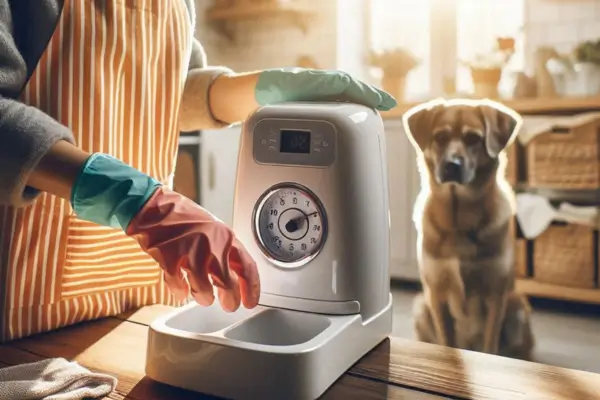
Keeping your pet’s automatic feeder clean is one of the most important — yet often overlooked — parts of being a responsible pet parent. While quick daily wipe-downs can remove surface crumbs and spills, they’re not enough to maintain true cleanliness. Over time, food residue, dust, pet hair, and even moisture can build up inside the feeder’s compartments, crevices, and sensors. That’s where deep cleaning comes in.
Why is deep cleaning important?
Without proper hygiene, your pet feeder can become a breeding ground for harmful bacteria, mold, and even pests. These contaminants not only create foul odors but can also put your pet’s health at serious risk. Dirty feeders have been linked to issues like vomiting, diarrhea, loss of appetite, and long-term digestive problems in both cats and dogs. What’s more, grime buildup can cause the feeder’s sensors or moving parts to malfunction, leading to skipped meals or overfeeding.
This blog post is designed to help you stay ahead of those risks by walking you through a complete deep-cleaning process — no guesswork, no missed steps. Whether you’re new to automatic feeders or simply want to refresh your cleaning routine, this guide will help you:
- Sanitize your feeder thoroughly, inside and out
- Spot and clean hard-to-reach or overlooked areas
- Extend the life of your device and keep it working properly
- Protect your pet’s health with every meal they eat
Let’s dive in and give your pet feeder the deep clean it deserves — your furry friend will thank you!
Why Deep Cleaning Matters
When it comes to keeping your pet’s feeder in top shape, regular cleaning and deep cleaning serve two very different purposes — and both are essential.
The Difference Between Regular Cleaning and Deep Cleaning
Regular cleaning typically involves a quick wipe-down or rinsing of easily accessible parts like the bowl or lid. It’s meant to manage everyday messes, such as spilled kibble or dust. While helpful, this light maintenance only addresses the surface.
Deep cleaning, on the other hand, goes much further. It involves fully disassembling the feeder, scrubbing all removable parts, reaching hidden crevices, and carefully sanitizing components like the food chute, interior sensors, and dispensing mechanism. This level of cleaning is necessary to remove food residue, oils, and moisture that can accumulate over time — areas that regular cleaning simply can’t reach.
How Leftover Food and Moisture Can Affect Your Pet’s Health
Even small traces of leftover food or moisture can quickly become problematic. Pet food — especially if it’s moist or has oil content — can spoil and attract bacteria or mold. These hidden contaminants may not be visible but can cause serious health issues like vomiting, diarrhea, and infections when ingested.
Moisture also creates an ideal environment for mold growth, especially in warm or humid climates. Mold spores can trigger allergies and respiratory issues in sensitive pets, making deep cleaning a necessary step to protect their well-being.
How Often Deep Cleaning Should Be Done
For most households, deep cleaning your pet feeder once every 2 to 4 weeks is recommended. However, the frequency can vary depending on several factors:
- If you use wet or semi-moist food, clean more often — ideally weekly.
- In humid environments, mold can form faster, so bi-weekly deep cleaning may be needed.
- Homes with multiple pets or high feeder usage may also require more frequent cleanings.
By incorporating regular deep cleaning into your pet care routine, you help ensure every meal is safe, fresh, and free from harmful contaminants — giving your pet the healthy life they deserve.
Supplies You’ll Need
Deep cleaning your pet feeder doesn’t require anything fancy — just the right combination of safe, effective cleaning materials and a little time. Using proper tools ensures that you clean thoroughly without damaging sensitive parts or leaving behind harsh residues that could affect your pet’s health.
Whether you’re a first-time pet parent or a seasoned pro, having everything ready before you begin will make the process smoother and more efficient.
Recommended Cleaning Materials
Start with these core supplies to safely and effectively clean most automatic pet feeders:
- Mild Dish Soap
Choose a gentle, unscented dish soap that’s free of dyes and harsh chemicals. This helps break down grease and food residue without leaving harmful traces that could affect your pet’s food or health.
- Warm Water
Warm water helps loosen dried food, remove sticky oils, and speed up the cleaning process. It also helps dissolve soap more effectively.
- Soft Sponge or Cloth
Use a non-abrasive sponge or a soft microfiber cloth to wipe down surfaces. Avoid anything too rough that could scratch plastic parts or damage coating on the feeder.
- Small Brush or Bottle Brush
These are essential for getting into narrow areas like the food chute, dispensing wheel, or corners of the feeding tray. A baby bottle brush or straw brush works great for tight spots.
- White Vinegar (Optional)
A natural disinfectant, vinegar is safe when used properly and helps break down mineral deposits or stubborn grime. It’s also excellent for neutralizing odors.
- Microfiber Towels or Paper Towels
Use these for drying each part completely after cleaning. Proper drying prevents mold and protects electronic components from moisture damage.
Optional Tools for Extra Sanitation
If you want to go the extra mile — especially in households with multiple pets, wet food use, or humid climates — consider adding these optional tools to your cleaning kit:
- Old Toothbrush or Detail Brush
A soft toothbrush is excellent for scrubbing small crevices and textured surfaces. It can help remove hidden buildup around lids, buttons, or seams.
- Food-Safe Sanitizer Spray
For added peace of mind, use a pet-safe, food-grade sanitizer to disinfect cleaned parts. Be sure it’s non-toxic and rinsed thoroughly before reassembling.
- UV Sterilizer
This high-tech tool can help sterilize plastic parts without using chemicals. It’s especially useful for sanitizing non-washable components like digital displays or control panels.
- Compressed Air Canister
Use short bursts of air to blow crumbs, dust, or hair out of small gaps, especially in feeders with buttons, vents, or sensors.
- Rubber Gloves
Protect your hands during cleaning, especially when dealing with soap, vinegar, or any lingering pet food odors.
Having these tools organized and ready will save you time and effort. It also ensures that every deep clean is thorough and consistent — helping your feeder perform better and your pet stay happy and healthy. Think of it as a small investment in your pet’s overall wellness and in the longevity of your device.
Step-by-Step Cleaning Instructions
Deep cleaning your automatic pet feeder may seem intimidating, but with a clear process, it’s simple and quick. Follow these steps to safely and thoroughly clean your device and keep your pet’s mealtime safe and hygienic.
Step 1: Unplug and Disassemble the Feeder
- Safety First
Before doing anything, make sure to unplug the feeder from its power source. If it’s battery-operated, remove the batteries. This step is essential for your safety and to protect the electronics from damage.
Next, carefully disassemble all removable components. Most feeders have detachable food trays, lids, hoppers, and water compartments. Refer to the manufacturer’s manual if you’re unsure how to take it apart — forcing pieces can lead to cracks or breakage.
Step 2: Remove and Dispose of Leftover Food
- Clean Slate
Throw out any leftover food, even if it appears dry or clean. Pet food — especially wet or semi-moist types — can spoil or attract pests over time. Old food residue can also leave behind oils and odors that compromise freshness and safety.
Use a dry cloth or paper towel to sweep away crumbs or kibble dust before you begin washing.
Step 3: Wash Removable Parts
- Soak and Scrub
Place all washable parts (like bowls, trays, and water compartments) in warm, soapy water. Use a mild, pet-safe dish soap and let the items soak for a few minutes to loosen grime and oils.
Use a soft sponge or small brush to scrub all surfaces, especially corners and seams where food particles often hide. Avoid harsh scrubbing pads or steel wool, which can damage plastic or leave scratch marks that harbor bacteria.
Rinse thoroughly to ensure all soap is removed.
Step 4: Deep Clean Internal Mechanisms
- Handle With Care
Cleaning the internal mechanisms — such as food chutes, dispensing wheels, and motors — requires extra caution. These parts often can’t be submerged and may include sensitive electronics.
Use a damp (not wet) cloth to gently wipe down the inside of the feeder. If needed, dip a small brush or toothbrush in a vinegar-water solution (1:1) to gently scrub around tight areas. Be especially mindful near sensors, gears, and motor components. Never pour water directly into the machine.
Compressed air can be useful to blow out food dust or debris in hard-to-reach places.
Step 5: Sanitize All Components
- Choose Wisely: Natural vs. Chemical
After cleaning, it’s time to sanitize. You can use a natural sanitizer like a diluted vinegar solution (1 part vinegar to 3 parts water), or a pet-safe disinfectant spray.
Avoid bleach or harsh chemicals that could linger on surfaces or harm your pet. Let the sanitizer sit for a few minutes, then wipe clean with a damp cloth or rinse thoroughly.
Step 6: Dry and Reassemble
- No Moisture Left Behind
Once everything is clean and sanitized, allow all parts to air-dry completely before reassembling. You can use a microfiber towel to speed up the drying process, but it’s crucial that no moisture is left — dampness can lead to mold growth or damage electrical parts.
Once all components are fully dry, reassemble the feeder according to the manufacturer’s instructions. Plug it back in or reinstall the batteries, and you’re good to go!
Common Mistakes to Avoid
Cleaning your pet’s automatic feeder regularly is a great habit — but even well-meaning pet parents can make mistakes that reduce the effectiveness of their efforts or even damage the device. To get the most out of your deep-cleaning routine and protect your pet’s health, watch out for these common errors:
Using Harsh Chemicals
One of the biggest mistakes is using cleaning products that are too strong or unsafe for pet use. Many conventional cleaners contain ingredients like bleach, ammonia, or synthetic fragrances that may leave behind harmful residues. These substances can linger on feeder surfaces and mix with your pet’s food, potentially causing:
- Digestive issues
- Skin irritations or allergic reactions
- Long-term health concerns from toxic exposure
What to do instead: Always opt for mild, pet-safe dish soap, white vinegar, or a food-grade sanitizer that’s labeled non-toxic and rinseable. Even natural products should be rinsed thoroughly to ensure your pet’s food stays pure and safe.
Skipping Tight Spots or Internal Parts
When you’re short on time, it’s easy to just clean the feeding bowl and exterior and ignore the inner workings of the feeder. But the real danger often lies in hidden areas like:
- Inside the food chute
- Under removable lids and hoppers
- Around buttons, sensors, or digital displays
- Between joints or corners where food dust collects
Failing to clean these areas allows residue, pet hair, moisture, and even mold to build up unnoticed — which can eventually contaminate fresh food or interfere with feeder performance.
What to do instead: Use small brushes, toothbrushes, or even cotton swabs to get into tiny crevices. Compressed air can also help blow out crumbs or dust that’s hard to reach. Take your time and pay attention to spots that are out of plain sight.
Not Drying Properly Before Reassembly
Moisture may not seem like a big deal, but it’s one of the top culprits behind mold growth and feeder malfunctions. Reassembling your feeder while parts are still damp can lead to:
- Musty smells
- Mold forming in closed compartments
- Water damage to electrical components
- Shortened product lifespan
What to do instead: After washing and sanitizing, allow every component to air-dry fully in a well-ventilated area. You can speed things up by gently patting parts with a clean microfiber towel, but be sure no water remains in grooves, slots, or tight seams. Never rush this step — even a small amount of moisture trapped inside the feeder can become a big problem over time.
Maintenance Tips
Deep cleaning is essential, but good daily and weekly habits can help keep your pet feeder in top condition between those intensive cleaning sessions. With just a few simple practices, you can maintain a clean, safe feeding environment for your pet — and make your next deep clean a whole lot easier.
Quick Daily or Weekly Cleaning Habits
Establishing a routine of light cleaning can prevent the buildup of food particles, oils, and bacteria that lead to bigger issues down the line.
Daily habits:
- Wipe the feeding bowl or tray after each use, especially if wet or moist food is used.
- Check for leftover kibble or crumbs and dispose of them promptly.
- Wipe around the feeder’s base to remove spills, pet hair, or dust.
Weekly habits:
- Remove and rinse removable parts like bowls or lids with warm soapy water.
- Inspect the food hopper for residue or oily buildup from dry food.
- Gently wipe the feeder’s exterior and buttons with a damp cloth.
These small steps take only a few minutes and go a long way in keeping things sanitary.
Using Liners or Mats to Keep Feeder Area Clean
The area around your pet’s feeder is just as important as the feeder itself. Spilled kibble, drips, or slobber can make the feeding zone messy and attract pests.
How to keep it clean:
- Place a non-slip silicone mat or easy-to-clean tray under the feeder to catch spills and crumbs.
- Use washable liners inside food trays or bowls (if your feeder design allows it) to reduce direct contact with the hardware.
- Clean the mat weekly or whenever spills occur to prevent bacteria from growing in the surrounding area.
This small investment in feeder accessories can save you time and prevent messes from spreading to your floors.
Setting Calendar Reminders for Deep Cleaning
Even the most attentive pet parents can forget when it’s time for a full deep clean — especially with busy schedules. Setting reminders helps ensure you don’t wait too long between cleanings.
Tips for staying on schedule:
- Use your smartphone’s calendar or a reminder app to set recurring notifications (e.g., “Clean Pet Feeder – Deep Clean” every 2–4 weeks).
- Consider pairing deep cleaning with other regular tasks like grocery shopping or pet grooming.
- Place a sticky note or checklist near your feeder to track the last time you cleaned it.
Consistent maintenance doesn’t just benefit your pet’s health — it also extends the life of your automatic feeder and helps it function more reliably.
Conclusion
Your pet’s health starts with what they eat — and that includes not just the food itself, but the cleanliness of the device that delivers it. Automatic pet feeders offer incredible convenience, but they require regular care to stay safe and functional. Deep cleaning might feel like a chore at first, but it’s one of the most valuable habits you can build into your pet care routine.
Key Benefits of Deep Cleaning
Let’s quickly review why deep cleaning matters so much:
- Protects your pet’s health: Regular deep cleaning eliminates bacteria, mold, and spoiled food residues that could lead to serious health issues like vomiting, diarrhea, or infections.
- Keeps food tasting fresh: Old crumbs and oils can go rancid and affect the flavor of new food. A clean feeder ensures every bite is just as fresh as it should be.
- Prevents feeder malfunctions: Built-up debris can block food chutes, interfere with moving parts, and even confuse sensors — leading to missed or incorrect feedings.
- Reduces odors and pest attraction: Mold, leftover food, and pet slobber can create foul smells and attract bugs or rodents. Regular cleaning keeps your home smelling fresh and sanitary.
- Extends the life of your device: Like any appliance, a feeder lasts longer when it’s well-maintained. Cleaning helps prevent wear and tear and costly repairs.
Simply put, a clean feeder isn’t just nicer to look at — it’s essential to your pet’s well-being.
Make It a Regular Habit
It’s easy to let cleaning fall down the list of priorities — especially when the feeder looks fine on the surface. But skipping cleanings, even occasionally, allows buildup to form in hidden areas, creating problems you might not see until it’s too late.
Make deep cleaning a part of your monthly routine. Set a recurring reminder on your calendar or pair it with another pet task like grooming or refilling food. It only takes about 15–20 minutes, and the rewards are huge: a healthier pet, better hygiene, and longer use from your feeder.