
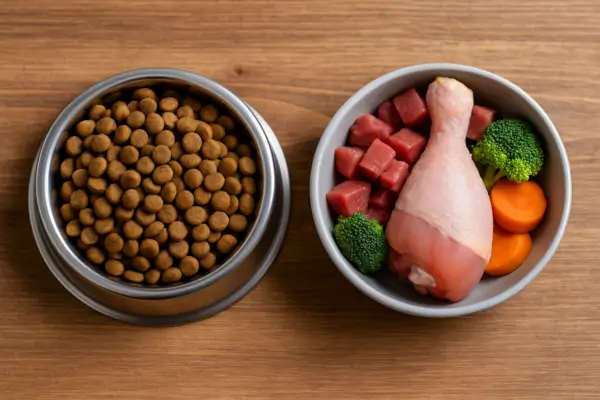
Raw dog food has become a popular feeding trend among dog owners who want a more natural and nutritious diet for their furry family members. Many pet lovers feel that processed commercial foods are not enough to support the holistic health and long-term vitality of their dogs. As a result, many have begun comparing different feeding methods to determine what best suits their pet’s needs.
While kibble remains the most common commercial food option across the world, it has also raised concerns regarding long-term health outcomes. Some pet owners believe that heavy processing may remove essential nutrients or add unnecessary preservatives. For this reason, it’s essential to analyze both feeding approaches carefully to understand what works best for your dog.
Choosing the best diet for your dog can be emotional, overwhelming, and even confusing with so many opinions online. The goal of this article is to help you make a confident, informed decision by exploring nutrition, health benefits, risks, and actionable steps. Not every diet fits every dog, so learning how to customize your choice is vital for your pet’s happiness and longevity.
What Is Raw Dog Food and How Does It Work?
Raw feeding focuses on providing natural, fresh ingredients such as muscle meat, organs, bones, and vegetables to mimic a wild, ancestral canine diet. Proponents argue that minimal processing preserves nutrients and supports digestive and immune health.
Step-by-Step Guide to Getting Started
- Consult your veterinarian or a certified canine nutritionist.
- Choose high-quality meat sources, preferably grass-fed or organic.
- Balance the ratio: typically 70% meat, 10% bones, 10% organs, and 10% vegetables or fruit.
- Introduce gradually: mix with current food over 7–14 days.
- Monitor signs of improvement, such as shiny coat, healthy stools, and energy levels.
Benefits of Raw Dog Food
This subtitle includes a brief explanation and includes the main keyword requirement. Raw feeding supporters claim benefits such as improved digestion, reduced allergies, better dental health, and glossier coats due to enzyme-rich, natural nutrients.
How to Maximize the Benefits
- Use variety: rotate between beef, chicken, lamb, turkey, and fish.
- Add nutritional boosters such as omega-3 oil, probiotics, and organ meats.
- Serve appropriate portion sizes based on age, breed, metabolism, and activity level.
- Keep a feeding journal to track visible health changes.
- Stay consistent and reassess with a veterinarian every 6 months.
Understanding Kibble and Its Advantages
Kibble is processed commercial dog food designed for convenience, shelf stability, and affordability. Many brands offer balanced nutrition, life-stage formulas, grain-free options, and veterinarian-approved blends.
How to Choose High-Quality Kibble
- Read the ingredient label and avoid artificial colors, fillers, and unnamed meat byproducts.
- Look for whole protein sources as the first ingredient.
- Consider AAFCO-approved formulas, preferably without excessive grains or corn.
- Select a formula based on your dog’s needs, such as weight control, senior support, or skin allergies.
- Introduce slowly and monitor for reactions like itching, excessive gas, or loose stool.
Comparing Nutritional Value
Raw meals offer natural enzymes, moisture, amino acids, and healthy fats directly from fresh ingredients. In contrast, kibble undergoes high-temperature cooking which may reduce nutrient content, but it is often fortified with vitamins, minerals, and supplements.
Steps to Evaluate Nutritional Quality
- Check protein, fat, and carbohydrate ratios aligning with canine dietary requirements.
- Investigate sourcing and transparency from the brand.
- Analyze visible results: coat health, weight stability, and digestion.
- Consider allergy triggers, especially proteins and grains.
- Reassess diet every few months with professional advice.
Cost and Convenience Considerations
Kibble wins in convenience and affordability, making it suitable for busy owners or households with multiple dogs. Raw feeding, while higher in cost and preparation time, may reduce long-term vet bills by improving health outcomes.
Balancing Cost and Quality
- Set a monthly feeding budget for supplies, supplements, and treats.
- Buy in bulk or from local farms to reduce raw feeding expenses.
- Use airtight containers for kibble and freezers for raw.
- Avoid impulse shopping and stick with trusted brands.
- Compare savings with health improvements over time.
Safety, Storage, and Hygiene Tips
Raw diets require more safety measures due to bacterial risks like salmonella or E. coli, especially in homes with children or immune-compromised individuals. Kibble has lower handling risks but may contain hidden allergens or preservatives.
Safe Feeding Habits
- Keep raw meat refrigerated or frozen until used.
- Disinfect bowls, knives, and prep areas after each meal.
- Use BPA-free containers to store kibble.
- Avoid leaving food out for hours to prevent contamination.
- Watch for symptoms like vomiting, diarrhea, or lethargy.
Best Kibble Dog Food on Amazon for Healthy Nutrition 2025
1.Orijen Original Dry Dog Food – A high-protein premium kibble made with 85% fresh or raw animal ingredients and whole-prey ratios.
2. Acana Wholesome Grains Free-Run Poultry & Grains Recipe Dry Dog Food – Contains free-run chicken, turkey, eggs and includes wholesome grains; good alternative for dogs that tolerate grains.
3. Purina ONE +Plus Dry Dog Food – A more budget-friendly option, with natural ingredients and added vitamins & minerals.
4. Iams ProActive Health Dry Dog Food – Another solid budget pick; formulated for age/life stage-specific needs and widely available. T
5. Hill’s Science Diet Adult Dry Dog Food – A veterinarian-recommended brand with formulas tailored to adult dogs, focusing on high digestibility and overall wellness.
Choosing With Love and Confidence
Your dog depends entirely on you, not only for food, but for safety, love, and wellness. No matter which feeding method you choose, what matters most is providing nutrition that supports a long, joyful, and energetic life. Don’t rush the decision — observe, research, and trust your instinct as a pet parent.
Your dog feels your love every time they eat a meal you carefully chose for them. Whether you select raw feeding, kibble, or a balanced combination, choose with wholehearted care. When you prioritize health, you’re not just filling their bowl — you’re filling their life with more days of tail wags, playful energy, and unforgettable moments together.