
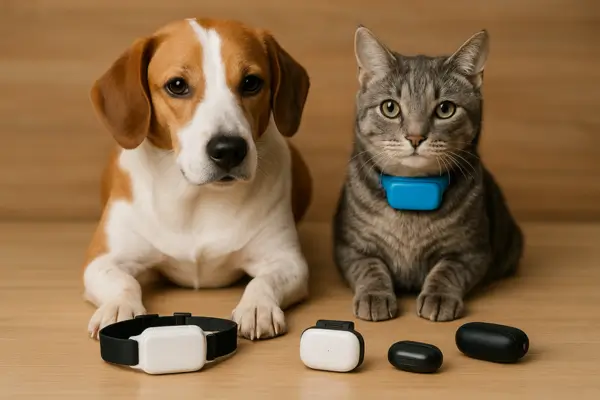
A Pet tracker is quickly becoming one of the most recommended tools for pet parents who want peace of mind, real-time monitoring, and enhanced security for their dogs and cats. When it comes to caring for pets, every responsible owner understands the importance of safety, comfort, and health — and modern technology has introduced powerful ways to support that mission. Whether you have an adventurous explorer, a high-energy escape artist, or simply want to stay connected with your pet at all times, this device can be a true life-saver.
In today’s fast-paced world, unexpected events can happen in a matter of seconds. Pets may run out of open doors, dig under fences, or wander too far from home, leaving owners stressed and heartbroken. With GPS-based pet tracking technology, owners gain the ability to locate their pets instantly, no matter the distance, providing confidence and emotional security. These wearable devices also offer additional perks like health insights, activity monitoring, and geofencing alerts.
More than just a gadget, a tracker becomes part of your safety strategy, helping reduce risks of loss, increasing awareness, and creating a deeper connection between pet and owner. In this article, we will unpack everything you need to know — from choosing the right device, setting it up, using safety features, increasing battery life, and maximizing all its benefits. This content includes Amazon affiliate recommendations so you can easily find the ideal option for your pet.
Why You Need a Pet Tracker for Modern Pet Safety
A pet tracker gives real-time visibility, historical tracking, and zones of protection known as “safety fences.” These features prevent loss, reduce search time, and even improve training. SEO keywords included: GPS pet collar, pet safety device, pet monitoring technology, real-time pet location, best dog gadgets.
Step-by-Step: How to Choose the Best Tracker
- Define your priority: Tracking distance, health metrics, durability, or waterproofing.
- Analyze the battery type: Rechargeable long-life battery options are highly recommended.
- Check compatibility: Confirm connection type (GPS, Bluetooth, Cellular, Wi-Fi).
- Compare subscription plans: Some brands require monthly plans for maps and apps.
- Read reviews: Prioritize verified buyers and real user experiences.
Types of Pet Trackers Available on the Market
Before buying, you must understand different categories, because not every tracker works the same. Some are made for large dogs, others for small indoor pets, and some even include medical-grade monitoring.
Step-by-Step: Identify the Right Category
- GPS models: Best for outdoor activities and escape-prone pets.
- Radio-frequency trackers: Useful for rural environments with limited signal.
- Bluetooth options: Ideal for indoor or short-range monitoring.
- Advanced smart collars: Include vet-style health features.
How to Set Up and Install Your Pet Tracker
The setup process is simpler than most people imagine. With just a few steps, the device becomes operational and ready to protect.
Step-by-Step: Setup & Activation
- Fully charge the tracker before first use.
- Download the recommended app on your phone.
- Register your account and enter your pet’s information.
- Attach device securely to the collar — it must fit snugly but comfortably.
- Test tracking by walking around your home or yard.
How to Use Geofencing and Alerts to Prevent Lost Pets
A geofence is a virtual boundary that sends alerts when your pet leaves a safe area. This can prevent accidents, theft, and wandering into dangerous spaces.
Step-by-Step: Activate Geofencing
- Open the app linked to your tracker.
- Select “Safe Zone” or “Virtual Fence.”
- Adjust map radius to include your home or preferred area.
- Set notification preferences to instant alerts.
- Test by walking near boundary limits.
Improving Battery Life and Device Durability
Because pets stay active, trainers and vets recommend trackers built with high waterproof and impact-resistance materials.
Step-by-Step: Extend Battery Power
- Turn on Battery Saver or Eco Mode.
- Update firmware regularly for optimization.
- Clean charging points to avoid damage.
- Use the recommended charger only.
- Switch to low-frequency updates when your pet is indoors.
Why Pet Trackers Are Perfect for Training and Behavior Monitoring
Trackers provide speed, distance, rest, and activity charts — valuable info for improving exercise routines and detecting early health signs.
Step-by-Step: Use Data for Training
- Analyze weekly activity charts.
- Add alerts for excessive running.
- Reward safe-zone behavior.
- Share metrics with your trainer or vet.
- Adjust walks and mental stimulation accordingly.
The 3 Best Pet Tracker Options for Dogs and Cats
1. Halo Collar 5 GPS Dog Collar: Top-tier GPS collar for dogs with real-time updates, strong network capability, and training features built-in. Great for active/exploring dogs.
2. Tractive Smart Cat & Dog GPS Tracker: Versatile option: works for cats and dogs, lighter build, good for smaller pets or households with multiple species.
3. New Fi Series 3+ Smart Dog Tracker: Airtags use the proximity of iPhones to track objects. If your dog is not within 200ft from an iPhone, the Airtag system won’t be able to find them.Fi uses GPS tracking with nationwide coverage that works wherever they are, the second they escape.
Your Pet Deserves Protection, Peace, and Lifelong Safety
As pet parents, we do everything possible to ensure those we love remain safe, happy, and close. A pet tracker brings more than just technology — it brings emotional peace, responsibility, and the comforting truth that you are actively protecting a life that depends on you. The real value of this device goes beyond location sharing; it strengthens the bond, prevents trauma, and gives you confidence 24/7. Every pet deserves love and protection, and every owner deserves peace of mind. Give your furry friend the gift of safety — because they trust you with their life.