

Finding the best dog food for puppies is the most critical decision you will make during your pet’s first year of life, as the nutrients they consume now set the foundation for their lifelong health. We all know that overwhelming feeling of standing in the pet store aisle, staring at hundreds of colorful bags, wondering which one will actually help our little ones grow strong bones and a healthy immune system. It’s a period of rapid growth and high energy, and seeing your puppy thrive, reach their milestones, and maintain a shiny coat is every pet parent’s greatest reward.
In this 2026 expert guide, we have analyzed top-rated formulas that prioritize high-quality proteins, essential fatty acids like DHA, and the perfect calcium-to-phosphorus ratio. Whether you have a tiny Chihuahua or a massive Great Dane puppy, our goal is to help you navigate the complex world of canine nutrition so you can feel confident in every bowl you serve. Let’s find the fuel that powers your puppy’s best start in life.
| Product Name | Main Protein | Best For… | Amazon Link |
| Royal Canin Puppy | Chicken/Rice | Breed Specific Growth | [Check Price] |
| Blue Buffalo Life Protection | Deboned Chicken | Natural / Holistic | [Check Price] |
| Purina Pro Plan Puppy | Lamb & Rice | Sensitive Stomachs | [Check Price] |
Why Choosing the Best Dog Food for Puppies is a Long-Term Investment
Puppies aren’t just small dogs; they have unique physiological needs that adult dog food simply cannot meet. The best dog food for puppies contains significantly higher levels of protein and healthy fats to support their intense energy bursts and tissue development. Furthermore, these formulas are enriched with DHA (an omega-3 fatty acid found in mother’s milk) which is proven to support brain and vision development. According to the American Kennel Club (AKC), feeding a puppy-specific diet for the first 12 to 24 months is essential to prevent developmental orthopedic diseases, especially in larger breeds.
Review 1: Royal Canin Size Health Nutrition Puppy
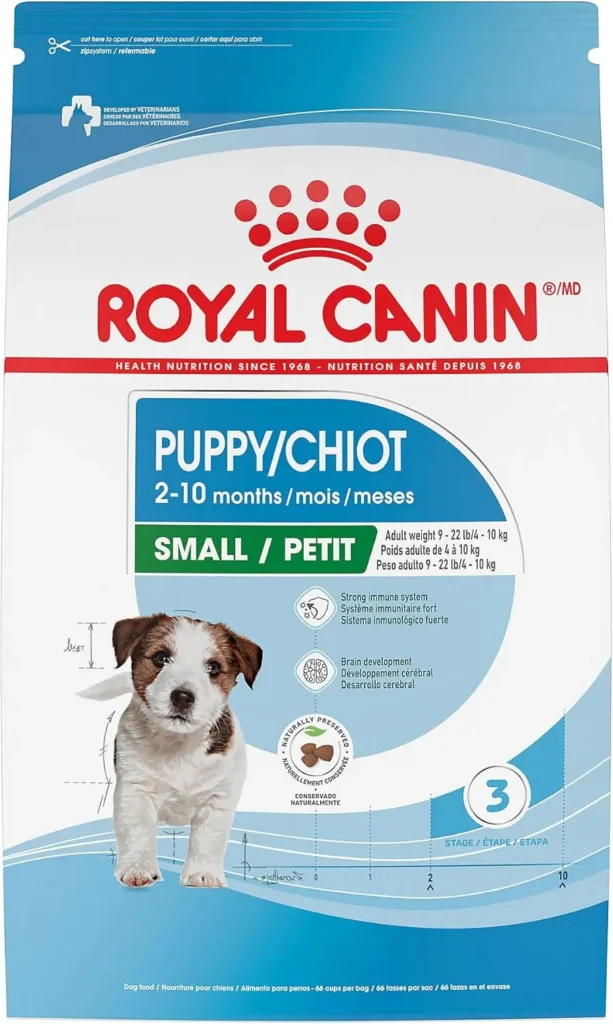
Royal Canin is world-renowned for its scientific approach to pet nutrition. Their puppy formulas are tailored to the specific needs of different sizes—Mini, Medium, and Giant—ensuring that every pup gets the exact calorie count they need.
Highly Digestible: Uses high-quality proteins (L.I.P.) and prebiotics for optimal stool quality.
Immune System Support: A complex of antioxidants, including vitamin E, helps support your puppy’s natural defenses.
Brain Development: Enriched with DHA to support cognitive function and trainability.
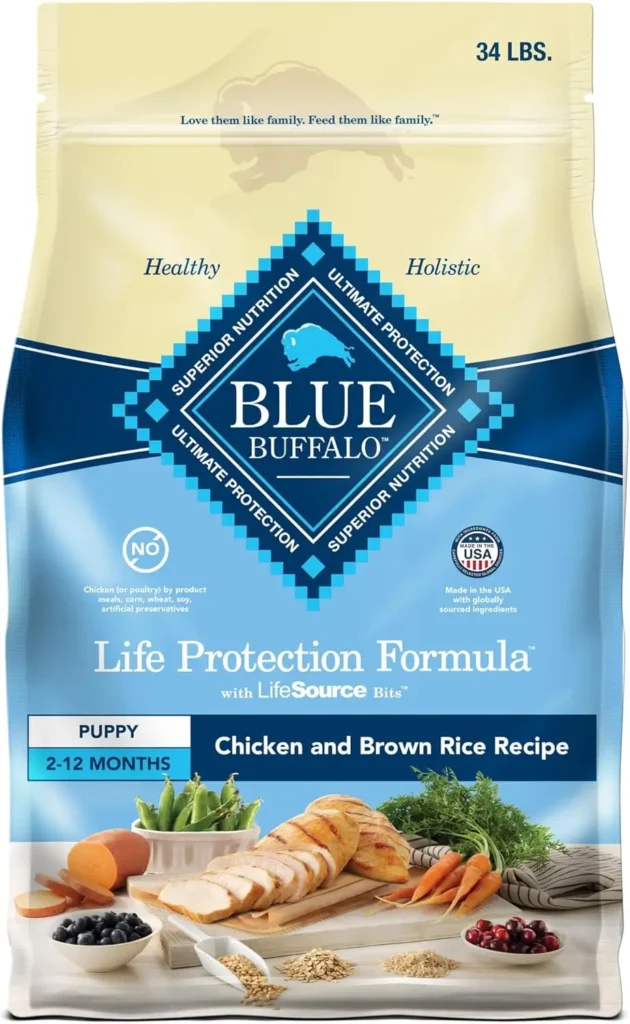
Review 2: Blue Buffalo Life Protection Formula Puppy
For owners looking for a more holistic approach, Blue Buffalo features “LifeSource Bits”—a precise blend of antioxidants, vitamins, and minerals selected by holistic veterinarians and animal nutritionists.
Omega 3 & 6: Essential fatty acids for a healthy skin barrier and a gleaming coat.
Real Meat First: Always features deboned chicken as the first ingredient to build healthy muscles.
No “Nasty” Fillers: Free from chicken or poultry by-product meals, corn, wheat, or soy.
Review 3: Purina Pro Plan Puppy
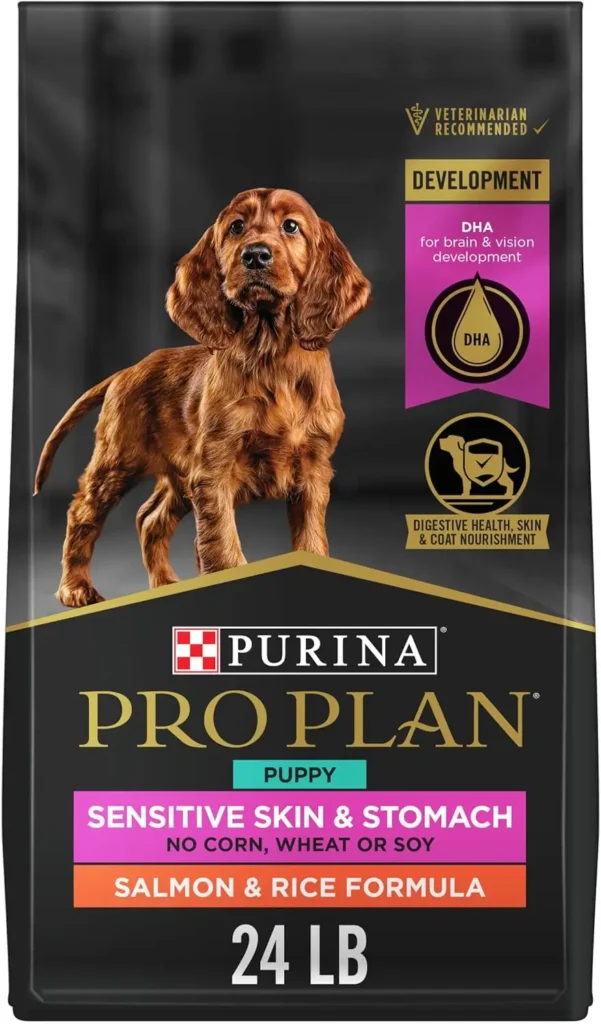
Many puppies struggle with traditional chicken-based diets. This lamb and rice formula is the gold standard for pups who experience gas, loose stools, or itchy skin during their first months.
No Artificial Colors: Focused on clean, high-performance nutrition.
Oatmeal & Rice: Gentle on the developing digestive system and easy to absorb.
Probiotics & Prebiotics: Fortified with guaranteed live probiotics for digestive and immune health.
Buyer’s Guide: What to Look for in Puppy Nutrition
When searching for the best dog food for puppies, don’t just look at the price tag. Focus on these four pillars of growth:
- AAFCO Statement: Ensure the bag says it is “complete and balanced for growth.” This confirms the food meets the basic nutritional standards for a developing dog.
- Protein Quality: The first ingredient should always be a recognizable animal protein (Chicken, Lamb, Salmon). Avoid “Meat Meal” or vague “Animal By-products” if possible.
- Caloric Density: Puppies need more calories per pound than adults. If the kibble is too light, your puppy will have to eat massive amounts to stay full, which can lead to bloating.
- Kibble Size: Make sure the kibble is size-appropriate. Small breed puppies can choke on large kibble, while large breeds might swallow small kibble whole without chewing, leading to digestion issues.
As your puppy grows, their sleeping habits will change. Prepare for their adult years by reading about the best orthopedic dog beds for senior dogs.
Puppies are messy! Keep your home smelling fresh during those potty-training months with the best air purifiers for pet odors.
Check the FDA’s Pet Food Safety Guidelines to stay updated on the latest nutritional recalls.
Final Thoughts
The best dog food for puppies is an investment in your dog’s future. By providing the right balance of protein, fat, and minerals now, you are ensuring a lifetime of health, vitality, and happy memories. Choose wisely, and enjoy every second of your new puppy’s growth journey!