
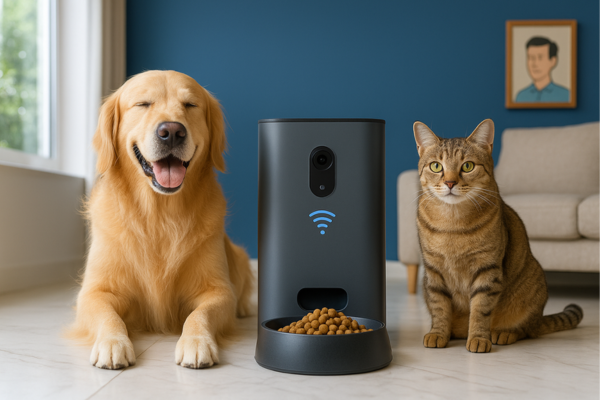
The Growing Concern of Leaving Pets Home Alone
As modern life gets busier, many pet owners find themselves leaving their pets home alone for extended periods—whether due to work, travel, or unexpected emergencies. While pets are often resilient, prolonged periods of solitude can lead to several concerns:
- Missed or delayed meals
- Anxiety or behavioral issues
- Risk of overfeeding or underfeeding
- Lack of mental stimulation
- Worry about accidents or malfunctions with traditional feeders
For responsible pet parents, ensuring their pets are safe, healthy, and comfortable even in their absence is a top priority.
The Rise of Smart Technology in Pet Care
To meet these challenges, smart pet care technology has become a fast-growing sector. Products like smart cameras, treat dispensers, automatic litter boxes, and—most notably—smart pet feeders are helping redefine what pet care looks like when you’re not home.
Smart feeders can:
- Dispense pre-measured meals on a schedule
- Allow for remote feeding via smartphone apps
- Send alerts when meals are delivered or missed
- Feature cameras and voice interaction for real-time connection
- Track feeding habits and portion control over time
This evolution in pet tech empowers owners to stay connected, automate care, and reduce the risks associated with leaving pets unattended.
Purpose of the Article: How Smart Feeders Offer Peace of Mind and Safety
This article aims to dive into the specific benefits of smart pet feeders and how they enhance your pet’s daily life—while also providing you with peace of mind. From improving feeding routines and health outcomes to enhancing home safety and pet-owner connection, we’ll explore the many ways smart feeders are changing the game. Whether you’re new to pet tech or looking to upgrade your current routine, this guide will help you understand why smart feeders are more than just a convenience—they’re a modern solution to age-old pet care concerns.
What Are Smart Pet Feeders?
Definition and Key Features
Smart pet feeders are advanced, automated devices designed to dispense pet food on a scheduled or on-demand basis using modern technology. Unlike basic automatic feeders, smart feeders connect to your smartphone or smart home system, offering a new level of convenience, customization, and interaction.
Key features often include:
- Scheduled feeding: Set exact times and portion sizes for meals
- Remote control via app: Feed your pet manually from anywhere
- Portion control settings: Prevent overfeeding and track nutrition
- Alerts and notifications: Get updates when food is dispensed or if there’s an issue
- Voice recording or 2-way audio: Talk to your pet during feeding time
- Built-in cameras: Monitor your pet live and record activity
These smart capabilities help owners maintain consistent feeding routines, reduce waste, and monitor their pet’s behavior—even when they’re not home.
Differences Between Traditional and Smart Feeders
While both traditional and smart feeders aim to simplify feeding, the difference lies in the level of control and interaction they offer:
| Feature | Traditional Feeders | Smart Pet Feeders |
| Scheduled Feeding | Limited (basic timers) | Precise, programmable schedules |
| Portion Control | Manual settings only | Adjustable by weight, volume, or pet needs |
| Remote Access | None | Full control via mobile apps |
| Alerts/Monitoring | Not available | Real-time notifications and activity tracking |
| Audio/Video Capabilities | Not included | Some offer 2-way audio and HD cameras |
| Smart Integrations | Not supported | May sync with Alexa, Google Home, etc. |
Smart feeders bring peace of mind to pet parents by offering full visibility and customization of their pet’s diet and routine, even from miles away.
Popular Types of Smart Pet Feeders
There are several types of smart feeders on the market, each catering to different pet needs and owner lifestyles:
- Wi-Fi-Enabled Feeders
- Connect to your home network
- Ideal for remote control and scheduling via apps
- Connect to your home network
- App-Controlled Feeders
- Use dedicated mobile apps to manage feeding times, portions, and history
- Some apps include health or feeding analytics
- Use dedicated mobile apps to manage feeding times, portions, and history
- Feeders with Built-In Cameras
- Provide live video streaming
- Great for checking in on pets or capturing cute moments
- Some include night vision and motion detection
- Provide live video streaming
- Voice-Enabled Smart Feeders
- Record personalized messages or use 2-way audio
- Comforts pets and maintains your presence when you’re away
- Record personalized messages or use 2-way audio
- Multi-Pet Feeders with Recognition Features
- Use RFID or facial recognition to identify pets
- Ensures the right pet gets the right meal—especially helpful in multi-pet homes
- Use RFID or facial recognition to identify pets
Smart feeders are more than high-tech gadgets—they’re reliable partners in keeping pets healthy, engaged, and well-fed even when life gets busy.
How Smart Pet Feeders Enhance Safety
Consistent Meal Scheduling
Regular meal timing is critical for a pet’s digestive health, energy levels, and emotional well-being. Smart feeders allow you to schedule feedings down to the minute, ensuring your pet receives their meals on a consistent basis—even when you’re running late, sleeping in, or traveling.
This consistency is especially vital for:
- Diabetic pets, who need meals aligned with insulin injections
- Senior pets, whose systems benefit from smaller, evenly spaced meals
- Anxious pets, who feel more secure with predictable routines
Instead of relying on human memory or availability, smart feeders create a stable feeding structure that supports your pet’s health and eases your worries.
Portion Control to Prevent Overeating or Starvation
Free-feeding or inaccurate portioning can cause serious health issues. Smart feeders are equipped with precise measurement controls, so you can set the exact amount of food your pet receives per meal.
Benefits of portion control include:
- Preventing obesity, which is linked to joint pain, diabetes, and heart disease
- Avoiding underfeeding, especially in fast-growing puppies, seniors, or sick pets
- Discouraging binge eating or food guarding, by promoting consistent, measured meals
- Tailoring nutrition per pet in multi-pet homes with specific dietary requirements
Many smart feeders also track and log feeding history, so you can monitor consumption over time and make adjustments with your vet’s guidance.
Remote Monitoring and App Alerts
Smart feeders offer peace of mind through app-based remote access. You’re not just automating feeding—you’re staying connected in real-time.
What you can monitor and control:
- View meal status: Confirm if and when your pet has eaten
- Manually feed on demand: Useful for surprise treats or extra feedings
- Receive alerts: For missed meals, jammed dispensers, empty food bins, or low battery
- Access feeding history: View past feedings to detect irregularities or patterns
These alerts help you act quickly in case something goes wrong—far better than coming home to find your pet anxious or hungry because a traditional feeder failed.
Built-in Cameras and Microphones (in Advanced Models)
Some premium smart feeders include built-in HD cameras and 2-way audio, letting you check on your pet and interact with them directly.
Safety and emotional benefits include:
- Visual reassurance: Watch your pet eat or rest in real time, confirming they’re okay
- Behavioral monitoring: Spot signs of stress, boredom, or illness
- Two-way communication: Calm your pet with your voice or reinforce training cues
- Motion alerts: Get notified when your pet approaches the feeder or acts abnormally
This is especially helpful for pets prone to anxiety or for owners who travel often and want to maintain a presence in their pet’s daily life.
Battery Backup for Power Outages
What happens if the power goes out while you’re away? Smart feeders with battery backup solve that problem by ensuring uninterrupted operation during electrical failures.
Here’s how this adds a safety layer:
- Continues to dispense scheduled meals, even during blackouts
- Protects pets from going hungry during natural disasters or outages
- Works during Wi-Fi loss, depending on model (pre-scheduled feedings still run)
- Great for travel or backup feeding setups in cabins, RVs, or off-grid locations
By using batteries as a secondary power source, smart feeders ensure your pet never misses a meal—even in the most unpredictable situations.
Safety Benefits for Different Pet Types
Smart pet feeders are more than a convenience—they’re a personalized safety solution that adapts to the specific behaviors, needs, and routines of different pets. Whether you have a curious cat, a routine-loving dog, or a house full of animals with clashing personalities, smart feeders can help create a safer, calmer environment for both pets and owners.
Cats: Reducing Boredom, Food Aggression, and Missed Meals
Cats are naturally independent, but that doesn’t mean they don’t crave routine and mental stimulation. In fact, unpredictable mealtimes or long hours of isolation can trigger stress-related behaviors or overeating. Smart feeders offer multiple safety benefits for felines:
- Eliminates missed meals: Even if you sleep in or are stuck at work, your cat still gets their food on time—vital for cats with sensitive stomachs.
- Controls portions: Cats are prone to obesity, especially if they “graze” all day. Smart feeders help you avoid overfeeding by dispensing measured portions.
- Reduces food-related aggression: When meals are timed and consistent, cats are less likely to feel anxious or territorial around food.
- Prevents boredom and destructive behavior: Some smart feeders offer puzzle or slow-feed modes, keeping your cat engaged during mealtime. This mental stimulation reduces restlessness, especially for indoor cats.
- Improves behavior: A cat that knows when to expect its next meal is generally more relaxed, less vocal, and less likely to overeat or vomit from hunger anxiety.
Smart feeders help align with your cat’s natural instincts while keeping their eating habits structured and healthy.
Dogs: Helping with Separation Anxiety and Maintaining a Routine
Dogs thrive on routine and interaction. When that structure is disrupted—like when you’re away for work—it can lead to stress, disobedience, or destructive habits. Smart feeders serve as a stabilizing tool to help dogs cope and stay safe when home alone:
- Reinforces a daily routine: Dogs find comfort in consistency. Smart feeders help replicate your presence by feeding them at regular, familiar times.
- Reduces separation anxiety: Some feeders let you record your voice or talk in real-time, offering a calming presence when you’re not home.
- Prevents behavioral issues: Timed meals can reduce stress-related behaviors like chewing, barking, or pacing.
- Ideal for puppies or elderly dogs: These dogs often require more frequent and precise feeding to support growth, energy, or medication timing.
- Supports training and discipline: Controlled feeding routines can be combined with positive reinforcement, helping with obedience and patience.
For dogs, smart feeders do more than deliver food—they deliver structure and emotional support.
Multi-Pet Households: Preventing Food Theft and Conflicts
Feeding multiple pets can be stressful, especially when they have different dietary needs, personalities, or eating paces. Smart feeders help bring peace to the chaos by creating individualized feeding experiences for each animal.
Key safety benefits include:
- Prevents food stealing: Pets that eat quickly or aggressively may try to access another’s food. Smart feeders can be set up to feed pets in different areas at different times.
- Reduces fighting and guarding behavior: When each pet has its own feeder and schedule, mealtime is less competitive, lowering the risk of tension or injury.
- Supports specialized diets: Whether one pet is on a prescription food or has allergies, smart feeders can ensure only the correct pet gets the correct food.
- Advanced recognition technology: Some feeders use RFID tags or facial recognition to identify pets and only open for a specific animal—perfect for keeping food thieves out.
- Less owner stress: You no longer need to supervise every meal or worry about one pet finishing another’s food.
For homes with multiple pets, smart feeders can restore order, promote fairness, and drastically reduce the risk of overfeeding, aggression, or medical complications caused by food mix-ups.
In short, smart feeders adapt to your household, making feeding time safer, calmer, and healthier for every pet. From solo cats to large, diverse pet families, smart feeders offer a customized layer of protection that traditional methods can’t match.
Tips for Using Smart Pet Feeders Effectively
While smart pet feeders can greatly enhance your pet’s safety and your peace of mind, getting the most out of them requires a bit of planning and proper usage. Here are some expert tips to help you use your smart feeder efficiently and confidently—whether you’re at work for the day or away for the weekend.
Choose the Right Feeder for Your Pet’s Needs
Not all smart feeders are created equal. Before buying, consider your pet’s size, diet, behavior, and any special needs.
Things to look for:
- Portion control features for pets on weight management plans
- Multiple meal scheduling for pets that eat more than twice a day
- Larger food capacity for big dogs or longer trips
- Anti-jam technology for pets that eat kibble of various shapes
- Compatibility with wet food, if required (some models are dry-food only)
- Microchip or RFID access, ideal for multi-pet homes
Choosing a model that fits your lifestyle and your pet’s specific habits ensures reliable performance and comfort for your furry friend.
Test It Before Leaving for Extended Periods
Before relying on a smart feeder while you’re away overnight or on vacation, do a full trial run while you’re still home.
Test checklist:
- Run the feeder through several scheduled meals
- Confirm accurate portion sizes are dispensed
- Ensure app alerts and notifications are working properly
- Observe your pet’s interaction—do they eat immediately? Are they confused or hesitant?
- Make sure the Wi-Fi connection is stable and the app doesn’t crash
This trial period lets you troubleshoot any issues, helps your pet get comfortable with the feeder, and gives you peace of mind knowing everything functions smoothly when you’re not home.
Pair with a Pet Camera for Full Coverage
While smart feeders automate the meal, pairing them with a pet camera gives you visual and emotional reassurance.
Why this combo works:
- Monitor your pet to ensure they’re eating and behaving normally
- Catch issues early—like spilled food, feeder clogs, or unusual behavior
- Ease separation anxiety by checking in or speaking to your pet remotely
- Record mealtimes for health tracking or just to enjoy cute moments
Some advanced feeders already include built-in cameras, but even a standalone camera positioned near the feeding area can provide valuable oversight and peace of mind.
Keep Dry Food Stocked and Feeder Clean
Smart feeders aren’t fully “set and forget”—they need occasional maintenance to keep working safely and effectively.
Maintenance best practices:
- Refill the food hopper regularly, especially if your feeder doesn’t have a low-food alert
- Use dry kibble only, unless the feeder is specifically designed for wet food
- Clean the food tray and hopper weekly to prevent buildup, odors, or mold
- Inspect moving parts to ensure nothing is stuck or worn down
- Keep the feeder in a cool, dry place away from direct sunlight or moisture
Proper upkeep ensures your pet continues to receive safe, fresh meals and reduces the risk of mechanical failures.
Using your smart pet feeder the right way ensures that it becomes a reliable part of your daily pet care routine—one that’s built on trust, consistency, and convenience for both you and your pet.
Conclusion
Recap of Key Safety Features
Throughout this article, we’ve explored how smart pet feeders go far beyond simply dispensing food. These intelligent devices are now essential safety tools in modern pet parenting. To recap, here are the standout safety features:
- Consistent Meal Scheduling: Ensures pets eat on time every day, which is critical for animals with health conditions or sensitive digestive systems.
- Portion Control: Prevents obesity or underfeeding by delivering accurate, pre-set amounts of food.
- Remote Monitoring & App Alerts: Allows pet owners to track feeding in real time, receive error notifications, and dispense food manually if needed.
- Built-in Cameras and Audio (Advanced Models): Enables visual check-ins and lets you speak to your pet from anywhere—great for reducing anxiety.
- Battery Backup: Keeps the feeder operating even during power outages or Wi-Fi loss, ensuring no missed meals in emergencies.
- Pet-Specific Features for Different Needs: Supports cats, dogs, and multi-pet households with targeted feeding strategies that promote fairness and safety.
These features don’t just automate your pet’s meals—they protect their health, reduce stress, and create peace of mind for you as an owner.
Final Encouragement to Invest in a Smart Pet Feeder
In today’s fast-paced world, no one can be home 24/7—but that doesn’t mean your pet has to suffer from inconsistent care. Smart feeders empower you to maintain structure, even when life gets unpredictable.
Whether you’re juggling work-from-home schedules, commuting, managing a household with multiple pets, or simply want to support your pet’s health more precisely, a smart feeder offers freedom without sacrifice. It’s like having a second pair of hands—or a trusted sitter—who’s always on time.
And the best part? These devices don’t just support pets with medical or behavioral needs. Every pet benefits from regular feeding, reduced anxiety, and mental stimulation—making smart feeders a proactive investment in your pet’s lifelong well-being.
Choose the Right Model for Your Pet’s Safety and Well-Being
Now that you understand the value of a smart pet feeder, the next step is to find one that fits your pet’s unique needs and your lifestyle. Here’s how to get started:
- Assess Your Pet’s Needs
- Do they need multiple small meals a day?
- Are they on a special diet?
- Do they get anxious when you’re away?
- Do they need multiple small meals a day?
- Compare Features Based on Lifestyle
- Do you travel frequently? Look for app control and camera integration.
- Live in an area prone to power outages? Choose one with battery backup.
- Own multiple pets? Consider RFID-enabled or multi-pet feeders.
- Do you travel frequently? Look for app control and camera integration.
- Read Reviews & Test at Home
- Choose a reputable brand with good customer support
- Do a test run before leaving your pet alone for long periods
- Choose a reputable brand with good customer support
👉 Your pet’s safety starts with reliable feeding. A smart feeder doesn’t just fill a bowl—it fills the gap when you can’t be there.