
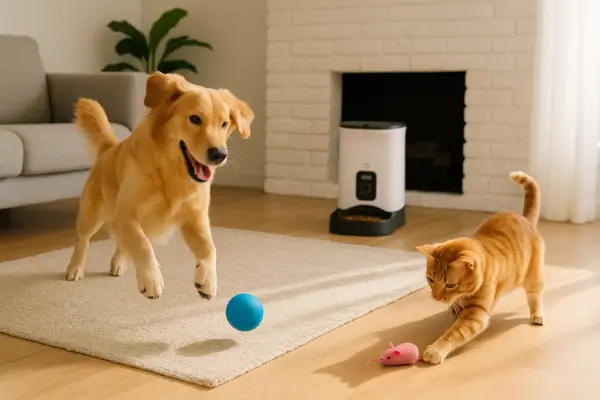
Feeding and play are two of the most essential aspects of your pet’s daily routine—and they’re more connected than many pet owners realize. A consistent, balanced routine that includes both nourishing meals and stimulating playtime can dramatically improve your pet’s physical health, emotional well-being, and overall behavior. When these two elements work in harmony, they help your pet feel secure, satisfied, and full of energy throughout the day.
Why is this balance so important? Pets, especially dogs and cats, thrive on structure. When meals are served at predictable times and followed by physical or mental stimulation, your pet begins to develop healthy rhythms—just like we do. This structure provides a sense of comfort, reduces anxiety, and helps regulate everything from metabolism to mood. On the flip side, irregular feeding or lack of play can lead to boredom, overeating, behavioral issues, and even obesity.
Timing plays a particularly critical role. Feeding your pet just before or after periods of activity can influence how energetic, sleepy, or responsive they are. A big meal followed by no movement may lead to sluggishness, while feeding right before play can either fuel their fun or cause discomfort if they’re too full to move. Understanding the ideal moments to feed and play ensures your pet stays active without stress and gets the most benefit from each activity.
The purpose of this article is to explore how feeding schedules can directly shape your pet’s play habits and energy levels. We’ll dive into the science behind timing, share practical tips for syncing meals and activity, and help you build a smart, structured daily routine that supports your pet’s health and happiness. Whether you’re a first-time pet owner or looking to fine-tune your routine, this guide will help you understand why when you feed and play matters just as much as what you feed.
How Feeding Affects Pet Energy Levels
Feeding your pet isn’t just about satisfying hunger—it directly influences how energetic, alert, and playful they feel throughout the day. The type of food you give, how much, and especially when you serve it can all shape your pet’s daily behavior and activity levels. Understanding these effects can help you create a routine that promotes a happier, healthier, and more active pet.
Nutritional Impact on Energy and Alertness
Just like with people, the nutrients in your pet’s food are key to how much energy they have. High-quality foods rich in protein, healthy fats, and complex carbohydrates provide steady energy throughout the day, while low-quality or filler-heavy diets may cause energy spikes followed by sudden crashes. Vitamins and minerals also support brain function and alertness, which are essential for interactive play and training.
For example, dogs that eat a protein-rich diet are often more focused and energetic during playtime, while pets with high-carb meals may experience quick energy followed by lethargy. Cats, being obligate carnivores, need meat-based diets to stay sharp and agile—poor nutrition can make them sluggish or disinterested in play altogether.
How Timing Meals Can Boost Play Readiness
Timing your pet’s meals with their natural activity cycles can make a big difference in their readiness to engage in play. Feeding your pet too close to playtime might lead to discomfort, bloating, or sluggishness, while feeding them too long before activity might leave them too hungry or low on energy to be playful.
For most pets, a light snack or meal 30 to 60 minutes before play can fuel their activity without weighing them down. After a more intense play session, a post-play meal can help with recovery and muscle repair, especially for active breeds or highly energetic pets.
Differences Between Feeding Before vs. After Playtime
Deciding whether to feed before or after play depends on your pet’s unique needs, schedule, and the intensity of the activity. Here’s a quick comparison:
- Feeding Before Play:
- Best for light or moderate activity
- Helps fuel energy and enthusiasm
- Should be a smaller portion to avoid discomfort
- Best for light or moderate activity
- Feeding After Play:
- Ideal for more vigorous or extended exercise
- Allows for full digestion without interruption
- Helps with muscle recovery and relaxation
- Ideal for more vigorous or extended exercise
Some pets do better with smaller, more frequent meals spaced around activity times, while others thrive on a set “play then eat” structure. Observing your pet’s behavior and comfort levels after different routines can help you find the best fit.
By fine-tuning what and when you feed your pet, you’ll support their energy needs and keep them engaged, active, and ready to play—leading to a more balanced and joyful life.
Behavioral Benefits of Linking Feeding and Play
Establishing a consistent routine that connects feeding with play doesn’t just improve your pet’s physical health—it also has powerful effects on their behavior and emotional well-being. Pets are creatures of habit, and when their day follows a predictable flow, they feel more secure, confident, and calm. When mealtimes and playtimes are strategically paired, they can reinforce positive behaviors, reduce anxiety, and make your pet’s environment more enriching and enjoyable.
How Routines Improve Mood and Reduce Anxiety
A predictable routine helps pets feel in control of their environment. When your dog or cat knows when to expect food and fun, they’re less likely to experience stress, boredom, or restlessness. This is especially important for pets that are prone to separation anxiety or destructive behavior when left alone.
A regular schedule can help reduce excessive barking, chewing, pacing, or other anxiety-driven behaviors. Knowing that meals and play come at specific times each day creates a rhythm that soothes and stabilizes your pet’s emotions—leading to a calmer, more content demeanor.
Association of Food with Positive Experiences
Pairing mealtimes with interactive or bonding activities, such as play or training, creates a strong positive association in your pet’s mind. Over time, they learn that good things happen around mealtimes—not just the food itself, but the attention, movement, and fun that follows.
This can be especially helpful when trying to train new behaviors or build trust, particularly with adopted or shy pets. For example, giving treats during a gentle play session or puzzle-feeding can build enthusiasm and confidence in a safe and rewarding way.
Encouraging Good Habits Through Structured Activities
Linking meals and play encourages healthier, more desirable habits. Pets who play after meals are more likely to stay at a healthy weight, expend extra energy, and avoid boredom-based behaviors like chewing or over-grooming. This structure also reinforces boundaries, as your pet learns that certain times are for eating, others for activity, and others for rest.
Over time, your pet will naturally anticipate these transitions—making daily routines easier to manage and improving cooperation. Whether it’s a short game after breakfast or a walk before dinner, structured activities build better behavior through consistency and positive reinforcement.
By intentionally linking feeding with play, you’re not just filling your pet’s belly—you’re enriching their mind, strengthening your bond, and guiding them toward a balanced and fulfilling lifestyle.
Ideal Timing: Feed Then Play or Play Then Feed?
One of the most common questions pet owners have when building a daily routine is: Should I feed my pet before playtime or after? The truth is, there’s no one-size-fits-all answer. The ideal timing depends on your pet’s species, age, activity level, and health needs. Understanding the pros and cons of each approach—and knowing how to tailor it—can help you create the best routine for your furry friend.
Pros and Cons of Each Approach
Feed Then Play:
Pros:
- Provides energy for light activity
- Can motivate pets to engage more enthusiastically
- Helpful for pets who are food-driven or anxious
Cons:
- Risk of discomfort, bloating, or vomiting if play is too intense
- May cause sluggishness if the meal is too large
- Not ideal for vigorous exercise right after eating
Play Then Feed:
Pros:
- Mimics natural hunting instincts (especially in cats)
- Safer for intense exercise or high-energy play
- Calms pets down after excitement with a rewarding meal
- Helps prevent post-meal digestive issues
Cons:
- Pets with low energy before meals may be harder to engage
- May need encouragement to play on an empty stomach
Recommendations by Pet Type
Dogs:
For active dogs, especially medium to large breeds, it’s often best to play before feeding—particularly if the activity involves running or jumping. This reduces the risk of bloat and supports digestion. A calm post-play meal also mimics their ancestral pattern of hunt → eat → rest. For smaller dogs or those with high food motivation, a light meal or treat before light play can help fuel the activity.
Cats:
Cats thrive on the “hunt–catch–eat” cycle. Short bursts of play followed by a small meal replicate their natural behaviors and can lead to more content, less anxious cats. Puzzle feeders after play can also extend the enrichment and satisfy their hunting instincts.
Small Animals (rabbits, guinea pigs, etc.):
These pets typically graze throughout the day, so the concept of “before vs. after” isn’t as rigid. However, offering fresh veggies or treats after a handling or play session can help build positive associations and reward social interaction.
Adjusting Based on Your Pet’s Energy Levels and Age
Puppies, kittens, and young pets often need multiple short bursts of activity and feeding throughout the day. Their routines can be more flexible but should avoid high activity immediately after meals. As they grow, more structured routines become important for behavior and training.
Senior pets or those with medical issues may need gentler schedules. They might do better with smaller meals given after light activity, allowing for comfortable digestion and joint-friendly movement.
Pay close attention to your pet’s signals:
- Are they sluggish after eating? Try playing first.
- Do they seem too tired to play on an empty stomach? Offer a small pre-play snack.
- Is digestion an issue? Delay play after meals for 30–60 minutes.
In the end, the best routine is the one that fits your pet’s individual needs. By observing how they respond to different schedules and adjusting accordingly, you’ll find the perfect balance that keeps them happy, healthy, and ready to play.
Using Feeding to Motivate Movement
Feeding time doesn’t have to be a passive experience. With the right tools and techniques, you can transform meals into an opportunity to stimulate your pet’s mind and body. By encouraging your pet to move, think, and “work” for their food, you’re not only adding fun to their routine—you’re also promoting physical activity, reducing boredom, and reinforcing good behaviors.
Puzzle Feeders and Treat-Dispensing Toys
Puzzle feeders and treat-dispensing toys are excellent ways to make your pet more active during mealtimes. These devices require your pet to solve a challenge—like rolling a toy, sliding compartments, or pawing open flaps—in order to access their food. This keeps them physically engaged and mentally stimulated, turning every bite into a reward for effort.
For dogs, toys like KONGs, wobble balls, and snuffle mats provide both exercise and enrichment. For cats, rolling treat balls and feeder mazes mimic their natural hunting behaviors. Even small pets like rabbits or hamsters can benefit from food hidden in hay or foraging toys.
Scheduled Feeding That Encourages Pets to “Work” for Food
Creating a feeding schedule with activity in mind can help motivate your pet to move throughout the day. Rather than leaving food out all the time, divide meals into smaller portions and offer them through engaging methods—like tossing kibble across the room to chase or hiding treats around the house.
This “work-for-food” approach:
- Prevents overeating
- Encourages natural instincts (hunting, sniffing, digging)
- Breaks up long periods of inactivity, especially for indoor pets
Over time, pets begin to associate movement with reward, making exercise a regular and enjoyable part of their routine.
Smart Feeders with Interactive Features
Modern smart feeders can also support active feeding habits. Some come with features like:
- Voice alerts that call your pet to the feeder, prompting them to move
- App-controlled treat release, allowing you to reward activity from anywhere
- Motion-based dispensing, where pets trigger treats by interacting with the device
Advanced models may even track feeding patterns and suggest adjustments to promote a healthier routine.
By combining technology with creative feeding strategies, you can turn mealtimes into moments of movement—fueling not just your pet’s body, but also their mind and natural instincts. Whether it’s through a simple puzzle toy or a high-tech feeder, using food as motivation is one of the most effective ways to keep your pet active and engaged every day.
Creating a Healthy Routine
A well-balanced daily routine that includes structured feeding and regular play is key to your pet’s physical health, emotional stability, and overall happiness. When meals and movement are timed intentionally, your pet knows what to expect and when—leading to better behavior, improved digestion, and fewer stress-related issues. Whether you’re starting from scratch or fine-tuning an existing routine, the goal is consistency, balance, and observation.
Sample Daily Schedule for Balance Between Food and Fun
Here’s a general example of a healthy routine for a typical adult dog or cat. Adjust the times and activities based on your pet’s age, breed, and energy level:
- 7:00 AM – Wake-up & light walk/play
- 7:30 AM – Breakfast
- 9:00 AM – Brief enrichment activity (e.g., puzzle toy, chew toy)
- 12:00 PM – Midday bathroom break / stretching / short walk
- 1:00 PM – Treat-dispensing toy or training session
- 5:00 PM – Active play session (fetch, tug, chase, wand toys, etc.)
- 6:00 PM – Dinner
- 8:00 PM – Calm bonding time (cuddling, grooming, or a slow walk)
For small pets or young animals, include additional small meals and shorter, more frequent activity sessions. For senior pets, prioritize gentle movement and longer rest periods, while maintaining a predictable flow to their day.
Tips for Consistency and Gradual Changes
Pets thrive on routine—but that doesn’t mean you can’t make changes. The key is to make adjustments gradually:
- Keep feeding and play times within the same 1-hour window each day
- Introduce new routines slowly, especially with anxious or older pets
- Use cues (like a specific toy or phrase) to signal mealtimes or play
- Avoid abrupt schedule shifts, which can cause stress or digestive issues
Use a printed schedule or phone reminders to stay on track until the routine becomes second nature—for both you and your pet.
Monitoring Your Pet’s Behavior and Adapting as Needed
Even the best routine needs fine-tuning. Watch for behavioral cues that indicate whether your pet is comfortable and satisfied:
- Are they overly energetic or restless after meals? Add a post-meal play session.
- Do they seem too tired to play in the evening? Shift active time earlier.
- Are they gaining or losing weight? Reevaluate portion sizes and activity levels.
- Showing signs of anxiety or boredom? Add variety or enrichment toys.
Regularly reviewing your pet’s behavior and energy throughout the day helps ensure their schedule is truly supporting their needs.
Creating a routine is more than just organizing your day—it’s a way to build trust, reduce stress, and make sure your pet is thriving physically and emotionally. With consistency, attentiveness, and a little flexibility, you’ll craft a daily rhythm that keeps your pet happy, healthy, and excited for what comes next.
Common Mistakes to Avoid
Even with the best intentions, small missteps in your pet’s daily routine can have a big impact on their energy, behavior, and overall well-being. By being aware of common mistakes—especially when it comes to timing meals and play—you can avoid issues like digestive discomfort, restlessness, or lack of motivation. Here are three key pitfalls to watch out for:
Overfeeding Before Intense Play
Feeding your pet a large meal right before high-energy activity is one of the most common (and risky) mistakes. For dogs, in particular, this can increase the risk of bloat or gastric torsion, a serious and potentially life-threatening condition. Even in cats or small animals, full stomachs before running or jumping can lead to discomfort, vomiting, or sluggishness.
Tip:
Allow at least 30–60 minutes after a full meal before engaging in vigorous play. If your pet needs fuel beforehand, offer a light snack or a small portion instead.
Skipping Play After Feeding and Causing Boredom
On the other end of the spectrum, some pet owners skip activity altogether after meals—especially in indoor environments. While rest is important after eating, doing nothing for too long afterward can lead to boredom, weight gain, or destructive behavior (like chewing or excessive barking in dogs, or scratching in cats).
Tip:
Use low-intensity activities after meals—like puzzle toys, training games, or slow-paced play—to stimulate your pet’s mind without overexerting their body.
Ignoring Signs of Fatigue or Overexcitement
Pets can’t speak up when they’re tired or overstimulated, but they do show signs. Pushing your pet to play when they’re exhausted or feeding them immediately after intense play can backfire. You may notice heavy panting, reluctance to engage, or restlessness—not recognizing these signals can lead to stress or injury.
Tip:
Pay attention to body language. If your pet seems tired, allow them to rest before offering food or play. If they’re overly excited, help them wind down with calm activities before meals.
Conclusion
Feeding and play are two of the most important pillars of your pet’s daily life—and when timed and structured thoughtfully, they can work together to create powerful benefits for both physical and emotional health. Far beyond just satisfying hunger or burning energy, the connection between when your pet eats and when they play can directly influence their mood, behavior, digestion, and overall wellness.
As we’ve explored in this guide, meal timing plays a key role in energy management. Feeding right before intense play can lead to discomfort, while eating afterward can help pets wind down and recover. By observing your pet’s natural rhythms and aligning meals with their most active times, you can encourage better focus, more enthusiasm during play, and a calmer, more predictable household routine.
We also highlighted the behavioral benefits of routine—how pairing feeding with activity reduces anxiety, improves mood, and encourages healthier habits over time. From puzzle feeders that promote movement to smart devices that help manage mealtimes, there are countless ways to turn feeding into a fun, engaging, and mentally stimulating part of your pet’s day.
But perhaps the most important takeaway is this: there’s no universal formula. Each pet is unique, with their own energy levels, preferences, and needs. What works for one dog or cat might not suit another. That’s why your role as a pet owner is so important—your careful observation, consistency, and willingness to adapt will make all the difference.
Here’s what you can do moving forward:
- Take note of how your pet behaves before and after meals.
- Adjust feeding times to better match their energy highs and lows.
- Introduce playful feeding tools to encourage movement and reduce boredom.
- Maintain a steady routine, but stay flexible as your pet ages or their needs change.
By fine-tuning your pet’s daily rhythm and creating harmony between food and fun, you’ll help them live a more balanced, happy, and healthy life. Small changes in your routine can lead to big improvements in your pet’s well-being—and a stronger bond between you both.
Start today—observe, adjust, and build a daily rhythm that truly supports your pet’s best life.