
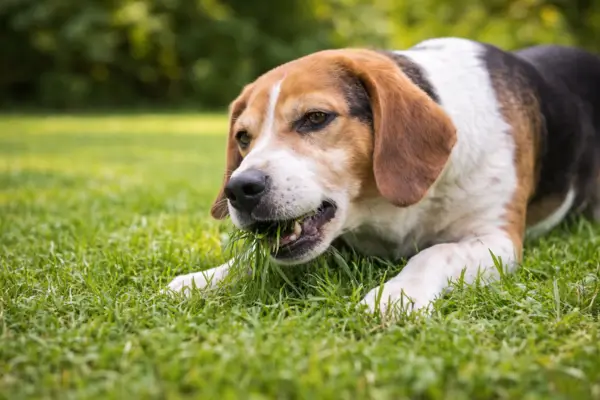
Why do dogs eat grass is a question many pet owners ask after noticing their dog munching on grass during walks or in the backyard. While it may seem strange or even concerning, this behavior is actually quite common among dogs.
Many dogs occasionally eat grass, and in most cases it is completely normal. However, understanding why dogs do this can help owners recognize when the behavior is harmless and when it might signal something that needs attention.
In this article, we’ll explore the most common reasons dogs eat grass and when pet owners should consider speaking with a veterinarian.
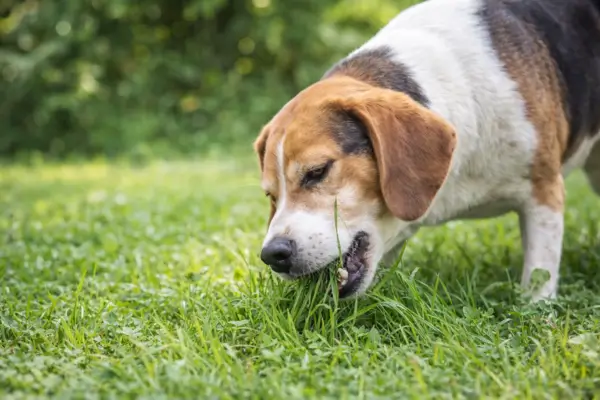
Why Do Dogs Eat Grass?
There are several possible explanations for this behavior. Dogs may eat grass for reasons related to instinct, digestion, boredom, or even curiosity.
In most cases, grass eating is not dangerous. Many veterinarians consider it a normal behavior that has been observed in dogs for centuries.
Let’s explore some of the most common reasons behind it.
Instinct From Their Ancestors
Dogs are descendants of wild canines that often consumed entire prey animals. When wild animals eat their prey, they also consume the stomach contents, which often include plants and grass.
Because of this evolutionary history, some dogs may naturally be inclined to eat grass as part of their instinctual behavior.
Even though modern dogs eat commercial dog food, those instincts may still remain.
Digestive Support
One common theory is that dogs eat grass to help with digestion.
Grass contains fiber, which can help move food through the digestive system. Some dogs may instinctively eat grass if their stomach feels upset or if they need additional fiber in their diet.
However, studies show that most dogs who eat grass are not actually sick beforehand, meaning digestion is only part of the explanation.
Digestive health can also play a role in your dog’s eating habits. If your dog has frequent stomach discomfort, improving gut health may help. You can read our guide on Best Digestive Supplements for Dogs: Improve Gut Health and Reduce Odor to learn which supplements may support your dog’s digestion.
Boredom and Lack of Stimulation
Dogs that are bored may look for ways to entertain themselves, and grass can become an easy target.
Dogs need both mental stimulation and physical activity to stay healthy and happy. When they don’t get enough exercise or playtime, they may start chewing or eating things around them.
This behavior is similar to dogs chewing on furniture, toys, or shoes when they have excess energy.
Regular playtime, walks, and interactive toys can help reduce boredom-related behaviors.
Curiosity and Exploration
Dogs experience the world through their senses, especially their mouths and noses. Eating grass may simply be a way for dogs to explore new textures, smells, and tastes.
Puppies are especially curious and may try chewing grass just to see what it feels like.
Most dogs eventually grow out of this exploratory phase.
Nutritional Deficiencies
Some people believe dogs eat grass because they are lacking certain nutrients in their diet.
While this theory is often discussed, there is limited scientific evidence supporting it. Most commercial dog foods already provide balanced nutrition.
However, if a dog frequently eats grass or shows signs of poor health, it may be worth reviewing their diet with a veterinarian.
Does Eating Grass Make Dogs Vomit?
Many pet owners assume dogs eat grass to make themselves vomit when they feel sick.
While this does happen occasionally, studies show that only a small percentage of dogs vomit after eating grass.
In fact, most dogs eat grass and continue their day normally without any signs of illness.
So while grass eating may sometimes be linked to an upset stomach, it is not usually the primary reason.
Is Eating Grass Safe for Dogs?
In most cases, eating grass is harmless. However, there are a few things dog owners should be cautious about.
Pesticides and Chemicals
Grass that has been treated with pesticides, herbicides, or fertilizers can be harmful to dogs.
Always avoid letting your dog eat grass from areas that may have been chemically treated.
Parasites
Grass can sometimes contain parasites or bacteria that could affect your dog’s health.
While the risk is generally low, it’s still a good idea to monitor your dog during walks.
Excessive Grass Eating
If your dog constantly eats large amounts of grass or vomits frequently afterward, it may indicate a digestive issue that should be checked by a veterinarian.
According to the American Kennel Club, many dogs occasionally eat grass and the behavior is usually normal as long as the dog is otherwise healthy.
How to Reduce Grass Eating
If your dog frequently eats grass and you want to reduce the behavior, there are several things you can try.
Increase Exercise
More daily activity can reduce boredom and destructive habits.
Provide Mental Stimulation
Puzzle toys, training exercises, and interactive play can help keep dogs mentally engaged.
Improve Diet Quality
A high-quality, balanced diet may help support better digestion and overall health.
Offer Safe Chew Alternatives
Providing safe chew toys can help redirect chewing behavior away from grass.
Regular grooming and hygiene also help keep dogs comfortable and reduce unusual behaviors. If you want to maintain your dog’s coat and skin health, check our guide on Best Dog Shampoos for Sensitive Skin (Top 2026 Picks).
When Should You Be Concerned?
Occasional grass eating is normal and usually not a reason to worry.
However, you should contact a veterinarian if your dog:
- eats grass excessively
- vomits frequently after eating grass
- appears lethargic or sick
- refuses regular food
These symptoms could indicate a digestive problem or another health concern.
Final Thoughts
Why do dogs eat grass is a common question among dog owners, but in most cases the behavior is completely normal. Dogs may eat grass due to instinct, curiosity, boredom, or mild digestive needs.
As long as your dog is healthy and the grass is free from harmful chemicals, occasional grass eating is generally safe.
However, monitoring your dog’s behavior and ensuring they receive proper exercise, mental stimulation, and a balanced diet will help keep them healthy and happy.