
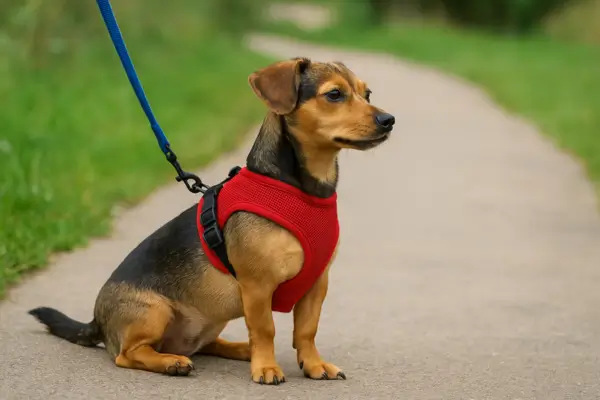
Finding the best dog harness for small dogs is essential for pet parents who want to keep their pups safe, comfortable, and well-supported during walks. Small dogs have delicate necks and bodies, which means the wrong harness can cause discomfort, restricted movement, or even injury. Choosing the right fit makes daily walks more enjoyable for both you and your dog.
Many dog owners switch from collars to harnesses after noticing pulling, coughing, or anxiety during walks. A well-designed harness distributes pressure evenly across the chest instead of the neck, reducing strain and improving control. This is especially important for small breeds that are more prone to tracheal issues.
In this guide, you’ll learn what features matter most, how to choose the right size, and which harness styles work best for small dogs. We’ll also share expert tips to help you find reliable, Amazon-friendly options that combine safety, comfort, and ease of use.
⭐ 1. Why Small Dogs Need a Proper Harness
According to veterinary experts, harnesses help reduce pressure on a dog’s neck and trachea, especially in small breeds. The American Kennel Club explains this in detail in their guide on proper walking equipment for dogs.
Small dogs require special consideration when it comes to walking equipment. Their lightweight frames and sensitive necks make collars less ideal, especially for dogs that pull or get startled easily.
A harness offers better support and gives you more control without causing pain. It also helps nervous or energetic dogs feel more secure during outdoor activities.
Step-by-step: benefits of using a harness
- Reduces neck strain – Prevents pressure on the trachea.
- Improves control – Easier to guide small dogs safely.
- Increases comfort – Even pressure distribution across the chest.
- Enhances safety – Less risk of slipping out during walks.
- Builds confidence – Dogs feel more secure and relaxed.
⭐ 2. Best Dog Harness for Small Dogs: Key Features to Look For
Not all harnesses are designed with small breeds in mind. Choosing one with the right features ensures your dog stays comfortable and protected.
Look for harnesses that combine soft materials, adjustable straps, and secure fastenings. These elements make a big difference in daily use.
We also publish detailed guides on dog walking habits, safety accessories, and everyday care to help small breeds enjoy stress-free walks.
Step-by-step: how to choose the right harness
- Check adjustability – Multiple adjustment points ensure a snug fit.
- Choose soft padding – Prevents rubbing and irritation.
- Look for lightweight materials – Avoid heavy or bulky designs.
- Secure closures – Strong buckles or Velcro for safety.
- Reflective details – Improve visibility during evening walks.
⭐ 3. Types of Harnesses for Small Dogs
There are several harness styles available, and each serves a different purpose. Understanding these options helps you pick the best match for your dog’s behavior and lifestyle.
Some harnesses prioritize control, while others focus on comfort or ease of use.
Step-by-step: popular harness styles
- Step-in harness – Easy to put on, ideal for calm dogs.
- Vest harness – Provides extra comfort and even pressure distribution.
- No-pull harness – Designed to discourage pulling gently.
- Over-the-head harness – Lightweight and minimal design.
- Adjustable harness – Grows with your dog and ensures long-term use.
⭐ 4. How to Measure Your Dog for the Perfect Fit
Even the best harness won’t work if it doesn’t fit properly. Measuring your dog correctly is one of the most important steps in the buying process.
A well-fitted harness should be snug but not tight, allowing your dog to move freely without slipping out.
Step-by-step: measuring your small dog
- Measure chest girth – Around the widest part of the chest.
- Measure neck circumference – Where the collar normally sits.
- Check manufacturer sizing charts – Sizes vary by brand.
- Allow room for movement – Two fingers should fit under straps.
- Test indoors first – Ensure comfort before outdoor walks.
⭐ 5. When to Replace Your Dog’s Harness
Harnesses wear out over time, especially with daily use. Knowing when to replace one helps maintain safety and comfort.
Ignoring signs of wear can lead to broken straps or poor fit, increasing the risk of escape or injury.
Step-by-step: signs it’s time for a new harness
- Frayed straps or stitching – Indicates weakening material.
- Loose fit despite adjustments – Straps no longer hold properly.
- Broken buckles or clips – Safety risk during walks.
- Visible discomfort – Rubbing, redness, or resistance from your dog.
- Growth changes – Puppies may outgrow harnesses quickly.
🐕 Top Amazon Picks: Best Dog Harness for Small Dogs
1. Puppia Soft Dog Harness (Vest Style)
Why it stands out:
One of the most popular harnesses for small dogs on Amazon. Lightweight, breathable, and extremely comfortable for daily walks.
✅ Benefits
- Reduces pressure on the neck
- Soft mesh fabric for comfort
- Easy to put on and take off
- Ideal for small and toy breeds
✔️ Pros
- Very lightweight
- Great for dogs with sensitive necks
- Affordable price
❌ Cons
- Not ideal for strong pullers
- Limited adjustment points
2. Voyager Step-In Air Dog Harness
Why it stands out:
Designed for ease of use, this step-in harness is perfect for small dogs that dislike overhead harnesses.
✅ Benefits
- No need to pull over the head
- Breathable air mesh material
- Secure hook-and-loop closure
- Good airflow for warm weather
✔️ Pros
- Very easy to use
- Comfortable for anxious dogs
- Reflective bands for visibility
❌ Cons
- Velcro can wear over time
- Not ideal for heavy pullers
3. Rabbitgoo No-Pull Dog Harness (Small Size)
Why it stands out:
A no-pull design that offers better control while still being comfortable for small dogs.
✅ Benefits
- Front and back leash attachment
- Reduces pulling behavior
- Adjustable straps for better fit
- Padded chest and belly panels
✔️ Pros
- Excellent control
- Durable materials
- Suitable for training walks
❌ Cons
- Slightly bulkier than vest harnesses
- May feel heavy for very tiny breeds
4. PetSafe Easy Walk Dog Harness (Small Dogs)
Why it stands out:
Highly recommended by trainers for dogs that pull. Redirects movement without choking.
✅ Benefits
- Prevents pulling gently
- No pressure on the throat
- Improves leash manners
- Lightweight design
✔️ Pros
- Trainer-approved
- Effective for leash training
- Simple design
❌ Cons
- Takes time to fit correctly
- Less padding than other options
5. Kurgo Tru-Fit Smart Dog Harness (Small Size)
Why it stands out:
A premium harness built for safety and durability, including car-travel compatibility.
✅ Benefits
- Crash-tested for car safety
- Strong and secure materials
- Comfortable padded chest plate
- Suitable for walking and travel
✔️ Pros
- Very durable
- Multi-purpose use
- Excellent quality
❌ Cons
- Higher price point
- Heavier than basic harnesses
❤️ Conclusion: Comfortable Walks Start with the Right Harness
Choosing the best dog harness for small dogs is more than a simple accessory decision — it’s an investment in your dog’s safety, comfort, and happiness. The right harness protects delicate areas, improves control, and turns daily walks into enjoyable bonding moments instead of stressful routines.
By focusing on fit, materials, and design, you can confidently select a harness that suits your dog’s unique needs. Small changes like this can make a big difference in your dog’s quality of life, helping them feel secure, supported, and excited for every walk by your side.
Your dog trusts you to keep them safe — and the right harness is a beautiful way to show that care.