
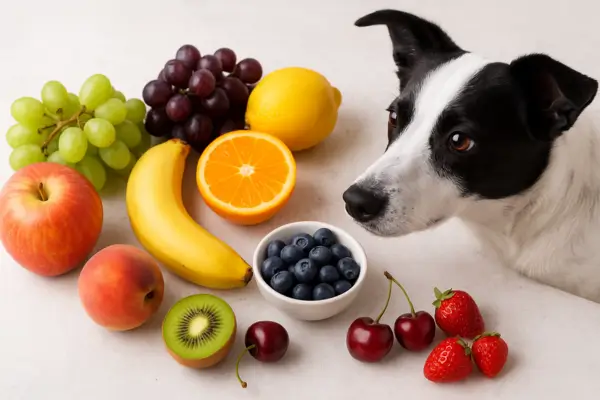
When it comes to sharing food with our pets, many owners wonder what fruits can dogs not eat. While some fruits are packed with vitamins and are perfectly safe, others can be toxic or cause severe digestive problems. Understanding which fruits to avoid is crucial for keeping your furry friend healthy and full of energy.
Understanding which fruits are safe and which ones pose risks is essential for your dog’s health. While many fruits offer vitamins and hydration, others contain compounds that can lead to digestive issues, kidney failure, or worse. Responsible pet care means knowing the difference.
This guide will walk you through the most dangerous fruits for dogs, explain why they’re harmful, and offer safer alternatives. Whether you’re a new dog owner or a seasoned pet parent, this information will help you make better choices for your pup’s diet.
Toxic Fruits: What Fruits Can Dogs Not Eat and Why
Not all fruits are created equal when it comes to canine nutrition. Some contain toxins, pits, or high sugar content that can cause serious health problems. Here are the top fruits you should avoid:
- Grapes and raisins: Even small amounts can lead to kidney failure in dogs. The exact toxic compound is unknown, but the danger is well-documented.
- Avocados: They contain persin, a fungicidal toxin that can cause vomiting and diarrhea in dogs.
- Cherries: The pits, stems, and leaves contain cyanide, which is highly toxic. Even the flesh can be risky due to its sugar content.
- Currants: Like grapes, currants can cause kidney failure and should be completely avoided.
- Tomatoes (technically a fruit): Unripe tomatoes and tomato plants contain solanine, which is toxic to dogs.
These fruits are commonly found in kitchens and gardens, making accidental ingestion a real risk. Always keep them out of reach and educate family members about the dangers.
Hidden Dangers: Pits, Seeds, and Skins
Sometimes the danger isn’t in the fruit flesh itself but in the parts we don’t usually eat. Pits, seeds, and skins can pose choking hazards or contain harmful substances.
- Peach and plum pits: These can block your dog’s digestive tract and contain cyanide.
- Apple seeds: While the flesh is safe in moderation, the seeds contain cyanide and should be removed.
- Mango pits: These are large and can cause intestinal blockage if swallowed.
- Banana peels: Though not toxic, they’re hard to digest and can cause stomach upset.
If you do offer fruit to your dog, make sure it’s properly prepared—peeled, pitted, and sliced into manageable pieces. Even safe fruits can become dangerous if served incorrectly.
Sugar Overload: Fruits That Are Safe but Should Be Limited
Some fruits aren’t toxic but are high in sugar, which can lead to obesity, diabetes, or dental issues in dogs. These include:
- Bananas
- Apples (without seeds)
- Blueberries
- Strawberries
- Watermelon (seedless)
These fruits can be offered as occasional treats, not daily snacks. Think of them as dessert—not a staple. Always monitor portion sizes and observe how your dog reacts.
Safer Alternatives: Fruits Dogs Can Enjoy
Now that we’ve covered what fruits can dogs not eat, let’s look at the ones they can enjoy safely. These fruits are low in sugar, non-toxic, and packed with nutrients:
- Cantaloupe: Rich in vitamins A and C, and hydrating.
- Pineapple (in small amounts): Contains bromelain, which aids digestion.
- Apples (peeled and seedless): A crunchy treat full of fiber.
- Blueberries: Antioxidant-rich and great for brain health.
- Watermelon (seedless): Hydrating and refreshing, especially in summer.
Introduce these fruits slowly and in small quantities. Every dog is different, and some may have sensitivities even to safe fruits.
Homemade Fruit Treats for Dogs (Safe and Healthy Recipe)
If you want to spoil your pup with something fruity and safe after learning what fruits can dogs not eat, here’s a simple recipe packed with flavor and nutrition. These treats are free from harmful ingredients and perfect for cooling off on a warm day.
🍌 Ingredients:
- 1 ripe banana (peeled and mashed)
- ½ cup of unsweetened applesauce (no added sugar or xylitol)
- ½ cup of plain Greek yogurt (unsweetened)
- ¼ cup of chopped blueberries or strawberries (optional but delicious)
🥣 Instructions:
- In a medium bowl, mash the banana until smooth.
- Add the applesauce and Greek yogurt, mixing until fully combined.
- Stir in the chopped blueberries or strawberries.
- Spoon the mixture into silicone molds or an ice cube tray.
- Freeze for at least 3 hours or until solid.
🐾 Serving Tips:
- Serve 1–2 frozen treats as an occasional snack.
- Store them in the freezer for up to 2 weeks.
- Avoid adding grapes, citrus, or avocado—those are part of the list of what fruits dogs should not eat.
These frozen fruit bites are not only refreshing but also full of vitamins and antioxidants. They’re a safe way to let your furry friend enjoy the natural sweetness of fruits without any risks.
Signs of Fruit Toxicity in Dogs
If your dog accidentally eats a harmful fruit, symptoms may appear within hours. Watch for:
- Vomiting or diarrhea
- Lethargy or weakness
- Excessive drooling
- Abdominal pain
- Seizures or tremors
In severe cases, toxicity can lead to organ failure or death. If you suspect your dog has eaten something dangerous, contact your vet immediately. Time is critical.
Moldy or Unripe Fruits: A Silent Hazard
Even fruits that are normally safe can turn dangerous if they’re moldy or overripe. Mold produces mycotoxins, substances that can affect your dog’s nervous system, leading to tremors or seizures. Unripe fruits like green bananas or unripe tomatoes are also too acidic and may cause stomach issues.
Always check fruit quality before sharing it. If it doesn’t look or smell good enough for you, it’s definitely not good enough for your pet.
The Right Way to Offer Safe Fruits
When giving fruits that are safe for dogs—such as blueberries, apples (without seeds), watermelon (without rind or seeds), or strawberries—portion control is key. Fruits should never make up more than 10% of your dog’s daily diet. Too much natural sugar can cause weight gain or diabetes.
Introduce new fruits gradually and observe your dog for allergic reactions or digestive problems. If anything seems off, stop immediately and consult your veterinarian.
Final Thoughts: Safety First, Always
Understanding what fruits can dogs not eat is a key part of responsible pet ownership. While it’s tempting to share your snacks with your dog, their digestive systems are different from ours. What’s healthy for you might be harmful to them.
Stick to fruits that are known to be safe, and always prepare them properly. Avoid anything with pits, seeds, or high sugar content. And remember: when it comes to your dog’s health, caution is always better than regret.
By staying informed and vigilant, you can keep your dog happy, healthy, and safe—one treat at a time.