
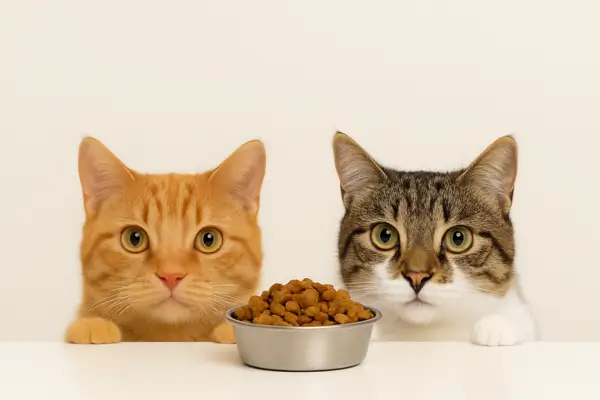
Food bad for cats is something every pet owner should know about. Cats may be curious creatures, but curiosity and food don’t always mix. Many pet parents are surprised to learn that some everyday foods can harm their feline friends. Understanding which foods are dangerous is key to keeping your cat safe and healthy.
Even if you think your cat wouldn’t dare touch something off-limits, accidents happen. A spilled plate or unattended snack can quickly turn into a trip to the vet. By learning about these toxic foods now, you can prevent health emergencies later.
Protecting your cat from food bad for cats is one of the most meaningful ways to show your love and care. Our cats rely on us to keep them safe, and every time we prevent a dangerous situation, we give them another chance to enjoy a healthy, playful life. Share this knowledge with other cat owners and make your home a safe haven. Avoiding toxic foods isn’t just about prevention—it’s about proving every day how much your feline companion means to you.
Food Bad for Cats: Onions, Garlic, and Related Foods
Onions, garlic, leeks, and chives can damage a cat’s red blood cells, leading to anemia. This can result in weakness, vomiting, or even life-threatening complications.
How to Keep Your Cat Safe:
- Avoid giving your cat any table scraps containing onions or garlic.
- Store onions and garlic in sealed containers out of your cat’s reach.
- Double-check labels on canned foods for cats and baby foods before offering them as treats.
Raw Eggs, Raw Meat, and Bones
While raw diets are trendy for some pets, they pose serious risks. Raw eggs may carry Salmonella, raw meat can contain harmful bacteria, and bones can splinter, causing internal damage.
How to Protect Your Cat:
- Cook all meat thoroughly before feeding it to your cat.
- Never give raw eggs as treats or supplements.
- Choose safe, vet-approved chew toys instead of bones.
Chocolate and Caffeinated Drinks
Chocolate contains theobromine, which is toxic to cats, and caffeinated drinks like coffee or tea can overstimulate their heart and nervous system. Even small amounts can be dangerous.
Steps to Prevent Accidents:
- Keep chocolate, coffee, and tea stored in closed cabinets.
- Wipe down counters where chocolate has been handled.
- Teach children in the home that chocolate is strictly off-limits for pets.
Alcohol and Raw Dough
Alcohol affects cats much more severely than humans, and even small doses can lead to liver failure. Raw bread dough is also risky because it can expand in the stomach and produce alcohol as it ferments.
What You Can Do:
- Clean up spills of beer, wine, or liquor immediately.
- Never leave rising bread dough on a counter unattended.
- If your cat consumes alcohol or dough, seek emergency veterinary help.
Milk and Dairy Products
Contrary to popular belief, most cats are lactose intolerant. Milk and cheese can cause diarrhea, bloating, and stomach pain.
How to Handle Dairy Safely:
- Avoid offering milk or cream as treats.
- Choose lactose-free cat milk available in pet stores.
- If you want to give dairy occasionally, start with a very small amount and watch for digestive issues.
Grapes and Raisins
Although the exact toxin is unknown, grapes and raisins can cause kidney failure in cats. This can happen even if your cat only eats a small quantity.
Steps to Stay Safe:
- Keep grapes and raisins off tables and counters.
- Dispose of fruit waste in a sealed trash can.
- Call your vet immediately if your cat eats any grapes or raisins.
Citrus, Tomatoes, and Salty Foods
Citrus fruits can irritate a cat’s digestive system, tomatoes can be toxic in large amounts, and salty foods may cause dehydration or sodium poisoning.
How to Reduce Risk:
- Avoid giving citrus peels, juices, or tomato-based sauces.
- Don’t season your cat’s food with salt.
- Keep chips and salty snacks out of reach.
What To Do if Your Cat Eats Toxic Foods
If your cat eats something harmful, quick action matters. Symptoms may include vomiting, drooling, diarrhea, tremors, or lethargy.
Step-by-Step Response:
- Identify what and how much your cat ate.
- Call your veterinarian or a pet poison helpline right away.
- Follow their advice before attempting home remedies.
How to Prevent Cats Eating Harmful Foods
Prevention is always easier than treatment. A few habits can drastically reduce the risk of your cat eating something harmful.
Simple Prevention Tips:
- Store all human food in cabinets or the fridge.
- Train family members not to feed the cat scraps.
- Provide your cat with balanced, vet-approved food so they are less tempted by table scraps.
Treatment for Cats That Have Eaten Toxic Food
Treatment depends on what your cat consumed and how quickly you respond. It may include induced vomiting, activated charcoal, IV fluids, or medication to protect organ function.
What to Expect:
- Take your cat to the vet or emergency clinic immediately.
- Bring a sample of the food or packaging for reference.
- Follow all veterinary instructions carefully, including follow-up care.
Emotional Connection and Final Thoughts
Our cats rely on us to keep them safe. Knowing what foods can harm them is one of the most loving things we can do as pet parents. Every time we prevent a potential accident, we give our cats another chance to live their playful, curious lives to the fullest.
Take this knowledge to heart, share it with other cat owners, and make your home a safe haven. Protecting your feline friend from harmful foods isn’t just about avoiding danger—it’s about showing them how much they mean to you.