
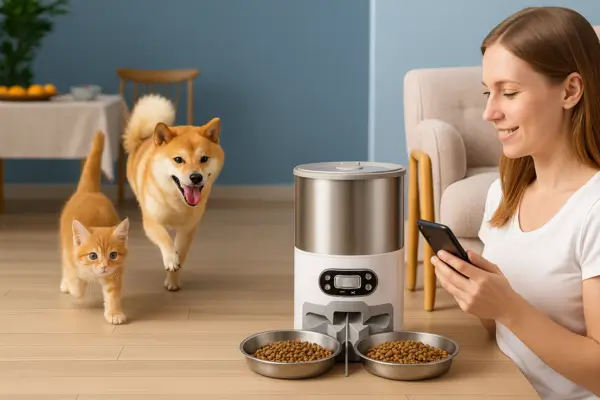
The Rise of Smart Pet Devices and Connected Feeders
In recent years, the pet tech industry has seen explosive growth. Smart pet feeders, wearable trackers, and AI-powered cameras have transformed the way we care for our pets. Automated feeders are especially popular among busy pet parents who want to ensure their pets are fed on time, even when they’re away. These devices offer features like portion control, feeding schedules, live video, two-way audio, and app notifications—all accessible through a smartphone. With convenience, however, comes connectivity—and that brings digital exposure.
The Often-Overlooked Importance of Cybersecurity in Pet Tech
While most users focus on convenience and functionality, they often overlook the security implications of these smart devices. Like any Internet of Things (IoT) product, smart pet feeders can be targeted by cybercriminals. If not properly secured, these devices may allow unauthorized access to live video feeds, feeding schedules, or even your location data via app usage. This opens up risks not only for your pets, but for your personal privacy and household safety. Cybersecurity in pet tech isn’t just a technical concern—it’s a matter of trust and protection.
Purpose: Explain Why Data Encryption Is Essential for Protecting Pets and Owners
The goal of this blog post is to highlight the importance of data encryption in smart pet feeders and other connected devices. Encryption ensures that the information transmitted between your feeder and your mobile app (or cloud storage) is unreadable to outsiders—even if intercepted. This means your pet’s data, video streams, feeding history, and login credentials remain secure. We’ll explore how encryption works, what features you should look for in a secure feeder, and tips to help you make safe choices for both you and your pet. In a world of increasing digital threats, smart care must also mean secure care.
What Is Data Encryption in Pet Technology?
Simple Definition of Encryption
Encryption is the process of transforming readable data into an unreadable format using a mathematical algorithm. Only someone with the correct “key” can decode and read the original information. In simple terms, encryption is like putting a letter in a locked box that only you and the recipient have the key to. In pet technology, this protects personal data shared between your devices and the cloud or mobile apps.
For example, if your smart pet feeder sends a feeding log to your phone, encryption ensures no one can “peek” at that information while it travels over the internet.
How It Works: Encoding Data So Only Authorized Parties Can Access It
When your smart feeder communicates with your smartphone app or the manufacturer’s servers, it sends data over the internet. Without encryption, this data could be intercepted by cybercriminals—especially if you’re using an unsecured or public Wi-Fi network.
Here’s what happens when encryption is active:
- Before transmission, the device uses an encryption algorithm (like AES-256) to scramble the data.
- During transmission, the data looks like a random string of characters—useless to anyone who intercepts it.
- Upon arrival, the authorized app or server uses a decryption key to turn the data back into its readable form.
This process protects your pet’s information from:
- Hackers trying to access your home network
- Data breaches involving app servers
- Unauthorized users trying to control your feeder or access camera footage
Most modern smart devices use end-to-end encryption, meaning the data is encrypted the moment it leaves your device and stays that way until it reaches its intended destination.
Types of Data Encrypted by Smart Pet Feeders
Smart feeders collect and transmit a surprising amount of information. Encrypting this data prevents it from being used in malicious ways. Here’s a breakdown of what’s typically protected:
- Feeding Schedules & Meal Logs:
This reveals your routine—and potentially when you’re not home. Without encryption, this could pose a physical security risk. - Live Video & Audio Feeds (if camera-enabled):
These feeds show the inside of your home. Without protection, strangers could spy on your living space, pets, or even your family. Encrypted video ensures privacy and safety. - App Login Credentials & User Data:
Names, email addresses, passwords, and phone numbers should be encrypted to prevent identity theft or unauthorized account access. - Device Commands:
Remote commands—like adjusting the portion size or triggering manual feeding—should be encrypted to prevent manipulation by outsiders. - Cloud-Based Recordings or Logs:
If your feeder stores videos or logs on the cloud, those files must be encrypted during upload and while stored to prevent unauthorized access.
Encryption may seem technical, but it’s essential. Just as you wouldn’t use a pet door that anyone can open, you shouldn’t use smart devices that leave your data unprotected. Encryption is what ensures only you stay in control—keeping your pet, your privacy, and your peace of mind secure.
Why Encryption Is Crucial for Pet Feeders
As smart pet feeders become more advanced and connected, the need for strong security grows alongside their convenience. Encryption plays a critical role in protecting both your digital privacy and your pet’s well-being. Here’s why it matters:
Protects Your Personal Information
Your smart pet feeder app likely stores sensitive personal data—such as your name, email, phone number, and even your address. Without encryption, this data is vulnerable to cybercriminals who can intercept it during transmission or access it through weak points in the system.
Why it matters: Hackers could use this information for identity theft, phishing scams, or even gaining unauthorized access to your home network.
Secures Live Video and Audio Feeds
Many modern feeders come equipped with cameras and microphones for live streaming, two-way audio, and recording features. Without encryption, these feeds can be hijacked—allowing strangers to watch inside your home or eavesdrop on conversations.
Why it matters: Encrypted video and audio ensure only you—and those you authorize—can monitor or interact with your pet remotely, preserving both your privacy and safety.
Prevents Unauthorized Control of Feeding Functions
Encrypted data also secures communication between your app and the feeder. This prevents unauthorized users from remotely altering feeding settings—like increasing portions, changing schedules, or even triggering feedings manually.
Why it matters: If someone gains control of your feeder, they could disrupt your pet’s routine, cause overfeeding or missed meals, and affect their health. Encryption ensures only approved commands are accepted.
Blocks Location and Routine Tracking
Smart feeders often log and store feeding times, activity levels, and even behavior patterns. This data, when unprotected, can be used to infer when you’re home or away.
Why it matters: Criminals could use this information to track your routines or target your home during times you’re not around. Encryption keeps this data out of the wrong hands by preventing unauthorized access or tracking.
Real Risks of Unsecured Pet Technology
While smart pet feeders and devices bring undeniable convenience, failing to properly secure them can expose you and your pets to risks that go far beyond minor glitches. These risks have been documented across smart home ecosystems and can cause financial loss, privacy violations, emotional distress, and even danger to animals. Let’s examine the main categories in more depth:
Documented Cases of Smart Home Device Hacks
The growing number of connected devices in homes has drawn the attention of hackers, pranksters, and even organized cybercriminals. Pet tech, which often has lower security standards than mainstream smart home devices, is especially vulnerable.
Examples:
- Hacked Pet Cams: In multiple incidents, strangers gained access to pet cameras through weak default passwords. In some cases, intruders used two-way audio to speak through the devices, startling both owners and pets.
- Exploited Feeder APIs: In 2022, cybersecurity researchers revealed that certain smart feeder apps did not encrypt communications between the app and device, allowing outsiders to intercept commands and access video feeds without authorization.
- Credential Stuffing Attacks: Hackers have also exploited pet tech platforms through reused or weak passwords, gaining control over multiple devices from different users.
The takeaway: Any device with Wi-Fi access, a camera, or app connectivity is a potential gateway into your personal data—and even your home.
Potential Dangers for Pets (Missed Meals, Stress, Overfeeding)
Unsecured smart feeders can be tampered with either maliciously or through software bugs introduced by unauthorized access.
Specific risks include:
- Missed Meals: If someone disables the feeder or reprograms the schedule, pets may miss important feedings, which is especially dangerous for pets with medical needs (e.g., diabetic cats or puppies on strict routines).
- Overfeeding or Repeated Feeding: Hackers—or even children accessing the app unsupervised—could trigger multiple feedings, potentially leading to vomiting, bloating, or long-term weight gain.
- Behavioral Stress: Unexpected changes in feeding patterns or audio commands can cause confusion and anxiety, especially in sensitive or rescue animals who thrive on consistency.
- Malfunction via Remote Access: Tampering with settings could disable the feeder’s motor or clog the dispenser—leading to malfunctions that go unnoticed if you’re away from home.
The takeaway: Insecure devices put your pet’s health and emotional stability at risk by interrupting the dependable care they rely on.
Risks for Owners: Data Breaches, Home Surveillance Leaks
The data collected by smart feeders often extends far beyond pet care. Many owners don’t realize how much sensitive personal information these devices process and store:
Data at risk:
- Live Video & Audio Streams: Feeders with cameras and microphones can unintentionally serve as surveillance tools for outsiders. Hackers could observe your living room, listen to conversations, or see when no one’s home.
- App Credentials & Payment Info: Many apps store login credentials, addresses, and even payment methods. A breach could lead to identity theft, financial loss, or exposure of sensitive personal data.
- Behavior & Routine Logs: Feeding patterns often mirror household activity (e.g., first feeding at 7:00 am = wake-up time). If this data is intercepted, it can reveal when you’re home, at work, or on vacation.
The takeaway: An unsecured pet feeder can become an unintentional “spy device,” making you and your household vulnerable to cybercrime, physical theft, or privacy violations.
Real-World Scenarios That Highlight the Risks:
- A pet owner using an unsecured feeder notices their dog is gaining weight. After reviewing logs, they discover the device had been remotely triggered by a third party through an exposed API.
- Another user experiences strange noises at night. It turns out someone accessed their feeder’s two-way audio and was testing the microphone.
- A hacker breaches a pet camera’s video feed and posts a clip online, exposing the owner’s home layout—information later used for a break-in.
How to Identify a Feeder with Proper Encryption
Choosing a smart pet feeder isn’t just about portion size and scheduling—it’s also about data protection. Many feeders appear similar on the outside, but the real difference often lies in what’s happening behind the scenes: how they manage your data. Here’s how to confidently evaluate whether a feeder offers genuine encryption and security—not just marketing buzzwords.
Look for Terms Like “End-to-End Encryption” or “AES-256” in Specs
When browsing product descriptions or user manuals, pay close attention to the security section. Reputable companies will clearly state the type of encryption they use because it’s a major selling point.
Key Terms to Understand:
- End-to-End Encryption (E2EE): This means data is encrypted before it leaves your app or feeder and can only be decrypted by the authorized recipient (usually the cloud server or your device). This prevents any third party—including the manufacturer—from reading the data in transit.
- AES-256: Stands for Advanced Encryption Standard with a 256-bit key—widely recognized as one of the most secure forms of encryption. This is the same encryption standard used by banks, government agencies, and major cloud services.
- TLS (Transport Layer Security): Used for secure internet communication (especially important if the feeder stores data or streams video to a cloud service). If the device uses HTTPS for remote access or cloud storage, TLS encryption is likely being used.
Red Flags:
- Vague language like “secured connection” or “safe data” without technical terms.
- No mention of encryption anywhere in the documentation or FAQ.
- Devices that rely entirely on third-party mobile apps with unknown developers.
Brands with a Reputation for Cybersecurity
Just like in any other tech category, some companies prioritize security more than others. A reputable brand often makes long-term investments in firmware updates, ethical hacking audits, and customer education. These brands also tend to follow global privacy regulations.
What to Look For:
- Security features listed on the brand’s website, such as encrypted video, encrypted commands, app permissions, and account protections.
- Frequent firmware updates that include security patches. You can often check update history on the brand’s support page or app store listings.
- Two-factor authentication (2FA): This adds another layer of login protection and shows the company takes account security seriously.
Examples of Brands That Prioritize Security:
- Sure Petcare (SureFeed Connect): Offers secure cloud integration with encrypted data and GDPR-compliant practices.
- Feeder-Robot (by Whisker): Known for integrating security features into all connected products.
- WOPET & PETLIBRO Smart Feeders: Some models offer app-level permissions, firmware updates, and encrypted cloud storage (check model-specific specs).
Tip: Avoid generic or white-label feeders with unknown apps or no website. These often skip encryption entirely.
Customer Reviews and Certifications (e.g., GDPR Compliance, ISO Standards)
Customer feedback and independent certifications provide valuable, unbiased insight into the device’s actual performance—especially in terms of security.
What to Watch For in Reviews:
- Positive mentions of privacy controls, data handling, or secure logins
- Complaints about feeders getting hacked, unusual behavior, or glitches during app use
- Ratings on app stores can also reveal whether the mobile platform is secure or buggy
Security Certifications to Look For:
- GDPR (General Data Protection Regulation): Required for European users, but shows strong data handling practices even outside the EU.
- ISO/IEC 27001: Internationally recognized standard for information security management systems.
- SOC 2 Type II Certification: Especially relevant if the company handles video or stores data on cloud servers.
Bonus Tip:
You can often find this information in the brand’s privacy policy, terms of service, or app permissions section. Look for clear explanations about:
- What data is collected
- How it’s encrypted or stored
- Who has access to it
If a feeder or brand is transparent about its data practices and security certifications, it’s a strong indicator of quality.
Summary Checklist: How to Spot a Secure Feeder
| Feature | What to Look For | Why It Matters |
| Encryption Terminology | End-to-End, AES-256, TLS, HTTPS | Confirms real data protection |
| Brand Reputation | Secure websites, app updates, 2FA | Trusted long-term product support |
| Privacy Policy Transparency | Clear about data use, encryption, sharing | Avoids vague or misleading claims |
| Customer Reviews | Mentions of reliability and privacy | Real-world proof of security |
| Certifications | GDPR, ISO/IEC 27001, SOC 2 | Verified compliance with security laws |
Best Practices for Securing Your Smart Pet Feeder
Even the most advanced smart pet feeder can become a weak point in your home’s digital security if not properly set up and maintained. Fortunately, there are simple steps every pet owner can take to ensure their feeder is protected from unauthorized access, cyber threats, and data leaks. Below are key best practices that can significantly strengthen your feeder’s security.
Use Strong, Unique Passwords for the App and Wi-Fi
A weak password is one of the easiest ways for hackers to gain access to your smart pet feeder or home network.
What to do:
- Create a unique password for your pet feeder’s app that is not used anywhere else.
- Use a mix of upper- and lowercase letters, numbers, and symbols.
- Avoid using pet names, birthdates, or common words like “password” or “admin.”
- Update your Wi-Fi router password if it still uses the default or something simple.
Use a trusted password manager to generate and store complex passwords securely.
Enable Two-Factor Authentication (2FA) If Available
Two-factor authentication adds a second layer of security to your login process, usually by requiring a code sent to your phone or email.
Why it matters:
Even if someone steals or guesses your password, they won’t be able to log in without that second authentication step. This prevents unauthorized access to the feeder, camera feed, and settings.
Look for apps that offer:
- SMS-based 2FA
- App-based 2FA (e.g., Google Authenticator or Authy)
If your feeder app doesn’t offer 2FA, request it from the manufacturer—it’s quickly becoming a security standard.
Regularly Update Firmware and Mobile Apps
Manufacturers often release updates to fix bugs and patch security vulnerabilities. Using outdated firmware or apps can leave your feeder exposed to known exploits.
Steps to follow:
- Turn on automatic updates in the app settings, if available.
- Check the brand’s website or app store page for changelogs and update notices.
- Schedule a reminder to check for updates monthly if the device doesn’t update automatically.
Why it matters: Many past feeder and camera breaches occurred after known vulnerabilities were left unpatched.
Monitor Device Activity and Access Logs
Some feeders offer access logs that track when feedings occurred, when the device was accessed, and which devices are connected.
How to use this feature:
- Review logs weekly for any unusual access times or settings changes.
- Monitor feeding history for unexpected manual feedings or skipped schedules.
- If your device supports it, enable alerts for every login or remote action.
If your feeder app shows unfamiliar devices or IP addresses accessing your account, log out of all sessions immediately, change your password, and contact customer support.
Conclusion
Encryption Isn’t Just for Banks—It Matters in Pet Care Too
When people think about encryption, they often picture banks, government systems, or business data centers. But today, even our everyday devices—like smart pet feeders—require the same level of protection. Why? Because these devices are now deeply embedded in our homes and routines.
Smart pet feeders manage:
- Private video and audio feeds inside your home
- Your pet’s health, feeding times, and behavior patterns
- Your personal and login information through cloud-connected apps
Without encryption, all of this information can become vulnerable. In short: if it connects to the internet, it needs to be protected. Just as you’d never leave your home’s front door unlocked, you shouldn’t leave your smart feeder unguarded either.
Encourage Readers to Take Data Privacy Seriously When Choosing Pet Tech
As the pet tech market grows, so does the variety in product quality and security. Many devices on the market focus heavily on features and affordability—often cutting corners on security in the process. Unfortunately, this can lead to real consequences, from feeding errors to privacy breaches.
That’s why it’s critical to:
- Read the specs and verify if the feeder uses AES-256 encryption, TLS, or end-to-end encryption
- Check for firmware update support and privacy policy transparency
- Choose well-reviewed brands that openly address cybersecurity and data protection
Don’t assume all feeders are created equal—prioritize brands that view encryption as a standard, not a luxury.
A Secure Feeder Means Peace of Mind for Both You and Your Furry Friend
Technology should work for you—not introduce new worries. When your smart feeder is protected with strong encryption and follows best practices, you can:
- Travel or work with confidence, knowing your pet is fed on time
- Avoid stress over device tampering or data leaks
- Feel safe using live video features without risking privacy
- Focus more on bonding with your pet and less on troubleshooting tech
At its core, a secure feeder is an act of love—a way to care not just for your pet’s hunger, but their safety, routine, and emotional well-being.