
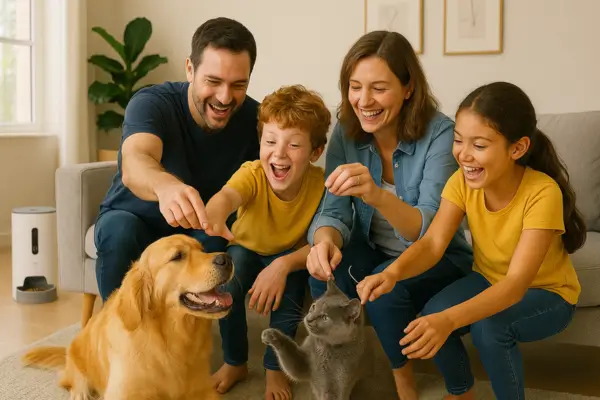
Importance of Light Activity After Eating for Pets
Just like with people, a little movement after meals can do wonders for a pet’s overall health. While high-energy play should be avoided immediately after eating, light activity helps promote better digestion, encourages natural movement, and prevents the sluggishness that often follows a full belly. Whether your pet is a curious cat or a lively dog, engaging in calm post-meal routines can support their physical and emotional well-being. These moments also provide opportunities for bonding, gentle training, or simply reinforcing daily structure.
Risks of Inactivity Post-Meal: Weight Gain, Sluggish Digestion
It’s common for pets to curl up and nap right after eating, but when this becomes routine, it can pose health risks over time. Prolonged inactivity after meals can lead to slower digestion, bloating, and weight gain — especially in indoor pets who already have limited physical outlets. Pets that consistently remain sedentary after meals may also experience decreased energy levels and a lack of mental stimulation. For older animals or those with existing health conditions, inactivity can aggravate mobility issues and contribute to discomfort.
Purpose: Share Effective Ways to Encourage Gentle Movement After Meals
The goal of this article is to offer pet owners a variety of simple, safe, and practical ideas to gently encourage their pets to move after eating. These strategies are designed to work with your pet’s natural rhythm — not against it — by promoting easy-going, enjoyable activities that won’t disrupt digestion or cause stress. From slow-paced walks and low-intensity games to brief training sessions and interactive toys, we’ll explore ways to make post-meal time both beneficial and enjoyable for your furry companion.
Why Post-Meal Movement Matters
Many pet parents focus on what their pets eat—but what happens after the meal can be just as important. Creating a habit of light activity following mealtime can dramatically improve your pet’s digestion, mental health, and long-term physical condition. This section explores in depth the science and behavioral benefits behind post-meal movement, especially for dogs and cats.
Aids Digestion and Prevents Bloating (Especially in Dogs)
After a hearty meal, your pet’s digestive system kicks into gear. But if they remain completely sedentary immediately after eating—especially lying on their side or curling up tightly—it may slow down this process. In dogs, particularly large or deep-chested breeds like Great Danes, Dobermans, and German Shepherds, bloat (gastric dilatation-volvulus) is a life-threatening concern. While high-energy exercise is strictly discouraged after meals, gentle activity (like slow-paced walking or light mental stimulation) may support the digestive process and lower the risk of complications.
Here’s how light activity helps:
- Stimulates gut motility: Encourages the stomach and intestines to begin moving food along naturally.
- Prevents gas build-up: Especially in dogs that eat quickly or swallow air while eating.
- Improves blood flow: Movement helps circulate nutrients and oxygen throughout the digestive tract.
- Reduces indigestion: Eases the transition from a full stomach to resting without causing gastrointestinal discomfort.
In cats, who are less prone to bloat but often sleep after eating, low-key activity—like chasing a feather toy or walking to a sunny spot—can help regulate digestion without stress.
Helps Regulate Weight and Energy
Obesity is one of the most common preventable health issues in pets today. Overfeeding combined with a sedentary lifestyle can lead to excessive weight gain, joint stress, and even chronic illnesses like diabetes or heart disease. Fortunately, just a few minutes of light movement after each meal can have a powerful cumulative effect.
Benefits include:
- Calories burned gradually: Even minor movement contributes to your pet’s daily energy output.
- Balanced energy release: Prevents spikes and crashes in energy throughout the day.
- Improved metabolism: Regular routines of movement help the body become more efficient in using calories and nutrients.
- Muscle tone maintenance: Light walking or interaction helps maintain strength, especially in aging pets or those with mobility limitations.
If you notice your pet becoming overly lethargic after meals, or gaining weight despite portion control, post-meal movement may be the missing piece of the puzzle.
Reduces Boredom and Destructive Behaviors
For many pets, especially those home alone for long periods, meals are a primary source of excitement. But once they’ve eaten, the “event” is over—and if nothing follows, boredom quickly sets in. Boredom is one of the leading causes of destructive behaviors in pets, such as:
- Chewing shoes or furniture
- Excessive barking or whining
- Digging or scratching
- Restlessness and anxiety
Adding a short, enriching activity after meals helps keep their minds stimulated and bodies gently active. You don’t need elaborate tools or complicated routines:
- For dogs: Try 5 minutes of nose work (scatter treats around a room), basic obedience commands using kibble, or a sniff walk outside.
- For cats: Try teaser toys, treat-dispensing puzzles, or simply guiding them to jump and explore new areas with a toy.
These moments are not only mentally enriching for your pet, but they also offer you a chance to bond and reinforce positive behavior.
Ideal Timing for Post-Meal Activity
Finding the right time to encourage movement after your pet eats is essential for their safety and comfort. While activity can bring many benefits, timing it improperly—especially too soon after eating—can cause discomfort or even serious health issues, particularly for dogs prone to bloating. This section will guide you through the ideal waiting periods, how to adjust timing based on your pet’s energy level, and how to recognize when your pet is naturally ready to move.
Waiting Period: How Long to Wait Before Encouraging Movement
Why wait?
After eating, blood is diverted to the digestive tract to aid in breaking down food. Too much physical exertion too soon after a meal can interfere with this process, leading to indigestion, vomiting, or in severe cases, gastric torsion (bloat)—a potentially fatal condition in dogs, especially large or deep-chested breeds.
Recommended wait times:
- Small to medium dogs (normal meal): Wait 10 to 15 minutes before encouraging calm activity such as walking or training with treats.
- Large or deep-chested dogs (e.g., Great Danes, Boxers, Dobermans): Wait 20 to 30 minutes, and stick to very light movement like sniff walks. Avoid running or jumping altogether.
- Cats: These independent creatures usually self-regulate. A 5 to 10 minute pause is generally sufficient before offering toys, a climbing post, or window exploration.
- Puppies and kittens: Because they eat smaller portions more frequently, a 5-minute wait is often all they need before safe, supervised play.
- Senior pets or pets with digestive issues: Wait at least 15–20 minutes and monitor closely for discomfort. Opt for very gentle movement only.
Tip: For meals that are larger than usual (e.g., special treats, high-protein dinners, raw bones), increase the waiting time accordingly — up to 45 minutes in some cases.
Low vs. High-Energy Pets and Timing Adjustments
Each pet is unique. Breed, age, energy level, and even emotional state can affect when they’re truly ready to move after eating. Here’s how to fine-tune the timing:
High-Energy Pets
- Examples: Border Collies, Huskies, Jack Russells, Bengals (cats)
- Tendency: Restlessness right after meals
- Strategy: Stick to the shorter end of the recommended wait time (10–15 minutes) and redirect their energy into something structured, like a sniffing game, puzzle toy, or brief training session using low-impact commands (sit, stay, touch).
Low-Energy Pets
- Examples: Bulldogs, Basset Hounds, Persians
- Tendency: Extended lounging and slower digestion
- Strategy: Wait a bit longer (20–30 minutes) before initiating any movement. When you do, opt for passive engagement—like calling them gently to another room or encouraging slow climbing onto a cat tree or dog bed.
Weather & Temperature Adjustments
- On hot or humid days, digestion can already be slowed. Add an extra 5–10 minutes to your wait time and opt for indoor movement or shaded outdoor areas.
- On cold days, your pet might want to nap longer. Use soft stimulation like massage or indoor fetch to ease them into activity after meals.
Pets with Health Conditions
Always consult your vet before introducing any routine change, especially if your pet has:
- Arthritis or mobility issues
- Gastrointestinal sensitivities
- Heart or respiratory problems
- A history of bloating or vomiting after meals
Signs Your Pet Is Ready to Move
Rather than relying solely on a clock, observe your pet’s behavior. Animals often give subtle signs that they’re feeling physically comfortable and mentally alert again.
Dogs
- Gets up from resting on their own without coaxing
- Stretches front to back (a “play bow” is a positive sign)
- Begins to pace, sniff around, or nudge you or their leash
- Looks alert, with a soft tail wag and relaxed ears
Cats
- Stops grooming or sleeping and starts walking around
- Flicks tail gently or perks up ears at sounds
- Jumps onto a window sill, countertop, or your lap
- Begins pawing at a toy or rubbing against furniture
Not Ready Yet? Watch for These Signs:
- Lying on their side or belly with little movement
- Heavy breathing, burping, or audible stomach noises
- Avoiding interaction or not responding to commands
- Curling tightly in a resting position and staying still
In these cases, give them more time. Forcing movement too soon could backfire and lead to digestive discomfort or stress.
Gentle Activities to Try After Meals
After your pet has had time to rest and begin digesting their meal, it’s the perfect moment to introduce calm, low-impact activities that support health and well-being. These gentle forms of movement not only aid digestion but also provide mental stimulation, prevent boredom, and deepen the bond between you and your furry companion. Below are five easy and effective ideas to incorporate into your post-meal routine.
Light Indoor Play
For both dogs and cats, light indoor play can offer just the right level of movement after eating—without overwhelming their system.
Ideas to try:
- Tug toys: Gently tugging back and forth encourages controlled movement and interaction.
- Plush balls or soft toys: Roll or toss them a short distance to get your pet moving with minimal effort.
- Laser pointer or feather wand (cats): Engage in slow, sweeping motions to entice movement without overexertion.
Tip: Keep the pace calm and avoid any jumping or rough play, especially in the first 15–30 minutes after a meal.
Short Walks
One of the best ways to support digestion—particularly for dogs—is a calm, leashed walk shortly after they’ve eaten.
Why it helps:
- Duration: 5–10 minutes is enough to get their body moving and their mind engaged.
- Mental stimulation: Allowing your dog to sniff and explore at their own pace keeps the walk enriching but stress-free.
- Bonding: This is a great time to strengthen your connection through quiet companionship.
Note: For dogs at risk of bloat (deep-chested breeds), extend the waiting time before starting a walk and keep it extremely slow and flat.
Mental Stimulation Games
If physical movement isn’t ideal for your pet right after eating—whether due to age, weather, or health—mental exercises offer a fantastic alternative.
Activities include:
- Puzzle toys: Fill them with a small amount of kibble or a low-calorie treat to encourage problem-solving.
- Snuffle mats: Hide dry food or treats within the fabric folds so your pet can sniff and forage at a relaxed pace.
- DIY treasure hunt: Hide toys or objects around a room to get your pet moving and thinking.
These activities are excellent for engaging your pet’s brain while still promoting light physical movement and curiosity.
Obedience or Trick Training
Post-meal time is a great opportunity to reinforce good behavior and develop your pet’s discipline. Instead of using treats—which could disrupt digestion—use praise, petting, or toys as positive reinforcement.
Training suggestions:
- Basic obedience: Sit, stay, come, lie down.
- Low-energy tricks: Shake paw, spin, touch, or bow.
- “Calm focus” games: Eye contact training, name recall, or leash-manners indoors.
Training not only reinforces structure but also provides mental stimulation and strengthens your bond—without physical strain.
Exploration Time
Sometimes, the best activity is simply giving your pet permission to explore their environment in a safe and supervised way.
Ideas:
- For dogs: Let them sniff around the backyard, follow a scent trail, or explore new corners of the house.
- For cats: Open access to a window perch, new room, or a supervised walk on a leash or in a pet stroller.
- For both: Scatter toys or scent-based items around for them to investigate at their own pace.
Exploration satisfies a pet’s natural curiosity and encourages movement in a way that feels instinctive and enjoyable—especially after a satisfying meal.
What to Avoid
While post-meal activity has great benefits, timing, intensity, and moderation are key. Some activities or feeding habits can actually put your pet’s health at risk if introduced at the wrong time or in the wrong way. This section outlines the most common mistakes pet owners make after feeding and how to avoid them.
High-Impact or Intense Exercise Immediately After Eating
Why it’s harmful:
After eating, your pet’s body needs time to begin digesting food. Blood flow is directed toward the digestive system, and the stomach is often full and heavy. If your pet engages in intense activity during this period, it can lead to:
- Interrupted digestion
- Nausea or vomiting
- Abdominal discomfort
- In dogs, especially large or deep-chested breeds, life-threatening bloat (gastric dilatation-volvulus)
Examples of what to avoid right after meals:
- Running, sprinting, or chasing balls
- High-speed games (like tug or frisbee)
- Swimming sessions
- Agility training or obstacle courses
Real-life scenario: You feed your German Shepherd dinner and immediately take them to a dog park. They start running, leaping, and playing rough with other dogs. Within an hour, your dog is panting heavily, bloated, and begins to drool excessively—a potential sign of bloat. A simple delay in exercise could have avoided the emergency.
Safe alternative: Wait at least 20–30 minutes (up to 60 minutes for large meals or large-breed dogs) before engaging in any exercise beyond walking or light play.
Jumping, Running, or Roughhousing
Why it’s risky:
These activities can cause physical strain on a full stomach, leading to gas buildup, cramps, or regurgitation. The repeated motion of jumping or bouncing increases internal pressure, which is especially dangerous for:
- Puppies and kittens with sensitive stomachs
- Older pets with slower digestion or joint problems
- Bloat-prone breeds
Examples of what to avoid:
- Jumping on or off beds, couches, or stairs
- Tug-of-war with sudden yanking
- Wrestling or play fighting with other pets or kids
- “Zoomies” triggered by excitement or stimulation
What to do instead:
Encourage your pet to rest calmly for at least 15–30 minutes. Once digestion has begun, transition to low-impact games like treat puzzles, nose work, or leash-guided sniffing walks.
Note: If your pet is naturally hyper after meals, establish a “calm time” routine with quiet background music, dimmed lights, or a cozy crate setup to help them wind down.
Overfeeding That Causes Sluggishness
Why it’s a problem:
Giving your pet too much food at once can cause discomfort, fatigue, and poor digestion. It also increases the chances of weight gain, bloating, and long-term health problems like diabetes and joint stress. Overfed pets often appear lazy or uninterested in movement after eating—and the body struggles to process the excess volume.
Signs your pet may be overfed:
- Immediately lies down after meals and sleeps heavily
- Has visible belly distension or gas
- Leaves food unfinished but becomes lethargic
- Seems uninterested in usual post-meal routines
Common causes of overfeeding:
- Misjudging portion sizes (especially with treats or mixed food types)
- Feeding “by eye” instead of using a measuring cup
- Feeding too many high-calorie snacks alongside meals
- Multiple people in the household feeding the pet without coordination
Prevention tips:
- Follow your vet’s feeding guidelines based on weight, breed, age, and activity level
- Use slow feeders or puzzle bowls to help pets eat more slowly and feel full sooner
- Avoid giving post-meal treats; instead, use praise or play as a reward
Important:
If your pet is consistently sluggish or uncomfortable after eating, it may not just be a portion issue. Digestive disorders, food allergies, or metabolic problems could be involved. Always consult a veterinarian if you’re unsure.
Creating a Balanced Routine
A healthy lifestyle for your pet isn’t just about what they eat—it’s about when, how, and what happens afterward. By pairing proper feeding practices with gentle, well-timed activity, you can create a daily routine that supports digestion, maintains a healthy weight, improves behavior, and nurtures emotional well-being. This section offers practical ways to turn that idea into action.
Feeding + Gentle Movement = Healthier Habits
Establishing a consistent rhythm of eating followed by light activity is one of the simplest and most effective ways to promote your pet’s overall health. When feeding and movement are balanced:
- Digestion improves: Gentle movement encourages smoother gastrointestinal function and reduces risks of bloating or indigestion.
- Energy levels stay stable: Pets are less likely to experience hyperactivity or lethargy when their body has time to digest and move afterward.
- Obesity risk decreases: Combining calorie intake with mild calorie burn helps prevent excess weight gain.
- Mental stimulation increases: Movement—especially mentally engaging movement like exploration or problem-solving games—keeps your pet sharp and happy.
Just like humans benefit from walking after meals, your pet thrives when their meals are followed by calm, intentional activity that respects their physical limits.
Use Smart Feeders or Reminders to Build Structure
Consistency is key to forming habits that stick. Today’s technology can make it easier than ever to manage your pet’s routine—especially if you’re busy or managing multiple pets.
How smart feeders can help:
- Scheduled meals: Automatically dispense food at the same times daily, reducing the chance of overfeeding or erratic eating.
- Portion control: Deliver just the right amount based on your pet’s needs.
- Companion apps: Let you set feeding times, get alerts, and monitor consumption—ideal for building a follow-up activity window.
- Voice features or alarms: Help create association and structure, signaling to your pet that it’s mealtime and then time to play or rest.
Other helpful tools:
- Phone alarms or calendar reminders to prompt walks, playtime, or puzzle games after meals.
- Feeding logs or trackers to monitor how your pet responds to different routines and adjust accordingly.
Technology makes it easier to stick to a routine, and your pet will quickly begin to anticipate each phase of the day—from feeding to fun to rest.
Adapt Based on Pet’s Age, Breed, and Needs
No two pets are the same. What works for a high-energy border collie puppy won’t work for a senior Persian cat. The key to a successful routine is personalization.
Age considerations:
- Puppies and kittens: Need frequent, small meals followed by short bursts of calm play. Their energy levels shift rapidly, so routines should be flexible.
- Adult pets: Benefit from structure. Two to three meals a day followed by 10–15 minutes of calm activity (walk, puzzle, training) can help maintain weight and prevent boredom.
- Seniors: Require softer foods, slower movement, and longer digestion times. Gentle activity after meals should focus on mental stimulation and light walking.
Breed and temperament:
- High-energy breeds: Need a mix of physical and mental challenges after meals to prevent restlessness or destructive behavior.
- Low-energy or short-nosed breeds: Require more rest after eating and benefit from gentle stretching or sniff-based activities.
- Anxious pets: Thrive on predictability. A structured routine of feeding and movement builds trust and reduces stress.
Health status:
Pets with chronic conditions (e.g., arthritis, diabetes, digestive sensitivities) should have routines developed with input from a veterinarian. You may need to adjust meal types, activity levels, or timing for safety and comfort.
Conclusion
As pet parents, we do our best to feed our furry companions nutritious meals, but what happens after mealtime plays a crucial role in their overall health. Encouraging light, intentional movement post-meal is one of the most overlooked yet impactful habits you can build into your pet’s routine.
Benefits of Keeping Pets Lightly Active After Meals
Throughout this guide, we’ve explored why gentle activity after eating is not only safe—it’s beneficial. Let’s quickly recap the key advantages:
- Supports healthy digestion: Mild movement stimulates the digestive tract, allowing food to move more smoothly through the system, reducing the risk of constipation or bloating.
- Reduces risk of gastrointestinal issues: Particularly in large or deep-chested dogs, light activity (not running or jumping) after a short rest period helps lower the chances of gastric torsion (bloat).
- Manages weight and boosts metabolism: Pairing meals with mild post-meal activity helps balance calorie intake and energy expenditure, which is critical in preventing obesity.
- Improves mental stimulation and behavior: A short game or puzzle after meals keeps pets mentally engaged, reducing boredom and associated behaviors like chewing, barking, or anxiety.
- Strengthens the human–pet bond: Spending a few minutes engaging with your pet after a meal becomes a shared ritual that builds trust and connection.
These benefits add up over time to create a healthier, more emotionally balanced, and longer-living pet.
Encourage Pet Parents to Make Post-Meal Movement Part of the Daily Routine
One of the best things you can do for your pet is to create a predictable, structured daily routine that includes post-meal movement. Animals thrive on routine—it gives them a sense of security and rhythm.
Here’s how to make it part of your everyday life:
- Set meal times and stick to them. Regular feeding helps regulate digestion and mood.
- Build in a short activity right after each meal. This could be as simple as a 5-minute sniff walk, gentle indoor play, or interactive toy time.
- Use cues or rituals to signal the transition. For example: “All done!” → put the bowl away → bring out the toy or leash → initiate calm engagement.
- Use smart feeders and reminders to automate meal timing and prompt light activities afterward.
- Get the whole family involved. Assign post-meal bonding tasks to children or partners—it’s an easy way to help everyone engage with the pet and take shared responsibility for its well-being.
Over time, your pet will come to expect—and look forward to—this post-meal routine, which provides structure, stimulation, and balance in their day.
Small Steps After Meals Lead to Long-Term Health Gains
The beauty of this habit lies in its simplicity. You don’t need expensive equipment, complex training, or a big time commitment. Just a few minutes of thoughtful, calm activity after each meal can yield big results.
These small, daily steps build toward:
- Reduced risk of illness
- Stronger joints and muscles
- Fewer behavioral problems
- Increased alertness and engagement
- A deeper, more loving relationship with your pet
It’s easy to underestimate how powerful a short walk or a few minutes of mental enrichment can be—but when done consistently, these little moments add up to years of better health and happiness for your pet.
Your Takeaway as a Pet Parent
Start small:
- Choose one or two gentle post-meal activities from this guide.
- Begin using them after meals once per day.
- Observe how your pet responds and adjust the routine as needed.
In a world full of fancy gadgets and pet care trends, remember that what truly matters is connection, consistency, and care. Post-meal movement is a simple, loving act that shows your pet you’re invested in their long-term well-being.So next time the bowl is empty, don’t let the moment end there—take a small step together. It may just be the healthiest part of your pet’s day.